
DIY compost bin: what materials are durable & critter-proof for country use?
Building a Resilient Compost Bin for Rural Environments
Composting in the countryside offers fantastic benefits, from enriching garden soil to reducing waste. However, rural settings present unique challenges: tougher weather conditions and, crucially, a wider array of ambitious critters eager to explore (and consume) your organic matter. Constructing a DIY compost bin that stands the test of time and thwarts wildlife requires careful material selection and design. Durability and critter-proofing are paramount for a successful and low-maintenance composting system in a country setting.
Essential Considerations for a Country Compost Bin
Before diving into specific materials, understand the key attributes your country compost bin needs:
- Durability: It must withstand direct sun, heavy rain, snow, and freezing temperatures without degrading quickly.
- Critter Resistance: This means keeping out rodents (mice, rats), raccoons, opossums, skunks, and even larger animals like bears in some regions. No easy entry points, no easy chew-through materials.
- Proper Aeration: Essential for efficient decomposition and preventing anaerobic (smelly) conditions.
- Accessibility: Easy to add new materials, turn the pile, and harvest finished compost.
Top Durable Materials for Your DIY Compost Bin
Choosing the right materials is the first line of defense against both the elements and unwanted visitors. Here’s a breakdown of effective options:
Treated or Naturally Rot-Resistant Wood (Cedar, Redwood)
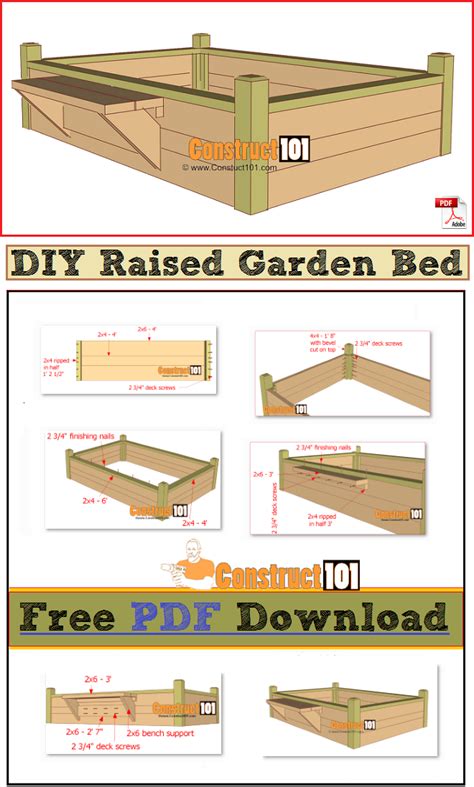
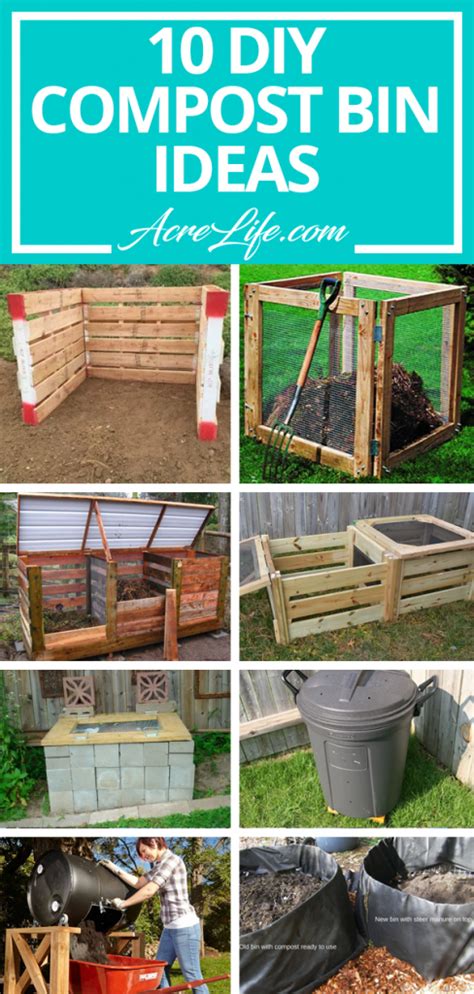
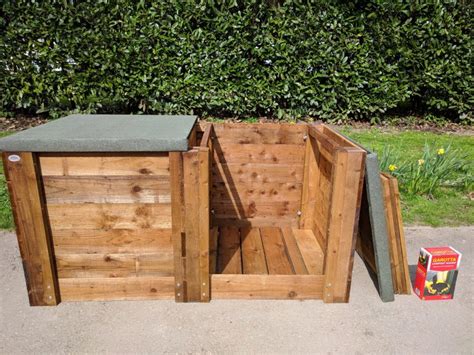
Wood is a classic choice, offering a natural aesthetic that blends well with rural landscapes. For durability, opt for pressure-treated lumber (ensure it’s safe for gardening if it will be in direct contact with edibles, e.g., ACQ treated wood) or naturally rot-resistant species like cedar, redwood, or black locust. These woods resist decay, making them long-lasting outdoors.
- Pros: Sturdy, good insulation, aesthetically pleasing.
- Cons: Can be expensive, may warp or splinter over time, untreated wood rots.
- Critter-Proofing: Construct with tight-fitting panels to eliminate gaps. A solid, heavy lid that can be latched or weighted down is crucial. Burying the base slightly or adding a hardware cloth floor prevents burrowing.
Hardware Cloth (Galvanized Steel Mesh)
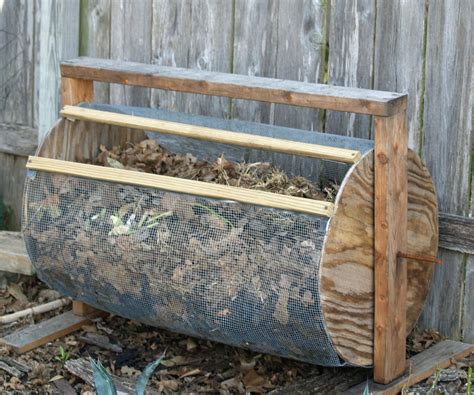
Often overlooked as a primary structural material, hardware cloth is a fantastic critter-proofing liner. It’s a woven galvanized steel mesh, much stronger and finer than chicken wire. Use 1/4-inch or 1/2-inch mesh to stop even the smallest rodents.
- Pros: Excellent airflow, highly effective against rodents and small animals, relatively inexpensive.
- Cons: Less aesthetic on its own, doesn’t retain heat as well, needs a sturdy frame for support.
- Critter-Proofing: Absolutely essential for lining the bottom and sides of bins made from pallets, untreated wood, or open designs. Securely attach it to the frame with screws and washers.
Repurposed Plastic Barrels or Bins
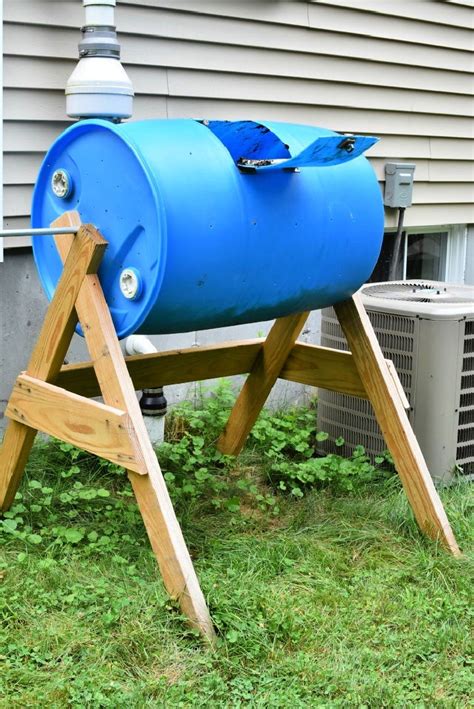
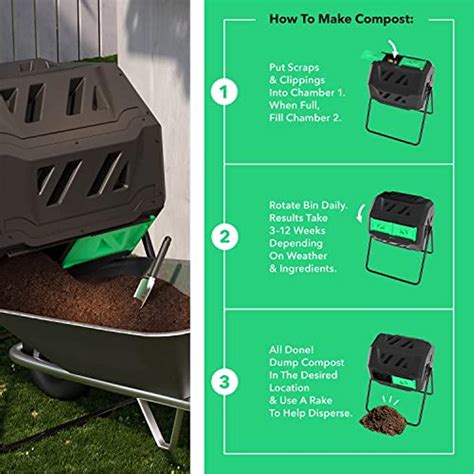
Large, food-grade plastic barrels or industrial bins can be repurposed into effective tumbling or stationary composters. They are inherently weather-resistant and provide a solid barrier.
- Pros: Weatherproof, durable against rot, easy to clean, often inexpensive or free.
- Cons: Can overheat if not properly ventilated, requires drilling many aeration holes, aesthetics may not suit all.
- Critter-Proofing: Solid, non-chewable sides prevent entry. Ensure any access points (lids or doors) are secure and latch tightly. A solid base or elevated stand will deter burrowing.
Concrete Blocks or Stone
For the ultimate in durability and critter resistance, consider a permanent structure made from concrete blocks, bricks, or even natural stone. These materials create a robust, heavy bin.
- Pros: Extremely durable, virtually critter-proof, good thermal mass, very long-lasting.
- Cons: Heavy, permanent, requires more initial effort and skill to build, less flexible.
- Critter-Proofing: The sheer weight and solidity prevent all but the most determined burrowers. A concrete slab base can make it impenetrable from below.
Galvanized Sheet Metal or Corrugated Steel
Galvanized steel is rust-resistant and provides an impenetrable barrier to critters. It can be used for the sides of bins or as a sturdy lid.
- Pros: Very durable, excellent critter barrier, relatively lightweight for its strength.
- Cons: Can get hot in direct sun (potentially drying out the pile), sharp edges if not properly finished, can be noisy in wind.
- Critter-Proofing: Smooth, hard surface is impossible to chew through. Use for sides, bottoms, and secure lids.
Critter-Proofing Strategies Beyond Materials
Even with the best materials, design is key to deterring unwanted guests:
- Secure Lids: Every bin needs a tight-fitting, heavy lid that can be latched or weighted down. Raccoons are remarkably adept at opening things.
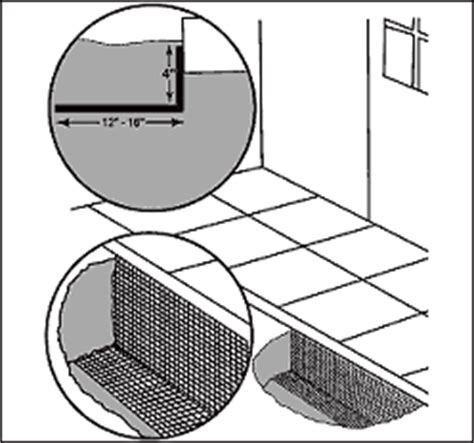
- Solid Bottom/Base: Critters, especially rodents, love to burrow. Line the bottom of your bin with hardware cloth, or place it on a concrete slab or heavy pavers.
- Elevated Bins: For smaller bins, raising them off the ground on sturdy legs can make them less accessible to ground-dwelling pests.
- Location, Location, Location: Place your compost bin a reasonable distance from your home, sheds, or other structures where critters might nest.
- Don’t Compost Attractants: Avoid adding meat, dairy, bones, or oily foods to your outdoor compost, as these are strong attractants for many animals.
Combining Materials for the Ultimate Country Bin
Often, the most effective DIY compost bins combine materials. For instance:
- A sturdy frame made from pressure-treated or cedar wood.
- Lined internally with 1/2-inch galvanized hardware cloth to prevent critter entry.
- A base of buried hardware cloth or a concrete slab.
- A heavy wooden lid secured with a strong latch.
This hybrid approach leverages the strengths of each material, creating a system that is durable, well-ventilated, and virtually impenetrable to common rural pests.
Conclusion
Building a DIY compost bin for country use means prioritizing longevity and security. By carefully selecting durable and critter-resistant materials like treated wood, hardware cloth, concrete blocks, or repurposed plastic, and incorporating smart design choices, you can create a highly effective composting system that serves your garden for years without inviting unwanted wildlife to dinner. Happy composting!