



DIY compost tea recipe for healthier organic garden soil?
Unlock Your Garden’s Potential with Homemade Compost Tea
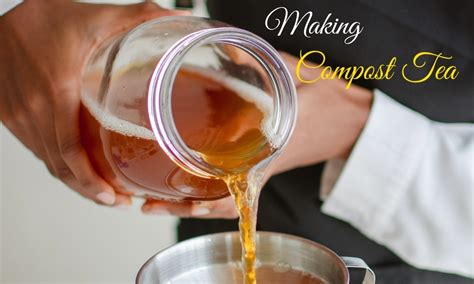
Are you looking for an all-natural, highly effective way to supercharge your organic garden? Look no further than compost tea! This liquid gold is a powerful elixir brewed from finished compost, teeming with beneficial microorganisms and nutrients that can transform your soil and plants. Forget expensive chemical fertilizers; a simple DIY compost tea recipe can give your garden the boost it needs for vibrant growth, stronger disease resistance, and bountiful harvests.
Compost tea acts as a living fertilizer, delivering soluble nutrients directly to your plants while inoculating your soil with a diverse array of microbes – bacteria, fungi, protozoa, and nematodes – that improve soil structure, nutrient cycling, and overall plant health. It’s a sustainable, eco-friendly solution that aligns perfectly with organic gardening principles.
Benefits of Using Compost Tea
Before diving into the recipe, let’s briefly highlight why compost tea is a game-changer for your garden:
- Enhances Nutrient Availability: Makes nutrients in the soil more accessible to plant roots.
- Boosts Plant Growth: Promotes stronger root development, healthier foliage, and increased flowering/fruiting.
- Improves Soil Structure: Microbes help aggregate soil particles, leading to better aeration and water retention.
- Suppresses Pests and Diseases: A healthy microbial population can outcompete and suppress harmful pathogens.
- Reduces Chemical Dependence: A natural alternative to synthetic fertilizers and pesticides.
- Increases Microbial Diversity: Adds a wide range of beneficial organisms to your soil ecosystem.

Your Simple DIY Compost Tea Recipe
Making compost tea doesn’t require fancy equipment, though you can certainly upgrade if you wish. Here’s a basic, effective method to get you started:
What You’ll Need:
- A 5-Gallon Bucket: Clean, food-grade plastic bucket.
- Finished Compost: About 1-2 shovelfuls of good quality, mature compost. It should be dark, crumbly, and smell earthy.
- Unchlorinated Water: Approximately 4 gallons. Tap water can be de-chlorinated by letting it sit out in an open bucket for 24 hours, or use rainwater/well water.
- Brewing Bag (Optional but Recommended): A mesh bag (old pillowcase, burlap, pantyhose) to hold the compost.
- Air Pump and Air Stone (Optional for Aerated Tea): An aquarium air pump with an air stone to keep the mixture oxygenated. This creates ‘aerated compost tea’ which is generally preferred.
- Molasses (Optional): 1-2 tablespoons of unsulphured molasses to feed the bacteria during brewing.
Step-by-Step Brewing Instructions:
- Prepare Your Water: Fill your 5-gallon bucket with about 4 gallons of unchlorinated water. If using tap water, let it sit for 24 hours to off-gas chlorine.
- Add Compost: Place 1-2 shovelfuls of finished compost into your brewing bag. Tie it securely, resembling a large teabag. If you don’t have a bag, you can put the compost directly into the water, but straining will be necessary later.
- Submerge and Sweeten: Drop the compost bag into the water. If using molasses, stir it into the water now.
- Aeration (Highly Recommended): If using an air pump, place the air stone at the bottom of the bucket and turn on the pump. The bubbles will keep the water oxygenated, promoting the growth of beneficial aerobic microbes and preventing anaerobic (often harmful) conditions.
- Brew Time: Let the tea brew for 24-48 hours. During this time, the beneficial microorganisms will multiply rapidly, and nutrients will leach into the water. The tea should have an earthy, pleasant smell. If it smells foul or rotten, something went wrong, and it’s best to discard it.
- Strain (if not using a bag): If you didn’t use a brewing bag, strain the liquid through a fine mesh or cloth to remove solid compost particles.
- Use Immediately: Compost tea is a living product. Its microbial life starts to decline after brewing, so it’s best to use it within 4-6 hours for maximum effectiveness.
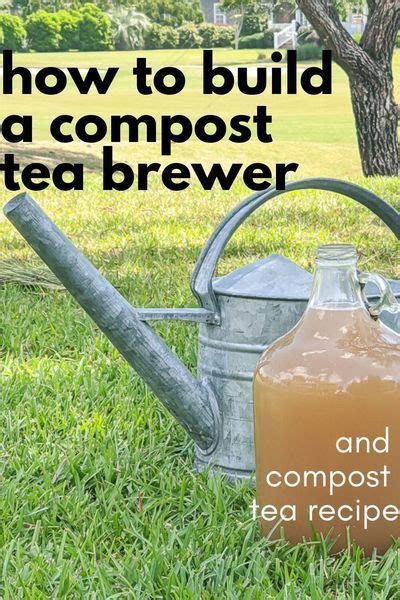
How to Apply Your Compost Tea
Once brewed, your compost tea is ready to nourish your garden. There are two primary methods of application:
1. Soil Drench:
This is the most common method. Dilute the brewed tea with unchlorinated water at a ratio of 1:1 or 1:2 (one part tea to one or two parts water). Pour the diluted tea directly onto the soil around the base of your plants, allowing it to soak into the root zone. This method enriches the soil’s microbial population, improving nutrient uptake and soil structure.
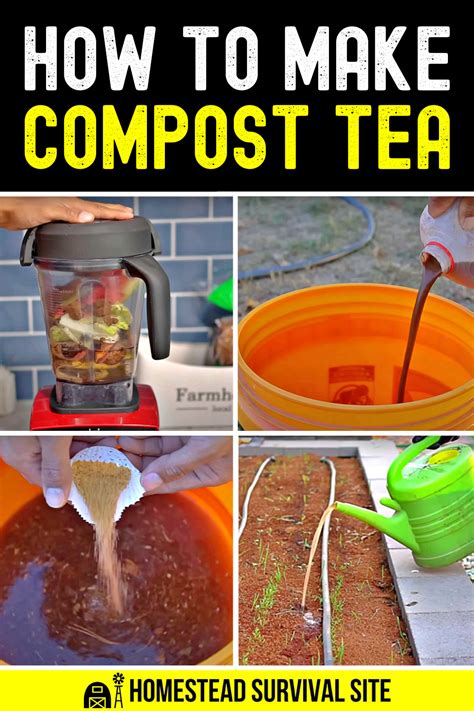
2. Foliar Spray:
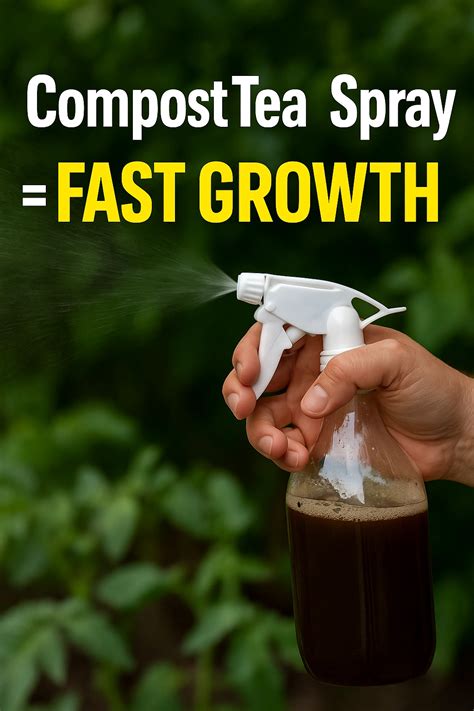
For a direct nutrient boost and disease suppression, you can spray diluted compost tea directly onto plant leaves. Use a finer dilution, such as 1:5 or 1:10 (one part tea to five or ten parts water), and apply it with a spray bottle or pump sprayer. Spray early in the morning or late in the afternoon to avoid rapid evaporation and ensure the microbes have time to establish on the leaf surfaces. Ensure your sprayer is clean and free of chemical residues.
Tips for Best Results
- Quality Compost is Key: The quality of your compost directly impacts the quality of your tea. Use well-rotted, diverse compost.
- Maintain Oxygen: If brewing aerated tea, ensure the air pump is working continuously. Lack of oxygen can lead to anaerobic conditions and potentially harmful bacteria.
- Don’t Over-Brew: Brewing longer than 48 hours, especially without aeration, can deplete oxygen and encourage undesirable microbes.
- Regular Application: For optimal results, apply compost tea every 2-4 weeks throughout the growing season.
- Cleanliness: Always clean your brewing bucket and equipment thoroughly after each use to prevent contamination.
Conclusion
Embracing DIY compost tea is a fantastic step towards a healthier, more vibrant organic garden. It’s a simple, cost-effective, and environmentally friendly way to provide your plants with the vital nutrients and microbial life they need to thrive. By understanding the basics of brewing and application, you can unlock the full potential of your garden soil and enjoy the rewards of robust, resilient plants. Start brewing today and witness the incredible difference in your organic garden!