



DIY cool pantry storage solutions for preserving garden harvest without electricity?

As gardeners, we often find ourselves blessed with an abundant harvest, but the challenge lies in preserving that bounty for months to come, especially without relying on energy-intensive refrigeration. Embracing DIY cool pantry storage solutions not only reduces your carbon footprint but also connects you deeply with time-honored preservation techniques. This guide explores innovative and practical ways to keep your garden’s treasures fresh, flavorful, and ready for enjoyment, all without a single watt of electricity.
Embracing the Root Cellar Concept
The root cellar is perhaps the most iconic non-electric storage solution. Its principle is simple: leverage the earth’s natural coolness and consistent temperature to create an ideal environment for storing root vegetables, fruits, and even some leafy greens. While a traditional dug-out cellar might be a significant project, smaller, above-ground or semi-underground versions can be highly effective. Consider building a simple wooden box insulated with straw and buried into an earth berm or against a north-facing wall. Proper ventilation is key to prevent spoilage, often achieved with simple intake and exhaust pipes.

Transforming Spaces into Cool Pantries
Even if a full root cellar isn’t feasible, you can often adapt existing spaces in your home to create a cool pantry. Look for north-facing rooms, basements, or even a section of a garage that stays consistently cool. The goal is to maintain a temperature between 40-60°F (4-15°C) with moderate humidity. Key elements include good insulation (if needed), passive ventilation to circulate air, and blocking out all light. Simple wooden shelves or sturdy racks can hold your stored goods, keeping them organized and accessible.

Ingenious Sand and Sawdust Storage Boxes
For specific crops like carrots, beets, potatoes, and apples, a simple sand or sawdust box can be incredibly effective. Layer your produce in a sturdy container (like a wooden crate or heavy-duty plastic bin) with damp sand, sawdust, or even peat moss. The medium helps to maintain humidity, preventing wilting and shriveling, while also providing insulation against temperature fluctuations. Ensure the sand or sawdust is just damp, not wet, to avoid mold, and check it periodically for dryness, misting as needed.
The Magic of Evaporative Cooling: Pot-in-Pot Refrigerators
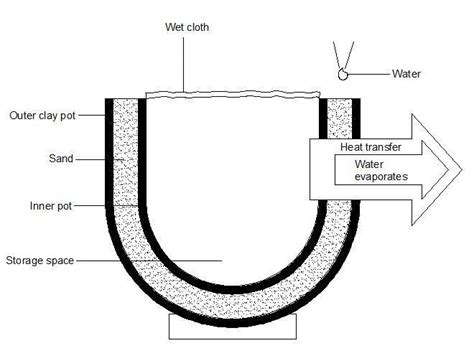
In drier climates, evaporative cooling can offer a surprising amount of temperature reduction. A “pot-in-pot” refrigerator (also known as a Zeer pot) involves placing a smaller unglazed clay pot inside a larger one, with the gap between them filled with sand. Water is added to the sand, and as it evaporates, it draws heat from the inner pot, keeping its contents significantly cooler than the ambient air. This method is excellent for storing fruits, vegetables, and even some dairy items for a few days or weeks.
Optimizing Storage for Canned and Jarred Goods
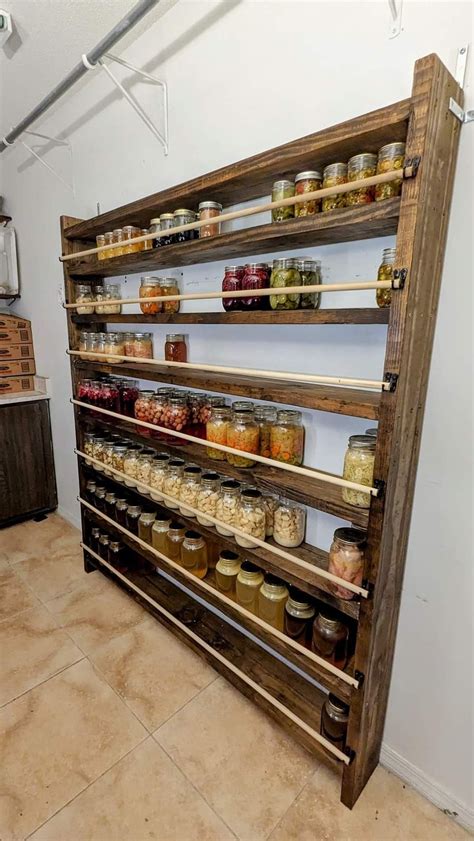
While canning and jarring preserve food through heat processing, their longevity still benefits from proper storage conditions. A cool, dark, and dry environment is crucial for maintaining seal integrity and food quality. Sunlight can degrade nutrients and color, and fluctuating temperatures can compromise seals. Design custom shelving that fits your jars, keeping them off the floor and away from exterior walls. Labeling everything clearly will make future meal prep a breeze.

Hanging Racks and Storage Mounds: Traditional Wisdom
Many traditional methods utilize air circulation and natural insulation. Onions, garlic, and even some herbs can be braided or tied into bunches and hung in a cool, dry, well-ventilated space, such as an attic, shed, or dedicated pantry corner. For squash and pumpkins, a dry, slightly warmer (50-60°F / 10-15°C) spot is ideal, often on shelves or even directly on the floor away from direct light. For long-term outdoor storage of root vegetables, consider creating a simple storage mound or clamp, burying them under layers of straw and soil to protect against frost and pests.

By implementing these non-electric DIY storage solutions, you not only extend the life of your garden’s harvest but also embrace a more sustainable, resilient lifestyle. Each method, from the humble root cellar to the ingenious pot-in-pot cooler, offers a unique way to keep your produce fresh, reduce food waste, and enjoy the fruits of your labor long after the growing season has ended. Start experimenting with these ideas today and transform your approach to food preservation!