DIY methods for preserving garden herbs or vegetables for winter country cooking?
Bringing Your Garden’s Bounty Indoors for Winter
As the growing season winds down, the thought of fresh, homegrown herbs and vegetables can seem like a distant dream. However, with a few simple DIY preservation methods, you can easily extend your garden’s harvest, ensuring a pantry full of flavorful ingredients for comforting winter country cooking. From drying delicate herbs to canning robust vegetables, these techniques allow you to savor the taste of summer long after the first frost.
Drying: A Timeless Preservation Technique
Drying is perhaps the oldest and simplest method for preserving herbs and many vegetables. It removes moisture, preventing spoilage and concentrating flavors. Herbs like oregano, thyme, rosemary, and bay leaves are excellent candidates for air drying. Simply tie small bundles with twine and hang them in a warm, dry, well-ventilated area away from direct sunlight. Once brittle, strip the leaves from the stems and store them in airtight containers.
For vegetables such as tomatoes, peppers, or even thinly sliced carrots, a food dehydrator offers a controlled environment for even drying. Alternatively, a low oven setting (around 130-150°F or 55-65°C) with the door slightly ajar can work, though it requires more vigilance to prevent overcooking. Dried produce can be stored in airtight jars for months, ready to rehydrate in soups, stews, or sauces.

Freezing: Capturing Freshness at its Peak
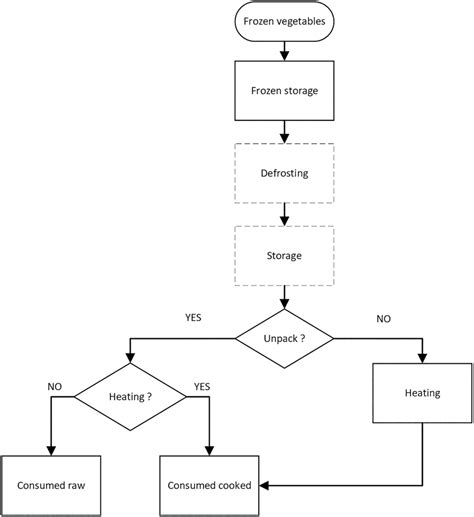
Freezing is an excellent method for preserving the vibrant color and fresh taste of many vegetables and some herbs. For most vegetables, blanching them briefly in boiling water and then immediately plunging them into ice water (to stop the cooking process) is crucial before freezing. This helps retain their texture, color, and nutritional value. Examples include green beans, corn, peas, and broccoli. Once blanched and cooled, pat them dry and freeze in single layers on baking sheets before transferring to freezer bags to prevent clumping.
Herbs like parsley, cilantro, dill, and basil freeze beautifully. You can chop them finely and freeze them in ice cube trays with a little water or olive oil. Once frozen, pop out the cubes and store them in freezer bags. These herb cubes are perfect for tossing directly into your winter soups, stews, or pasta sauces, infusing them with garden-fresh flavor.
Canning & Pickling: Jars of Preserved Goodness
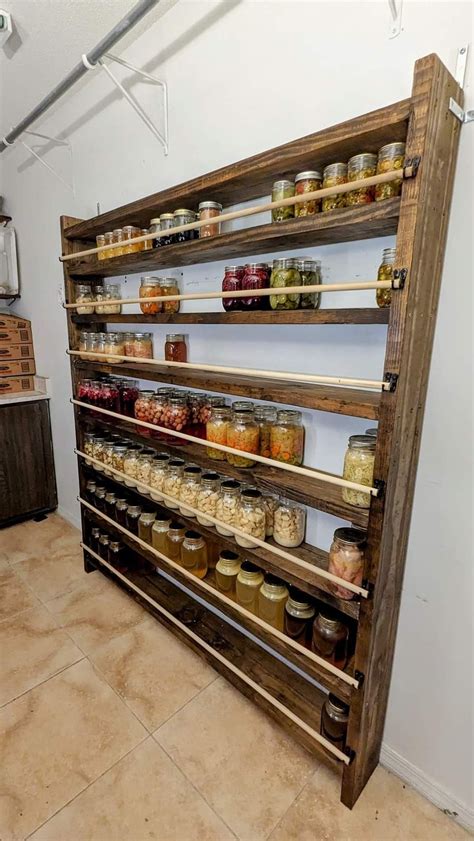
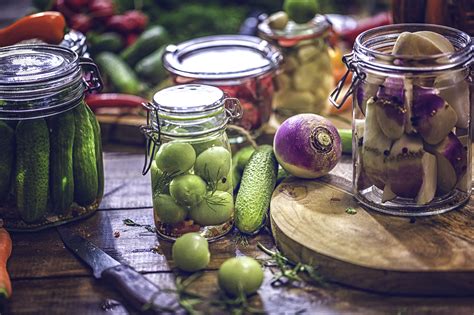
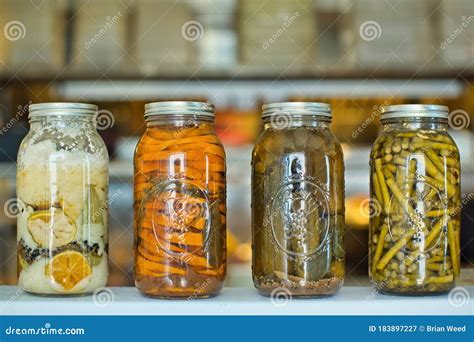
Canning allows you to create shelf-stable jars of your favorite garden produce, perfect for those long winter months. Water bath canning is suitable for high-acid foods like tomatoes, most fruits, and pickled vegetables. Think homemade salsa, tomato sauce, or crisp dill pickles. Always follow tested recipes from reliable sources to ensure safety and proper preservation.
For low-acid vegetables, such as green beans, corn, or carrots, pressure canning is necessary. This method reaches higher temperatures to kill botulism spores, which can thrive in low-acid, oxygen-free environments. While requiring a bit more specialized equipment and attention, the rewards are jars of wholesome, ready-to-eat vegetables that can elevate any winter meal.
Infusing Oils and Vinegars with Herbal Aromas
For a touch of gourmet flavor, consider infusing oils and vinegars with your garden herbs. Herb-infused vinegars are simple to make and add a wonderful dimension to salad dressings, marinades, or sauces. Simply fill a clean jar with fresh, thoroughly dried herbs (like rosemary, thyme, or oregano) and cover with a good quality vinegar (white wine, red wine, or apple cider vinegar). Let it steep in a cool, dark place for 2-4 weeks, then strain and bottle.
Infused oils can also be made, but extreme caution must be exercised, especially when using fresh herbs, due to the risk of botulism. For safety, it’s generally recommended to make small batches for immediate use or to use dried herbs. Alternatively, consider making flavored compound butters with fresh herbs, which can be frozen for later use.
Root Cellaring and Cool Storage: Nature’s Refrigerator
For certain sturdy vegetables, a cool, dark, and moderately humid environment can act as a natural refrigerator, extending their usability for months. This method is ideal for root vegetables like potatoes, carrots, beets, and parsnips, as well as onions, garlic, and winter squash. A traditional root cellar, an unheated basement corner, or even a cool closet can serve the purpose.
Ensure vegetables are free of blemishes and dirt before storing. Potatoes and squash prefer slightly warmer, drier conditions than carrots and beets. Proper air circulation and consistent temperature are key to preventing spoilage. Regularly check stored produce and remove any that show signs of decay to protect the rest of your stash.

Enjoying Your Winter Bounty
Preserving your garden’s herbs and vegetables is a deeply satisfying process that not only saves money but also connects you to the rhythms of nature. Imagine pulling a jar of sun-ripened tomato sauce from your pantry or adding a handful of homegrown dried oregano to a hearty winter stew. These DIY methods transform a seasonal harvest into a year-round culinary delight, bringing the warmth and flavors of your garden into your country kitchen, no matter how cold it gets outside.