

DIY natural weed control for a large organic vegetable garden bed?
Embracing Chemical-Free Weed Management in Your Large Organic Garden
Maintaining a large organic vegetable garden bed is a rewarding endeavor, but it often comes with the challenge of managing weeds. The commitment to organic principles means steering clear of synthetic herbicides, requiring a different, more holistic approach. Fortunately, there are numerous effective, natural, and DIY strategies to keep your garden bed thriving and weed-free.
The key to successful natural weed control lies in prevention, vigilance, and understanding your garden’s ecosystem. By implementing a combination of techniques, you can minimize weed growth and spend more time enjoying your harvest.
Prevention: The First Line of Defense
The best weed control is prevention. By proactively creating an environment hostile to weeds and favorable to your vegetables, you can significantly reduce their presence.
Mulching: Your Garden’s Best Friend
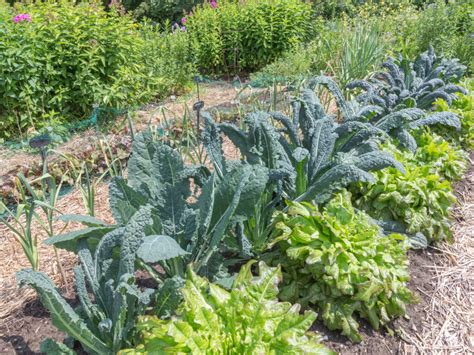
Mulch is arguably the most effective natural weed control strategy. A thick layer of organic mulch smothers existing small weeds and prevents new weed seeds from germinating by blocking sunlight. It also retains soil moisture, regulates soil temperature, and enriches the soil as it breaks down.
- Organic Materials: Use straw, shredded leaves, wood chips (for paths, not necessarily in direct contact with young vegetable plants), grass clippings (thin layers only to avoid matting), or compost.
- Application: Apply a layer 2-4 inches deep, leaving a small space around the base of vegetable plants to prevent rot.
Proper Plant Spacing and Companion Planting
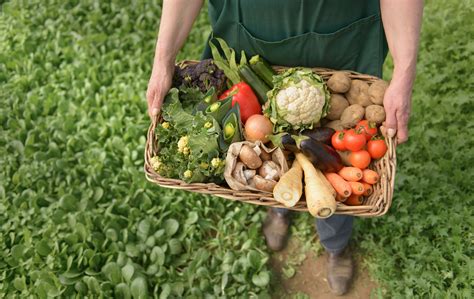
When vegetables are planted at their optimal spacing, they quickly grow to fill the available space, shading out potential weeds. Dense canopy coverage inhibits weed seed germination. Additionally, some companion plants can naturally deter weeds or outcompete them. For example, planting low-growing crops around taller ones can help suppress weeds.
Cover Crops and Green Manures
In sections of your large garden that are temporarily out of production, planting cover crops (like clover, vetch, or buckwheat) can be incredibly beneficial. They suppress weeds by competing for light and nutrients, improve soil structure, and add organic matter when tilled under. This is an excellent long-term strategy for soil health and weed suppression.
Active Weed Management Strategies
Despite the best preventative measures, some weeds will inevitably appear. Active management techniques are crucial for tackling these.
Manual Weeding and Hoeing
The simplest and most direct method is hand-pulling or using weeding tools. This is most effective when weeds are young and the soil is moist. For a large garden, investing in quality tools can make a significant difference:
- Hula-Hoes (Stirrup Hoes): Excellent for cultivating shallowly and slicing weeds just below the soil surface without disturbing vegetable roots.
- Dutch Hoes: Good for pushing and pulling to cut weeds.
- Hand Weeders: Tools like fishtail weeders or dandelion diggers are effective for tap-rooted weeds.
Regular, short weeding sessions are more effective than infrequent, long ones. Catch weeds before they go to seed!

Smothering with Cardboard or Newspaper
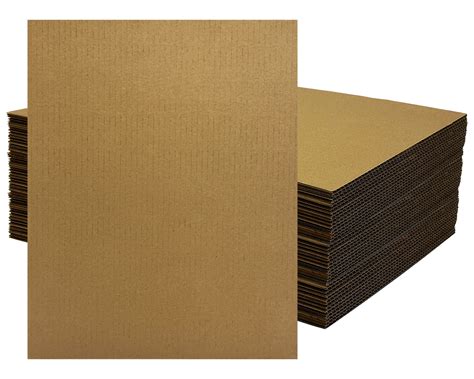
For particularly stubborn patches or when preparing new beds, a ‘lasagna gardening’ approach using cardboard or newspaper can be highly effective. Lay down a thick layer of wet cardboard or 4-6 sheets of wet newspaper directly over the weeded area. Cover this with a layer of compost, mulch, or other organic matter. This suffocates weeds by blocking light and airflow, and the materials will eventually break down, enriching the soil.
Targeted Natural Solutions (Use with Caution)
While most natural solutions are about prevention and physical removal, a few targeted applications can help, but they require careful use to avoid harming your desired plants.
Vinegar Solutions
Horticultural vinegar (acetic acid, usually 10-20%) can be used as a contact herbicide to kill young, tender weeds. It works by drawing moisture out of plant tissues, causing them to wilt and die. However:
- Non-Selective: It will kill any plant it touches, including your vegetables. Use as a spot treatment only, carefully applying with a spray bottle or brush on calm, windless days.
- Soil pH: Can temporarily lower soil pH. Repeated use in the same spot should be done cautiously.
Hot Water or Flame Weeding
Boiling water can kill weeds instantly by scalding them. It’s effective for weeds in cracks or pathways, but less practical and potentially damaging to soil microbiology in a large vegetable bed. Flame weeding can kill weeds quickly but should be used with extreme caution to prevent fires and avoid damaging the soil or nearby plants. These methods are generally less recommended for the main organic vegetable beds due to potential collateral damage to beneficial soil life.

Long-Term Soil Health for Weed Suppression
A healthy, vibrant soil ecosystem is naturally more resistant to weed invasions. Focusing on improving your soil over time will make weed control easier.
- Composting: Regularly incorporate finished compost into your beds. Healthy soil promotes strong plant growth, allowing vegetables to outcompete weeds.
- Crop Rotation: Rotating your vegetable crops annually can disrupt weed cycles specific to certain crops and improve overall soil health.
- Minimal Tillage: Excessive tilling can bring dormant weed seeds to the surface, encouraging germination. Practice no-till or minimal-till gardening where possible.
Consistency is Key
No single method will eradicate weeds entirely from a large organic garden. The most effective approach is a consistent combination of preventative measures and active management. Dedicate a short amount of time each day or week to patrolling your garden, addressing small weed issues before they become large problems. With dedication and the right strategies, you can maintain a beautiful, productive, and naturally weed-free organic vegetable garden bed.