
DIY organic pest remedies for common garden edibles?
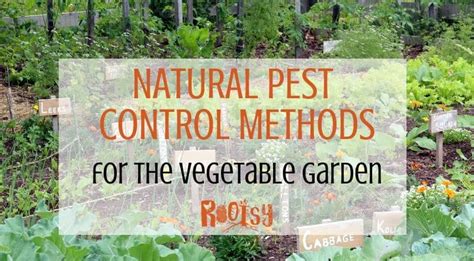
Nurturing an edible garden is a truly rewarding experience, offering fresh, nutritious produce right at your fingertips. However, it’s almost inevitable that uninvited guests, from aphids to slugs, will try to share your bounty. Rather than reaching for harsh chemical pesticides that can harm your plants, the environment, and your family’s health, a wealth of effective, organic remedies can keep your garden thriving naturally.

The Foundation of Organic Pest Control
Before diving into specific remedies, it’s crucial to understand that prevention is the cornerstone of organic pest management. A healthy, diverse garden ecosystem is naturally more resistant to pest outbreaks.
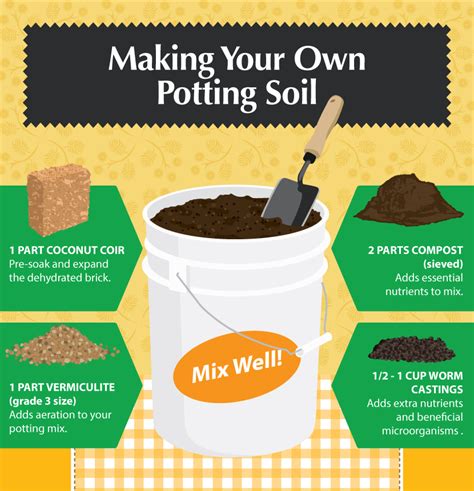
- Healthy Soil: Strong plants start with nutrient-rich soil. Amend your soil with compost to foster robust growth.
- Companion Planting: Certain plants naturally repel pests or attract beneficial insects. For example, marigolds can deter nematodes, and nasturtiums can act as a trap crop for aphids.
- Crop Rotation: Avoid planting the same crop in the same spot year after year to break pest life cycles and prevent soil-borne diseases.
- Regular Inspection: Catching pests early is vital. Inspect your plants frequently, paying close attention to the undersides of leaves.

Common Pests and Their Organic Fixes
Aphids
These tiny, soft-bodied insects cluster on new growth, sucking sap and often leaving behind sticky ‘honeydew’.
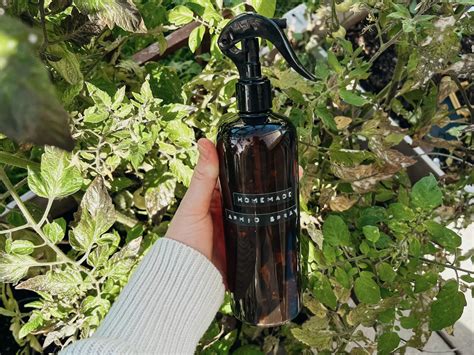
- Insecticidal Soap Spray: Mix 1-2 tablespoons of mild liquid dish soap (avoid detergents with degreasers) with 1 liter of water. Spray directly onto aphids, ensuring good coverage, especially on undersides of leaves. The soap suffocates them. Repeat every 5-7 days until the problem subsides.
- Neem Oil: A natural pesticide derived from the neem tree, it disrupts insect growth and feeding. Follow product instructions for dilution and application.
- Strong Water Spray: A forceful jet of water can knock aphids off plants, though they may return.
Slugs & Snails
These nocturnal munchers can decimate seedlings and leafy greens overnight.
- Diatomaceous Earth (DE): Sprinkle a barrier of food-grade DE around susceptible plants. Its sharp microscopic edges cut and dehydrate slugs and snails. Reapply after rain.
- Beer Traps: Bury shallow dishes (like tuna cans) up to their rim near affected plants and fill with beer. Slugs and snails are attracted to the yeast, fall in, and drown.
- Hand-Picking: Go out at dusk or dawn with a flashlight and simply pick them off, then drop them into soapy water.
Caterpillars & Cabbage Worms
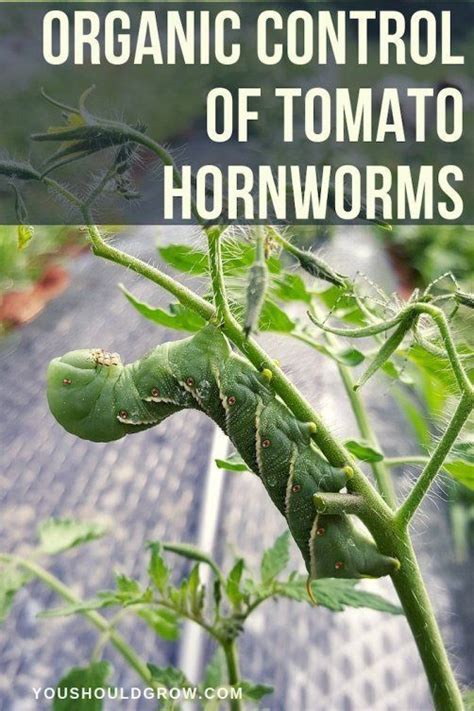
Many caterpillars, especially the green cabbage worms (larvae of the Cabbage White butterfly), can chew large holes in leaves.
- Hand-Picking: Check the undersides of leaves and remove caterpillars by hand.
- Row Covers: Physically block pests from reaching plants by covering them with lightweight garden fabric (row covers) from planting until harvest.
- Bacillus thuringiensis (Bt): This naturally occurring bacterium is specific to caterpillars. When ingested, it paralyzes their digestive system. It’s safe for humans and beneficial insects.
Spider Mites
Tiny arachnids that cause stippling on leaves and can create fine webbing.
- Water Spray: A strong spray of water can dislodge spider mites.
- Insecticidal Soap: Similar to aphid control, insecticidal soap can effectively smother spider mites.
- Increase Humidity: Spider mites thrive in dry conditions. Misting plants can sometimes deter them.
DIY Remedy Recipes for Your Arsenal
Garlic Spray (General Repellent)
Garlic’s strong scent can deter a wide range of pests.
Ingredients: 2 whole heads of garlic, 1 liter of water, 1 tablespoon liquid dish soap.
Instructions: Blend garlic with a small amount of water until pureed. Strain the mixture through cheesecloth. Dilute the garlic liquid with the remaining water, then add the dish soap. Spray thoroughly on affected plants, especially during active pest periods.
Chili Pepper Spray (Irritant)
Capsaicin in chili peppers can irritate and deter soft-bodied insects.
Ingredients: 10-15 hot chili peppers (e.g., habanero, cayenne), 1 liter of water, 1 tablespoon liquid dish soap.
Instructions: Roughly chop the chili peppers (wear gloves!). Boil them in water for 15-20 minutes, then let steep overnight. Strain the mixture, then add the dish soap. Use with caution; test on a small leaf first. Avoid spraying on windy days and protect your eyes and skin.
Best Practices for Success
- Consistency: Organic remedies often require more frequent application than chemical counterparts. Stick to a regular schedule.
- Identify the Pest: Knowing your enemy helps you choose the most effective remedy.
- Test First: Always test any new spray on a small part of the plant and wait 24 hours to ensure there’s no adverse reaction before full application.
- Spray in the Evening: This reduces the risk of burning leaves (especially with oil-based sprays) and allows the remedy to work overnight before the heat of the day.
- Support Beneficials: Encourage ladybugs, lacewings, and predatory wasps by planting flowers that provide nectar and pollen.
Embracing organic pest control is a journey, not a destination. It requires observation, patience, and a willingness to learn from your garden. By using these DIY remedies, you’ll not only protect your edibles but also foster a healthier, more vibrant ecosystem in your backyard.