




DIY plans: Best natural pest-proofing for raised garden beds?
Keeping Pests at Bay: Your Guide to Natural Protection
Raised garden beds offer numerous benefits, from better soil control to easier accessibility. However, like any garden, they’re not immune to unwelcome visitors. The good news is that you don’t need harsh chemicals to protect your precious plants. With a little planning and some clever DIY strategies, you can create a thriving, pest-resistant haven using natural, eco-friendly methods.
Embracing natural pest-proofing not only safeguards your harvest but also promotes a healthier ecosystem in your backyard. Let’s explore the best ways to keep those garden invaders out!
Fortifying Your Beds: Physical Barriers
The simplest and often most effective way to prevent pests is to physically block their access. These DIY solutions can be integrated seamlessly into your raised bed design.
-
Row Covers and Netting
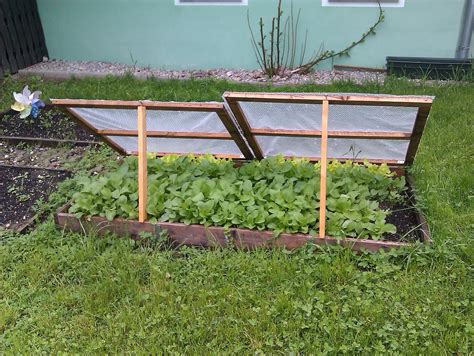
Lightweight row covers, made from fine mesh or spun-bond polyester, can be draped over hoops or a simple frame above your raised beds. These act as an impenetrable barrier against flying insects like cabbage moths, carrot rust flies, and squash bugs, while still allowing sunlight and water to pass through. Ensure the edges are securely anchored to the ground or the bed frame to prevent pests from crawling underneath.
-
Copper Tape for Slugs and Snails
Slugs and snails are notorious for munching on tender seedlings. A simple strip of copper tape applied around the top edge of your raised bed acts as an electrical deterrent. When a slug or snail attempts to cross the copper, it experiences a mild, harmless electric shock, causing it to turn back.
-
Fencing and Hardware Cloth
For larger pests like rabbits, squirrels, or even deer, a physical fence around or over your raised beds is essential. Hardware cloth (a fine-mesh wire screen) can be used to line the bottom of your raised bed to deter burrowing rodents like voles and gophers. Extend it a few inches above ground level to prevent surface-level digging.

The Power of Plants: Companion Planting
Nature provides its own pest control in the form of certain plants that can deter insects or attract beneficial predators. This ancient gardening technique is both beautiful and effective.
-
Repellent Plants
Many herbs and flowers emit scents that pests find repulsive. Planting these strategically among your vegetables can create a natural protective shield:
- Marigolds: Known to deter nematodes and various other garden pests.
- Nasturtiums: Act as a trap crop for aphids, drawing them away from your main crops.
- Garlic and Onions: Their strong scent deters aphids, slugs, and borers.
- Mint: Can repel ants, aphids, and flea beetles (plant in containers to prevent it from spreading aggressively).
- Basil: Helps repel flies and mosquitoes, and is thought to improve tomato flavor.
-
Attracting Beneficial Insects
Some plants attract predatory insects like ladybugs, lacewings, and hoverflies, which feast on common garden pests such as aphids, mites, and scale insects. Include plants like dill, fennel, cilantro, cosmos, and sunflowers to invite these helpful allies into your garden.

DIY Solutions & Good Garden Practices
Beyond barriers and companion plants, proactive maintenance and homemade remedies can significantly reduce pest problems.
-
Homemade Insecticidal Sprays
Simple solutions can often tackle minor infestations. A spray made from mild dish soap and water can suffocate soft-bodied insects like aphids and spider mites. Neem oil, derived from the neem tree, is another excellent organic option that acts as an anti-feedant and growth disruptor for many pests, while generally being safe for beneficial insects.
-
Crop Rotation
Even in a raised bed, rotating your crops annually can disrupt pest life cycles. Pests often specialize in certain plants, and by moving those plants to a different area each season, you confuse the pests and prevent them from building up large populations.
-
Regular Inspection and Hand-Picking
The most basic, yet highly effective, method is daily observation. Check the undersides of leaves, new growth, and stems for any signs of pests. Catching infestations early allows you to hand-pick larger pests or rinse off smaller ones with a strong spray of water before they become a major problem.

Conclusion: A Proactive and Diverse Approach
Natural pest-proofing for your raised garden beds is an ongoing process that benefits from a diverse strategy. By combining physical barriers, strategic companion planting, diligent observation, and homemade remedies, you can create a robust defense against pests. This holistic approach not only protects your plants but also fosters a healthier, more vibrant garden ecosystem where both your plants and beneficial creatures can thrive. Stay observant, be consistent, and enjoy the fruits (and vegetables!) of your naturally protected raised garden bed.