DIY plans for a sturdy, predator-proof chicken coop for backyard layers?

Why a Sturdy, Predator-Proof Coop Matters
For any backyard chicken keeper, the safety and well-being of their flock are paramount. A well-built, predator-proof chicken coop isn’t just a convenience; it’s a necessity. From cunning raccoons and sly foxes to airborne hawks and persistent weasels, a myriad of threats can turn a peaceful flock into an easy meal. Investing time in constructing a robust coop provides peace of mind, protects your hens from the elements, and ensures a consistent supply of fresh eggs.
This guide will walk you through essential considerations and practical steps to design and build a coop that stands strong against both nature’s challenges and determined predators.
Essential Design Principles for Your DIY Coop
1. Size and Space
Ensure your coop offers adequate space for your flock. A general rule of thumb is 2-4 square feet per standard-sized chicken inside the coop and 8-10 square feet per chicken in an attached run. Overcrowding leads to stress, pecking, and disease. Consider your flock’s current size and potential future growth.
2. Ventilation and Climate Control
Proper ventilation is crucial for air quality, preventing respiratory issues, and regulating temperature. Install high vents (hardware cloth covered, of course) that allow hot, humid air to escape without creating drafts directly on the roosting birds. In colder climates, ensure vents can be partially closed or baffled to prevent excessive heat loss while still allowing some airflow.
3. Easy Access for You, No Access for Predators
Design the coop with human access in mind for cleaning, egg collection, and daily care. Large doors for entry, exterior access to nesting boxes, and removable roosts simplify maintenance. Crucially, every access point must have secure, predator-proof latches – think barrel bolts, carabiners, or multiple hook-and-eye closures.
Materials for Durability and Security
Choosing the right materials is fundamental to building a lasting and predator-proof coop:
- Framing: Pressure-treated lumber (2x4s or 4x4s) for the base and untreated lumber for the upper structure provides strength and rot resistance where it’s most needed.
- Siding: Plywood, T1-11, or reclaimed wood planks can work, as long as gaps are sealed.
- Roofing: Metal roofing, asphalt shingles, or polycarbonate panels offer weather protection. Ensure overhangs to protect walls.
- Hardware Cloth (Not Chicken Wire!): This is your primary defense. Use 1/2-inch or 1/4-inch galvanized hardware cloth for all openings and the run. Chicken wire is designed to keep chickens in, not predators out. Raccoons can easily tear through it.
- Foundation: Concrete blocks, gravel, or a poured concrete slab can provide a stable, level base and deter digging predators.

Building Your Predator-Proof Fortress: Key Steps
1. Foundation and Framing
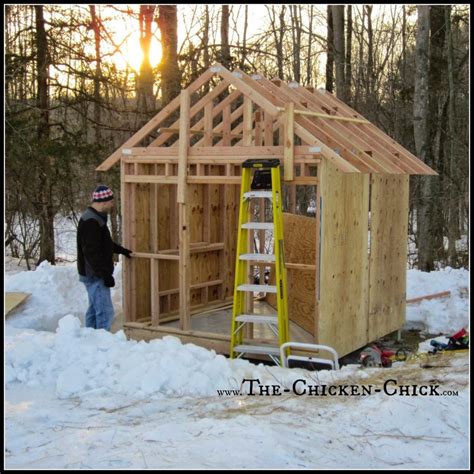
Start with a solid, level foundation. Use pressure-treated lumber for the base frame to prevent rot. Construct the wall frames, ensuring they are square and plumb. Anchor the coop securely to the ground to prevent tipping or predators from lifting it.
2. Walls and Roof
Install your chosen siding, ensuring all seams are tight. For the roof, construct a sturdy frame with a slight pitch to allow water runoff. Attach your roofing material, ensuring it’s securely fastened and watertight.
3. The Imperative of Hardware Cloth
This step is non-negotiable for predator proofing. Cover all windows, vents, and any openings with heavy-gauge 1/2-inch or 1/4-inch hardware cloth. Staple it every 2-3 inches, then use wood furring strips or trim over the edges to ensure it’s impossible to pry off. For extra security against digging predators, create a “hardware cloth skirt” extending at least 12-18 inches horizontally outward from the coop base and bury it 6-12 inches deep.

4. Secure Doors and Latches
Every door, pop door, and access panel must have robust, multiple-point locking mechanisms. Use heavy-duty hinges that cannot be easily unscrewed from the outside. Barrel bolts, slide latches with additional clips, or combination locks are ideal. Remember, raccoons are dexterous – a single hook-and-eye is not enough.
5. Interior Features: Roosts and Nesting Boxes
Inside the coop, install roosting bars (2x2s or branches) above the floor, allowing at least 8-10 inches of linear space per chicken. Provide one nesting box for every 3-4 hens. Ensure nesting boxes are dark, quiet, and easily accessible for egg collection (ideally from outside the coop).

Connecting to a Secure Run
If your coop includes an attached run, ensure it’s also fully enclosed with hardware cloth, including the roof. Bury a hardware cloth skirt around the perimeter of the run as well. Predators can and will dig under an open-bottomed run.
Ongoing Maintenance for Security
Regularly inspect your coop for any signs of wear, tear, or attempted breaches. Check for loose hardware cloth, compromised latches, or weakened wood. Promptly repair any damage to maintain the coop’s integrity.
Conclusion
Building a sturdy, predator-proof chicken coop is a rewarding DIY project that ensures the longevity and happiness of your backyard flock. By prioritizing strong materials, meticulous construction, and vigilant predator-proofing techniques, you can create a safe haven that protects your layers for years to come, letting you enjoy the many benefits of fresh, homegrown eggs without worry.