DIY plans for durable, rustic canning shelves to organize your homemade pantry?

Embrace Homestead Charm with DIY Canning Shelves
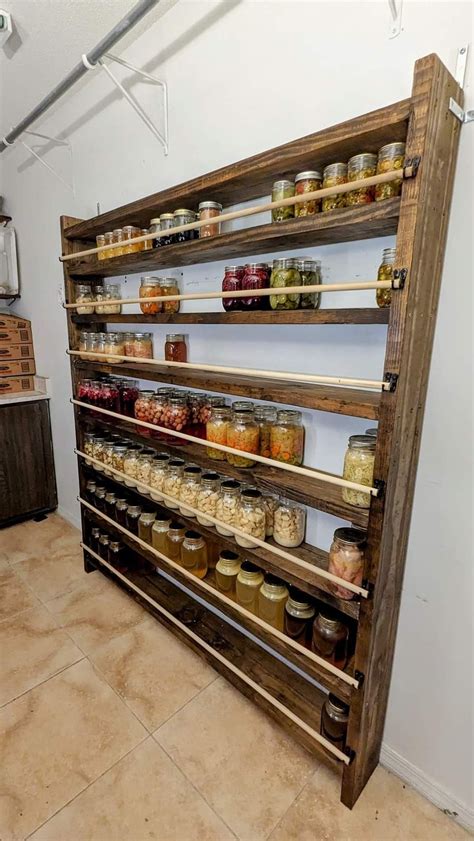
There’s a unique satisfaction that comes with a pantry stocked with homemade jams, pickled vegetables, and canned fruits. But showcasing and organizing these culinary treasures requires more than just any shelf – it demands sturdy, durable, and aesthetically pleasing storage. This guide provides comprehensive DIY plans for constructing rustic canning shelves that will not only withstand the weight of countless jars but also add a touch of timeless charm to your homemade pantry.
Forget flimsy particleboard or sterile metal racks. Building your own shelves allows for customization, ensuring a perfect fit for your space and a style that complements your home. The rustic approach emphasizes natural materials, robust construction, and a charming, unpolished finish that speaks to the heart of homesteading.
Why Build Your Own Rustic Canning Shelves?
Opting for a DIY approach offers numerous advantages. Firstly, durability is paramount when storing heavy glass jars. Custom-built wooden shelves, when constructed properly, far surpass the strength of most off-the-shelf options. Secondly, the rustic aesthetic seamlessly blends with a homemade pantry, adding character and warmth. Finally, it’s a cost-effective solution, often saving money compared to purchasing high-quality, pre-made units, while also giving you the satisfaction of a project completed with your own hands.
Planning Your Canning Shelf Project
Before cutting any wood, thoughtful planning is key. Start by measuring your available space carefully – width, height, and depth. Consider the types and sizes of jars you’ll be storing most frequently. Standard quart jars typically need about 8-9 inches of vertical clearance, while pint jars can manage with slightly less. Deeper shelves (10-12 inches) are generally ideal for holding two rows of jars, maximizing space efficiency.
Choose your wood wisely. Pine is a popular, affordable, and easy-to-work-with option. For added durability and a more pronounced grain, consider oak or reclaimed barn wood, which naturally lend themselves to a rustic look. Ensure your lumber is straight and free of significant warps or knots that could compromise strength.
Gathering Your Tools & Materials
A successful build starts with having the right equipment. Here’s a basic list of what you’ll need:
- Tools: Measuring tape, pencil, speed square, circular saw or miter saw, drill/driver, wood clamps, level, orbital sander, safety glasses, hearing protection.
- Materials: Lumber (e.g., 2x4s for uprights, 1x10s or 1x12s for shelves), 2.5-inch wood screws, wood glue, optional: wood stain or paint, polyurethane or tung oil finish, sandpaper (various grits).
Step-by-Step Construction Guide
Follow these steps to build your sturdy rustic canning shelves:
- Cut Your Lumber: Based on your measurements, cut your uprights (vertical supports) to the desired height. Then cut your shelf pieces to the desired width. You’ll also need smaller pieces for cross-bracing if your design requires it.
- Assemble the Sides: Lay two uprights parallel on a flat surface. Mark the desired heights for each shelf. Apply wood glue to the ends of your short cross-pieces (these will support the front and back of each shelf) and attach them between the uprights with screws, pre-drilling pilot holes to prevent splitting. Repeat for the other side of your shelving unit.
- Attach the Shelves: Connect the two assembled sides by attaching the long shelf boards. Apply wood glue to the support pieces on the side frames, then place your shelf board on top and secure it with screws from the top down into the supports. Ensure each shelf is level as you attach it.
- Add Bracing (Optional but Recommended): For maximum stability, especially for heavy loads, consider adding diagonal bracing on the back of the unit. This prevents racking (the shelf leaning to one side).
- Sand Smooth: Once assembled, sand all surfaces, starting with a coarser grit (80-100) and moving to a finer grit (180-220). This prepares the wood for finishing and prevents splinters.
Adding the Rustic Finish
The finishing touches bring out the rustic character of your shelves. You can apply a natural tung oil for a food-safe, matte finish that highlights the wood grain. Alternatively, a dark wood stain can deepen the color and enhance the rustic feel. For a truly aged look, consider distressing the wood slightly before staining by gently tapping it with a hammer or dragging chains across its surface.
Once stained (if desired) and completely dry, apply several coats of a durable sealant like polyurethane or spar varnish, especially if the shelves will be in a damp environment like a basement. This protects the wood from moisture and makes it easy to clean.

Organizing Your Harvest
With your new, sturdy, and beautiful rustic shelves complete, it’s time for the gratifying task of organizing your pantry. Arrange your canning jars by type, date, or color for both functionality and visual appeal. Clear labeling is essential for quick identification. Your homemade pantry will not only be perfectly organized but will also serve as a beautiful testament to your hard work and self-sufficiency.

Conclusion
Building your own durable, rustic canning shelves is a rewarding DIY project that significantly enhances the functionality and aesthetics of your homemade pantry. With careful planning, quality materials, and a little elbow grease, you’ll create a storage solution that proudly displays your preserves for years to come, embodying the true spirit of a well-stocked and charming homestead.