DIY root cellar alternatives for storing winter vegetables?
Beyond the Traditional Root Cellar
For many country dwellers and garden enthusiasts, a bountiful harvest signals the start of a new challenge: how to store all that produce through the cold winter months. While a traditional root cellar offers ideal conditions for long-term storage, building one can be a significant undertaking, requiring specific site conditions, construction skills, and an investment of time and money. Fortunately, you don’t need a dedicated underground structure to preserve your winter vegetables effectively. Many ingenious and low-cost DIY alternatives can mimic the cool, dark, and humid conditions that root crops, apples, and other hardy produce thrive in.
These alternatives leverage existing spaces or simple constructions to create microclimates perfect for extending the shelf life of your harvest. From buried containers to clever uses of unheated rooms, let’s explore practical ways to keep your winter bounty fresh and accessible without a custom-built root cellar.

1. The Buried Bin or Trash Can
One of the simplest and most effective alternatives mimics the conditions of a true root cellar by utilizing the earth’s natural insulation. A sturdy, rodent-proof plastic bin, an old chest freezer (without power), or even a clean metal trash can can be buried in a well-drained spot in your yard. Dig a hole large enough to accommodate your container, ensuring it’s deep enough so that the top is just below or at ground level.
- Preparation: Drill drainage holes in the bottom of your container if it’s not breathable. Place a layer of gravel at the bottom of the hole for drainage.
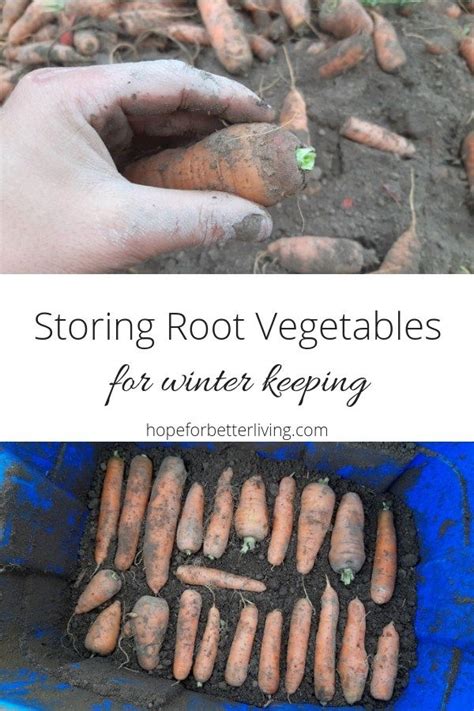
- Placement: Line the container with straw, sand, or sawdust. Store root vegetables like carrots, beets, and potatoes layered with more insulating material. Apples can also be stored this way, wrapped individually.
- Covering: Cover the top of the container with a thick layer of straw, old blankets, or an insulated lid to prevent freezing and keep pests out. You can also place a wooden pallet over the top, then cover it with soil and straw.
- Location: Choose a spot that isn’t prone to water pooling. A slight slope can be ideal for drainage.

2. Utilizing Existing Cool, Dark Spaces
Sometimes, the best solution is already within your home or property. Many residences have areas that naturally maintain the cool, consistent temperatures needed for vegetable storage.
- Unheated Basement or Cellar: If you have an unheated basement or a small, unused utility room that stays cool and dark, it can serve as an excellent storage spot. Aim for temperatures between 35-50°F (2-10°C) and moderate to high humidity. Store potatoes, onions, garlic, squash, and pumpkins on shelves or in breathable crates. Keep onions and potatoes separate, as the ethylene gas from potatoes can cause onions to sprout faster.
- Unheated Garage or Shed: A garage or shed that doesn’t freeze solid can also work. Protect vegetables from rodents by using secure containers. Insulate bins with straw or old blankets during extreme cold snaps. This space is often good for squash, pumpkins, and even cabbage.
- Cool Pantry or Closet: For smaller quantities or specific items, a rarely-opened pantry or an interior closet that stays consistently cool can be useful. Ideal for storing onions, garlic, and even some varieties of apples for shorter periods.

3. Outdoor Clamps, Mounds, and Pits
Going back to traditional methods, outdoor clamps (or mounds) and pits use the earth’s insulation on a larger scale. These are particularly effective for root crops and can store significant quantities.
- Vegetable Clamp: This involves creating a mound of vegetables directly on the ground, then covering them with layers of straw, soil, and sometimes a final protective layer like plastic sheeting to shed water. Ensure proper ventilation at the top with a pipe or a tuft of straw to prevent condensation and spoilage. Carrots, beets, parsnips, and potatoes do well in clamps.
- Pit Storage: Similar to a clamp but involves digging a shallow pit. Line the pit with straw, layer in vegetables, and cover with more straw and then a thick layer of soil. This offers more consistent temperature and humidity due to greater earth contact.
- Straw Bale Walls: For above-ground storage, you can create an insulated storage box using straw bales as walls. Place your vegetables in crates or bins within this straw bale structure, and cover the top with more bales or an insulated lid. This creates an excellent buffer against freezing temperatures.
Tips for Successful DIY Storage
- Harvest Carefully: Only store blemish-free, healthy produce. Bruised or damaged vegetables will spoil quickly and can contaminate others. Cure squash and pumpkins for 1-2 weeks in a warm, sunny spot before storing.
- Preparation: Brush off excess dirt, but don’t wash root vegetables before storing them, as moisture encourages rot. Trim tops from carrots, beets, and parsnips, leaving about an inch of stem.
- Ventilation: Proper airflow is crucial. Use slatted crates, baskets, or burlap sacks. Avoid airtight containers unless specifically designed for anaerobic storage (which is rare for these methods).
- Pest Control: Secure all outdoor and indoor storage areas against rodents and insects. Hardware cloth, secure lids, and elevated shelving can help.
- Monitoring: Regularly check your stored produce for any signs of spoilage. Remove any rotting items immediately to prevent the spread.
- Humidity Management: Many root vegetables prefer high humidity. Adding a bucket of water or damp sand to an indoor storage area can help. For outdoor methods, the earth naturally provides humidity.

Embrace the Alternatives
While a classic root cellar is a dream for many, these DIY alternatives prove that you don’t need a massive construction project to enjoy your garden’s bounty all winter long. By understanding the principles of cool, dark, and humid storage, and by creatively using materials and spaces you already have, you can easily preserve a significant portion of your harvest. Experiment with different methods to see what works best for your specific vegetables, climate, and available resources, and enjoy fresh, homegrown produce even when snow covers the ground.