



DIY root cellar: Budget-friendly, effective garden harvest storage?
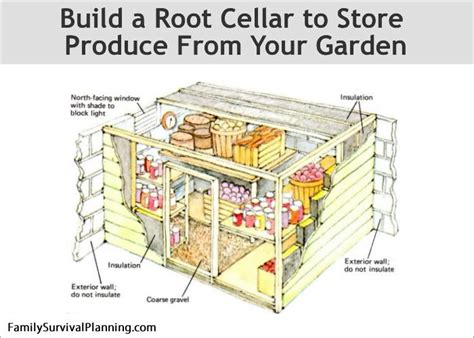
As gardeners revel in the bounty of a successful harvest, a common challenge emerges: how to store the abundance effectively and economically. While modern refrigeration has its place, it comes with electricity costs and limitations in space. Enter the root cellar, an age-old solution experiencing a well-deserved resurgence. Building a DIY root cellar offers a remarkably budget-friendly and highly effective way to preserve your garden’s treasures, extending their freshness long into the off-season without relying on power grids.
Why Consider a DIY Root Cellar?
The concept of a root cellar is deceptively simple: a cool, dark, and humid environment that mimics the natural conditions of soil, perfectly suited for storing root vegetables, fruits, and even some leafy greens. Its appeal in today’s world is multifaceted. Firstly, it’s incredibly cost-effective. Once constructed, a root cellar operates completely off-grid, eliminating ongoing energy bills. Secondly, it drastically reduces food waste, allowing you to enjoy your homegrown produce for months, sometimes even years, after harvest. This contributes to self-sufficiency and a more sustainable lifestyle, reducing your reliance on grocery stores and their often-imported produce.

Essential Principles of Root Cellar Design
For a root cellar to be effective, it must meet specific environmental conditions. Understanding these is crucial for a successful DIY project:
- Temperature: The ideal range is typically between 35-50°F (2-10°C). Consistency is key to preventing spoilage and sprouting.
- Humidity: High humidity (around 85-95%) prevents produce from shriveling and drying out. This is often achieved naturally underground or through features like a dirt floor.
- Ventilation: Good airflow is essential to prevent the buildup of ethylene gas (produced by ripening fruits) and to circulate fresh, cool air, inhibiting mold and mildew growth.
- Darkness: Light exposure can cause potatoes to turn green and other vegetables to sprout prematurely. Complete darkness helps maintain dormancy.
Types of Budget-Friendly DIY Root Cellars
There’s a root cellar solution for nearly every budget and property type. Here are a few popular DIY options:
- Buried Trash Can/Barrel Cellar: One of the simplest and most economical. Dig a deep hole, place a heavy-duty plastic trash can or barrel with drainage holes, add a layer of straw, fill with produce, and cover. Ensure proper ventilation with PVC pipes.
- Mound/Pit Cellars: A traditional method involving digging a shallow pit, placing produce, covering with straw, and then mounding soil over it. Ideal for smaller quantities and temporary storage.
- Basement/Crawl Space Conversion: If you have an unused corner of a cool basement or crawl space, you can easily convert it. Enclose the area with insulated walls, add shelving, and ensure good ventilation. This leverages existing structure and insulation.
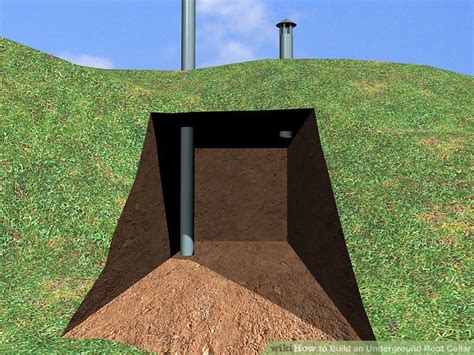
- Earth-Sheltered Cellar: More involved, but highly effective. This could be a small structure built partially or fully into a hillside, or using concrete culverts buried and covered with earth. These maintain very stable temperatures.

Planning and Constructing Your Root Cellar
Regardless of the type you choose, careful planning is paramount. Start by assessing your site. For underground options, consider soil type, water table, and drainage. For basement conversions, identify the coolest, darkest spot.
Key Construction Considerations:
- Materials: Think reclaimed or inexpensive materials like salvaged lumber, concrete blocks, old barrels, or even thick plastic sheeting. Earth itself is a primary building material for many types.
- Insulation: Crucial for maintaining stable temperatures. For above-ground sections or basement walls, use rigid foam insulation, straw bales, or even layered cardboard. Earth acts as natural insulation for underground cellars.
- Ventilation System: Essential for air circulation. This typically involves an intake pipe (low to the ground) and an exhaust pipe (higher up), creating a natural draft. Screen both ends to prevent pests.
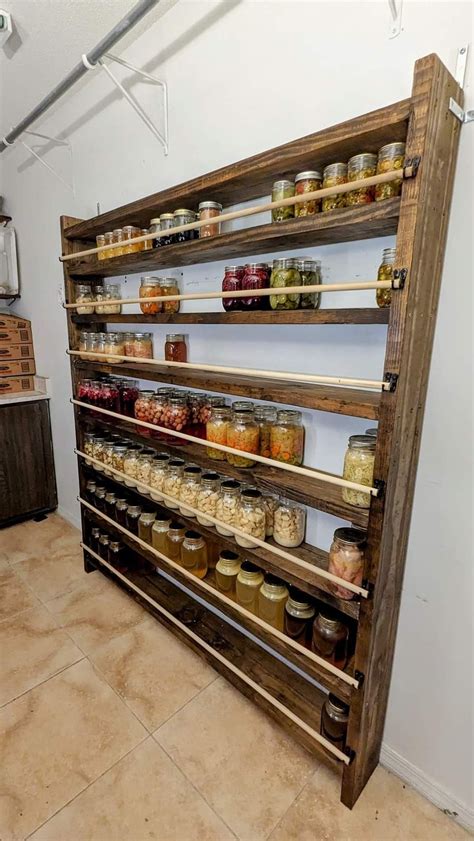
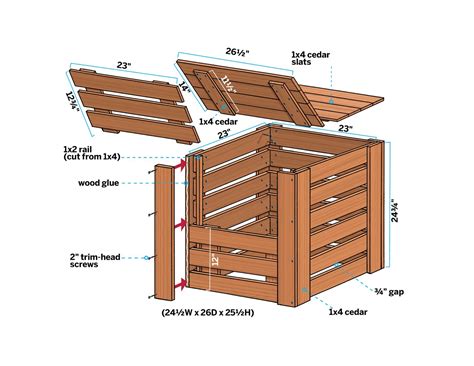
- Shelving and Storage: Use sturdy, rot-resistant materials like cedar, treated lumber, or metal shelving. Ensure good air circulation around stored items. Bins of sand or sawdust can help maintain humidity for specific root crops.
Crops Best Suited for Root Cellar Storage
Not all produce is ideal for root cellaring. Focus on those that thrive in cool, dark, and humid conditions:
- Root Vegetables: Potatoes, carrots, beets, parsnips, turnips, rutabagas, celeriac.
- Winter Squash & Pumpkins: Cure them first, then store on shelves.
- Apples & Pears: Store separately from root vegetables due to ethylene gas.
- Cabbage & Chinese Cabbage: Can be hung by their roots or stored in layers.
- Onions & Garlic: Require cooler, drier conditions than most, so store in a slightly different section or higher up where it’s less humid.
Maintaining Your Root Cellar for Optimal Performance
Once built, a root cellar requires minimal but consistent attention. Regularly monitor the temperature and humidity using a thermometer and hygrometer. Adjust ventilation as needed. Inspect your stored produce periodically and remove any items showing signs of spoilage to prevent contamination of others. Clean the cellar annually before bringing in the new harvest.

Embrace the Ancient Art of Food Preservation
Building a DIY root cellar is more than just a home improvement project; it’s a step towards greater self-sufficiency, sustainable living, and enjoying the fruits (and roots!) of your labor long after the growing season ends. It’s an investment that pays dividends in fresh, homegrown food and a reduced ecological footprint. With a little planning and effort, you can transform your garden storage challenges into a budget-friendly, effective, and deeply satisfying solution.