
DIY root cellar tips for preserving garden harvest without power?
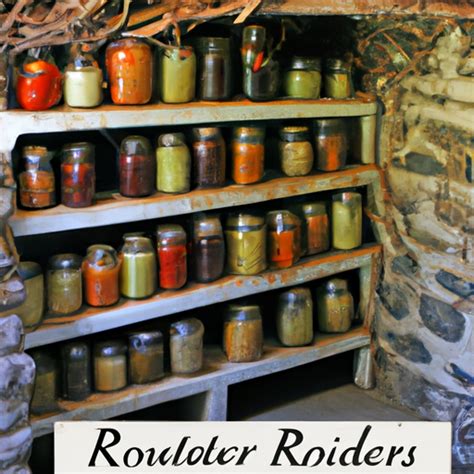
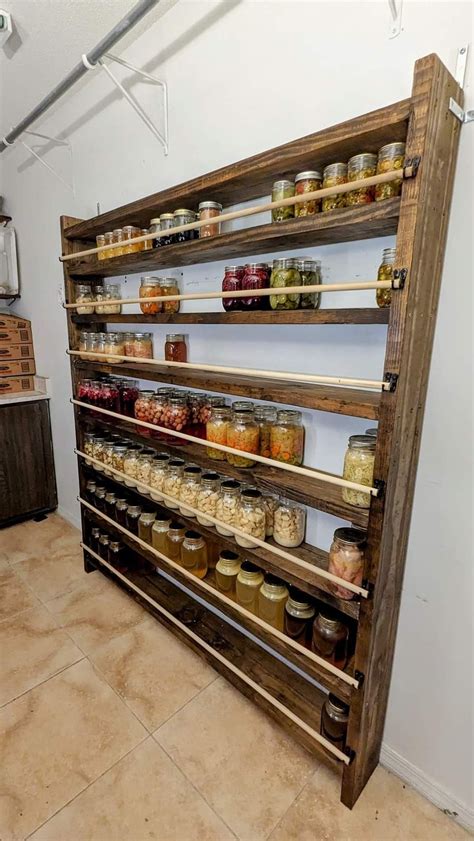
In an age where reliance on electricity is often taken for granted, the ancient art of root cellaring offers a timeless and sustainable solution for preserving your garden’s bounty. Imagine shelves laden with crisp apples, firm potatoes, and vibrant carrots, all kept fresh for months without a single watt of power. Building a DIY root cellar is not only an empowering project for self-sufficiency but also an eco-friendly way to extend your harvest and reduce food waste.
Why Go Off-Grid with a Root Cellar?
Beyond the independence from power grids, a root cellar provides an ideal environment for long-term storage of many vegetables and some fruits. Unlike refrigerators that can dry out produce or freezers that alter texture, a good root cellar maintains a consistent cool temperature and high humidity, mimicking natural earth conditions. This natural environment significantly extends the shelf life of produce, keeping it fresh, flavorful, and nutrient-rich.
It’s also a cost-effective solution, eliminating the ongoing energy costs associated with modern refrigeration. For homesteaders, gardeners, and anyone looking to live more sustainably, a DIY root cellar is an invaluable asset.
Choosing the Perfect Location
The success of your root cellar largely depends on its placement. Proximity to your home is convenient, but the primary considerations are temperature stability, drainage, and soil type.
Underground vs. Above-Ground Solutions
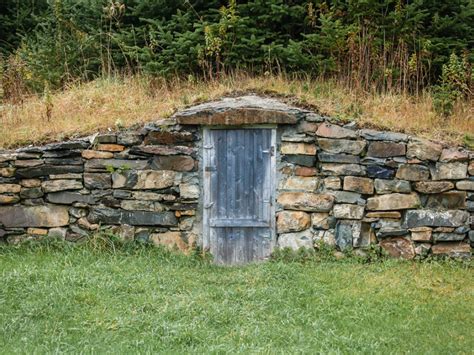
While the classic image is an underground dug-out, effective root cellars can also be built into hillsides, as modified basements, or even as insulated, earth-bermed structures above ground. Underground options benefit from the earth’s insulating properties, offering excellent temperature stability. Above-ground solutions require more insulation and careful design to mimic those conditions.
Drainage and Soil Type are Crucial
Avoid areas prone to flooding or with high water tables. Good drainage is paramount to prevent moisture issues and structural damage. Sandy loams are ideal as they drain well but can still compact around structures. Heavy clay soils might hold too much water, while very sandy soils might not provide enough thermal mass.
Essential Design Principles for Success
A functional root cellar hinges on three core environmental controls: consistent cool temperature, high humidity, and adequate ventilation.
Maintaining the Ideal Temperature
The sweet spot for most root cellar crops is between 35°F and 50°F (2°C and 10°C). Below freezing will damage produce, while above 50°F can encourage sprouting or spoilage. Earth insulation, thick walls (concrete, stone, or insulated wood), and a north-facing entrance (if above ground) can help maintain this range.
Humidity Management is Key
Most produce stores best in high humidity, around 85-95%. This prevents wilting and shriveling. Earthen floors, bins of damp sand, or even occasionally sprinkling water on the floor can help achieve this. Avoid conditions that are too damp, which can lead to mold.
Ventilation is Your Ally
Good air circulation is vital to prevent stagnant air, which can encourage mold and ethylene gas buildup (a ripening hormone that can spoil other produce). Implement an intake vent near the floor and an exhaust vent near the ceiling, ideally on opposing walls, to create a natural convection current. These vents should be screened to keep pests out and have dampers for temperature control.
Simple Construction Approaches
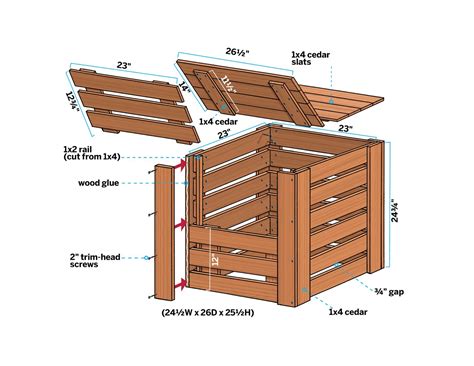
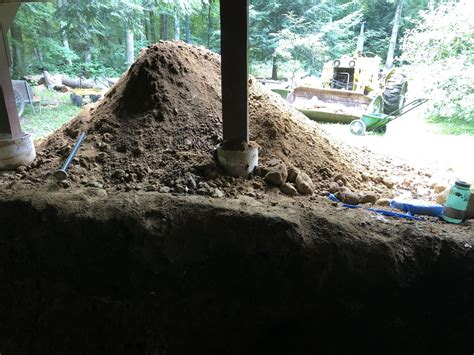
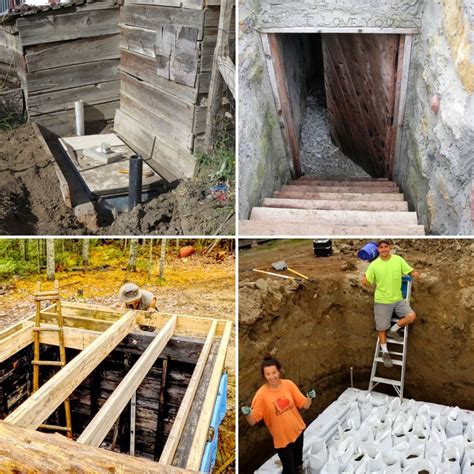
While a full-scale underground cellar can be a significant undertaking, simpler versions are achievable. Consider an insulated bin in a cool basement, a modified culvert pipe buried in a mound of earth, or a well-insulated shed with an earthen floor.
Materials: Concrete blocks, salvaged wood, stone, and even old appliances (like chest freezers modified for passive ventilation) can be repurposed. Focus on insulation (earth berming, straw bales, foam boards) and robust, moisture-resistant construction.
Doors: A heavy, insulated door with a good seal is crucial for maintaining internal conditions and keeping pests out.
What to Store and How to Prepare It
Not all produce is suited for root cellaring. Focus on crops that thrive in cool, dark, and humid conditions.
Ideal Candidates:
- Root Vegetables: Potatoes, carrots, beets, parsnips, turnips, rutabagas, celeriac. Store in bins of damp sand or sawdust to prevent shriveling.
- Squash and Pumpkins: Cured (dried in the sun for a week) and stored on shelves at slightly warmer temperatures (around 50-55°F / 10-13°C) and lower humidity.
- Cabbage: Can be stored whole, hanging upside down, or wrapped in newspaper.
- Apples: Store separately from other produce as they release ethylene gas. Wrap individually in newspaper to prevent rot spread.
- Onions and Garlic: Require cooler, drier conditions than most other root cellar items. Hang in mesh bags.
Preparation Tips:
- Harvest mature produce before the first hard frost.
- Cure root vegetables (allow them to dry slightly) to heal minor wounds.
- Brush off excess dirt; do not wash produce before storing, as this can introduce moisture and pathogens.
- Inspect thoroughly for any damage or disease; one bad apple can spoil the bunch.
Maintaining Your Off-Grid Pantry
Regular inspection is vital. Check your stored produce weekly, removing any items that show signs of spoilage to prevent contamination. Monitor temperature and humidity with simple thermometers and hygrometers, adjusting vents or adding moisture as needed. Keep the cellar clean to deter pests and molds. With proper care, your DIY root cellar will serve as a reliable, power-free pantry for years to come, connecting you more deeply to your land and your food supply.