DIY root cellar tips for storing garden bounty without electricity?

In an age increasingly reliant on electricity for food preservation, the humble root cellar offers a timeless, sustainable, and entirely off-grid solution. Perfect for homesteaders, gardeners, or anyone looking to reduce their energy footprint, a DIY root cellar leverages natural earth temperatures and humidity to keep your garden’s bounty fresh for months. Say goodbye to overloaded refrigerators and freezers, and hello to a resilient, self-sufficient food storage system.
The Timeless Appeal of Root Cellars
Root cellars are not a new invention; they’ve been an integral part of food preservation for centuries, long before modern refrigeration. Their resurgence in popularity highlights a growing desire for self-reliance and sustainable living. By mimicking the cool, dark, and humid conditions of an underground environment, a root cellar creates an ideal climate for storing a wide variety of vegetables and fruits.
The beauty of a root cellar lies in its simplicity and efficiency. It requires no electricity, making it immune to power outages and significantly reducing energy costs. Furthermore, it encourages a deeper connection to your food source, allowing you to enjoy your harvest long after the growing season has ended.

Key Principles for Success
A successful root cellar design hinges on maintaining specific environmental conditions. Understanding and controlling these factors is crucial for optimal storage.
Temperature Control
The ideal temperature for most root cellar produce is just above freezing, typically between 35-45°F (2-7°C). The earth provides natural insulation, helping to keep temperatures stable. Proper insulation from external temperature fluctuations, often achieved by burying the structure or using thick walls, is vital to prevent freezing in winter and overheating in warmer months.
Humidity Management
Most vegetables and fruits require high humidity (85-95%) to prevent moisture loss and wilting. The natural moisture in the soil surrounding a buried cellar often helps maintain this. For above-ground or modified cellar types, a dirt floor, or regularly misting the floor, can help regulate humidity levels.
Ventilation is Crucial
Good airflow prevents the buildup of ethylene gas, which can accelerate ripening and spoilage, and also discourages mold and mildew. A simple ventilation system, typically consisting of an intake pipe near the floor and an exhaust pipe near the ceiling, creates a natural convection current to exchange stale air for fresh, cool air.
Darkness and Air Quality
Light can degrade produce quality, especially potatoes, causing them to turn green and bitter. Ensuring your root cellar is completely dark is important. Additionally, storing different types of produce separately can prevent cross-contamination of flavors and the spread of spoilage.
Choosing Your DIY Root Cellar Type
The best root cellar for you will depend on your climate, available space, and budget. Here are a few common DIY options:
Simple Pit or Trench Cellar
For smaller harvests, a simple pit or trench dug into the ground, lined with straw, and covered with boards and soil, can work effectively. These are temporary and ideal for short-term storage or in mild climates.
Buried Drum or Container Cellar
An old galvanized trash can, plastic barrel, or even an old chest freezer can be repurposed. Dig a hole, place the container inside, ensure drainage, add insulation (straw, gravel), and incorporate a simple ventilation pipe system before burying. These are relatively quick to build and offer good protection.
Modified Basement or Shed Cellar
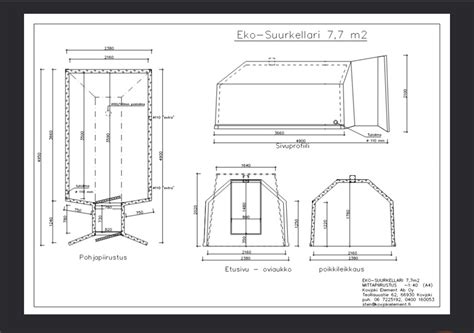
If you have an existing basement, garage, or shed, you can section off a corner. Insulate the walls, floor, and ceiling of this section, add a solid door, and install a ventilation system that draws in cool air from outside and expels warmer air. This method leverages existing structures and can be highly effective.

Essential Construction Tips
Regardless of the type you choose, these tips will guide your construction process:
Site Selection
Choose a location that drains well to prevent water accumulation. A shady spot, perhaps under a deciduous tree, can help keep temperatures lower during warmer months.
Insulation is Key
Earth itself is a great insulator. For buried cellars, ensure sufficient earth cover (at least 2-3 feet) over the top and sides. For modified structures, use rigid foam insulation, straw bales, or other natural insulating materials to maintain stable temperatures.
Building Ventilation Systems
Install two pipes: one intake pipe extending close to the floor to draw in cool, fresh air, and one exhaust pipe extending from the ceiling to expel warm, stale air. Both pipes should have screens to prevent pests. You can add simple dampers to control airflow.
Flooring and Shelving
A dirt floor is often ideal for maintaining humidity, but ensure it’s well-drained. Wooden slatted shelves or bins allow for good air circulation around stored produce. Avoid metal shelving as it can rust in high humidity.
Storing Your Garden Bounty Effectively
Not all produce stores the same way. Proper preparation and storage methods will maximize shelf life.
Preparation is Paramount
Harvest produce at its peak ripeness. Gently clean off excess dirt (do not wash unless specified, as moisture promotes rot) and inspect for any damage or disease. Cure certain crops (like pumpkins, squash, sweet potatoes) in a warm, humid environment for a week or two before moving them to the cellar; this hardens their skins and improves storage life.
Which Crops Store Best?
- Cool & Humid (35-40°F, 90-95% RH): Carrots, beets, parsnips, turnips, potatoes, cabbage, apples.
- Cool & Moderately Humid (40-50°F, 80-85% RH): Winter squash, pumpkins, sweet potatoes, garlic, onions.
Storage Methods by Crop
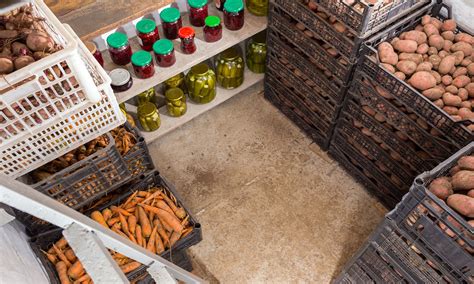
- Root Vegetables: Store in bins or buckets layered with moist sand, sawdust, or peat moss to maintain humidity and prevent shriveling.
- Potatoes: Store in burlap sacks or open crates, ensuring darkness to prevent greening. Keep them away from apples, which emit ethylene gas that can cause potatoes to sprout.
- Apples: Wrap individually in newspaper to prevent spoilage from spreading and store on shelves or in crates.
- Cabbage: Can be hung upside down by its roots or stored on shelves.
- Winter Squash & Pumpkins: Store on shelves in a slightly warmer, drier section of the cellar if possible, with good air circulation.
Monitoring and Maintenance
Periodically check your stored produce for any signs of spoilage. Remove any rotting items immediately to prevent the spread to other produce. Ensure your ventilation system is clear and that temperatures and humidity remain within optimal ranges. Adjust airflow as needed.
Conclusion
Building a DIY root cellar is a rewarding project that offers tangible benefits for food independence and sustainable living. It’s an investment in resilience, allowing you to enjoy your homegrown bounty long after the growing season, without reliance on electricity. With careful planning and attention to the basic principles of temperature, humidity, and ventilation, you can create a functional and efficient root cellar that serves your household for years to come.