DIY root cellar tips for year-round vegetable storage?
Unlock Year-Round Freshness: Essential DIY Root Cellar Tips
Root cellars are time-honored solutions for preserving harvests, offering a natural, energy-efficient way to store vegetables and fruits for months. In an age where self-sufficiency and sustainable living are gaining traction, building your own root cellar can be a rewarding project, extending the bounty of your garden long past the growing season. This guide will walk you through the key considerations and practical tips for creating an effective DIY root cellar.
Understanding the Core Principles of Root Cellaring
The success of a root cellar hinges on maintaining specific environmental conditions: consistent cool temperatures, high humidity, and adequate ventilation. These factors work in concert to slow down respiration and spoilage, keeping produce firm and fresh. Before you even dig, understand that different vegetables thrive under slightly different conditions, but a well-designed cellar can accommodate a wide range.

Choosing the Right Location and Type
Your property’s layout and climate will heavily influence the best type of root cellar for you. Common options include:
- Buried or Partially Buried Cellars: These leverage the earth’s insulating properties to maintain stable temperatures. They can range from a simple pit lined with straw to a more robust structure made from concrete or stone.
- Basement Root Cellars: If you have an unheated basement, a dedicated section can often be converted. Look for a cool, dark corner away from heat sources.
- In-Ground “Pit” Cellars: A simpler, temporary option often used for specific crops like carrots or potatoes.
Consider soil drainage, sun exposure, and accessibility when selecting your site. A spot that naturally stays cool and shaded will require less effort to maintain.
Temperature Control: The Foundation of Preservation
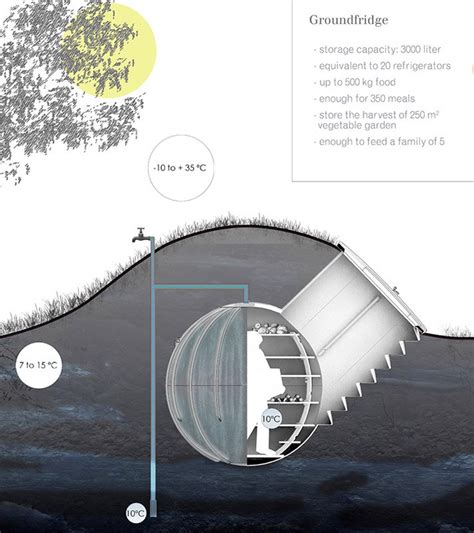
An ideal root cellar temperature hovers between 35-50°F (2-10°C), though 35-40°F (2-4°C) is best for most common storage crops. This cool environment drastically slows down the metabolic processes that lead to spoilage. Achieving this often involves using the earth’s natural insulation. For buried cellars, depth is key – digging below the frost line helps prevent freezing in winter and keeps it cooler in summer. For basement conversions, ensuring good insulation from heated areas is crucial.
Humidity and Ventilation: Crucial for Longevity
High humidity (85-95% relative humidity) is vital to prevent produce from drying out and shriveling. This can be maintained by a damp earthen floor, a layer of sand, or even by placing buckets of water inside. However, high humidity without proper air circulation can lead to mold and mildew. A good ventilation system, typically involving an intake vent low to the ground and an exhaust vent high up, creates a gentle airflow that exchanges stale air without significantly altering temperature or humidity.
Construction Considerations and Materials
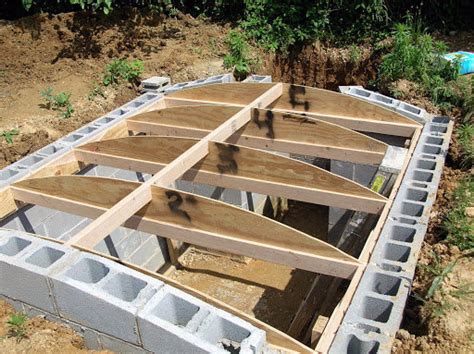
When building, prioritize durability, insulation, and moisture management.
- Walls and Floor: Concrete, stone, or treated wood are common. An earthen floor helps maintain humidity naturally.
- Insulation: Beyond the earth, consider rigid foam insulation for ceilings and walls, especially in basement conversions or above-ground sections.
- Drainage: Essential for preventing water ingress. A gravel bed below the floor and a proper drainage system around the exterior of a buried cellar will protect your investment.
- Shelving: Sturdy, slatted shelves made from untreated wood or metal allow for air circulation around stored items.
Best Practices for Storing Your Harvest
Not all vegetables are ideal for root cellaring, and preparation is key.
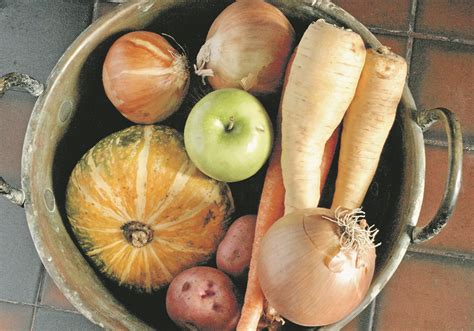
- Ideal Candidates: Potatoes, carrots, beets, parsnips, turnips, cabbage, apples, and hardy squash varieties.
- Preparation: Harvest at peak maturity, cure some crops (like potatoes and squash) before storage, and brush off excess dirt – don’t wash. Remove any damaged or diseased items immediately to prevent spoilage of the entire batch.
- Storage Methods: Store most root vegetables in damp sand, sawdust, or peat moss to maintain humidity and prevent shriveling. Apples should be stored separately as they emit ethylene gas, which can ripen other produce prematurely. Ensure good air circulation around individual items.
- Monitoring: Regularly check your stored produce for any signs of spoilage and remove affected items promptly.
Conclusion
A DIY root cellar is a fantastic investment for any gardener looking to extend their harvest and embrace sustainable living. By understanding the core principles of temperature, humidity, and ventilation, and carefully planning your construction and storage methods, you can enjoy fresh, homegrown produce year-round. Start small, learn as you go, and soon you’ll be a master of natural food preservation.