


DIY root cellar tips for year-year-round vegetable storage without electricity?
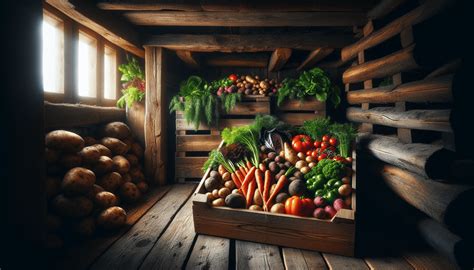
Embrace Ancient Wisdom: The Power of a DIY Root Cellar
In an age dominated by refrigeration and complex electrical appliances, the humble root cellar offers a refreshing return to time-tested food preservation methods. For homesteaders, gardeners, or anyone looking to reduce their reliance on electricity and enjoy fresh produce long after harvest, a DIY root cellar is an invaluable asset. This guide will walk you through the essential tips for creating your own underground pantry, ensuring your bounty lasts through the seasons.

Why Build a Root Cellar?
Beyond the satisfaction of self-sufficiency, root cellars provide ideal conditions for many fruits and vegetables. They maintain a consistently cool temperature (typically 35-50°F or 2-10°C) and high humidity (around 85-95%), which significantly extends the shelf life of produce that would otherwise spoil quickly. This natural environment prevents dehydration and slows down the ripening process, keeping your food fresh, crisp, and nutrient-rich for months without any power consumption.
Ideal Location and Site Selection
Choosing the right location is paramount. A good root cellar should be:
- Cool and Shady: Away from direct sunlight and heat sources.
- Well-Drained: Avoid areas prone to flooding or high water tables to prevent moisture issues and structural damage.
- Accessible: Convenient enough for regular use but out of the way of daily traffic.
- Underground or Earth-Sheltered: The earth itself provides the insulation needed to maintain stable temperatures. This could be a dug-out pit, a section of a basement, or a buried structure.
Key Design Principles for Your DIY Root Cellar
While designs can vary widely, a few core principles underpin every successful root cellar.
1. Insulation and Structure
The primary goal is to keep the internal temperature stable. Earth is your best insulator. If you’re building a standalone structure, consider:
- Burying It: The more earth covering your cellar, the better the insulation.
- Thick Walls: Concrete, stone, or treated wood, reinforced with insulation if not fully buried.
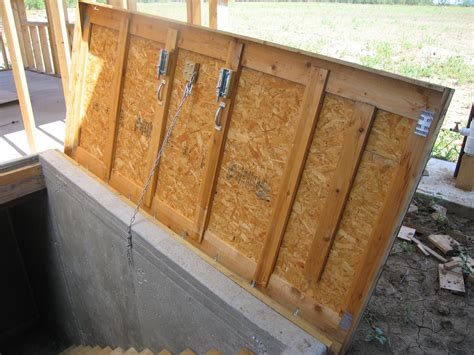
- Airtight Door: A well-sealed, insulated door will prevent temperature fluctuations.
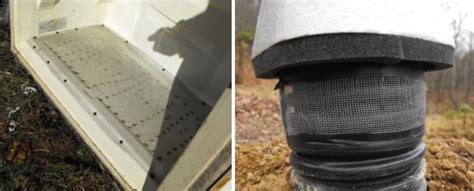
2. Ventilation is Crucial
Proper airflow prevents stale air, mold, and the accumulation of ethylene gas (emitted by some produce, which can accelerate ripening). You’ll need:
- Inlet Vent: Low to the ground, drawing in cooler, fresh air.
- Outlet Vent: High on the opposite side, allowing warmer, stale air to escape.
- Screened Vents: To keep out pests and rodents.
- Adjustable Covers: To control airflow based on external temperatures and internal needs.
3. Humidity Management
High humidity is essential, but too much can lead to rot. The earth surrounding the cellar naturally helps maintain humidity. You can further manage it by:
- Earthen Floor: Leaving a portion of the floor as bare earth allows natural moisture exchange.
- Moisture Source: If necessary, a bucket of damp sand or a shallow pan of water can boost humidity.
- Avoid Condensation: Good ventilation prevents condensation buildup on walls and ceilings.
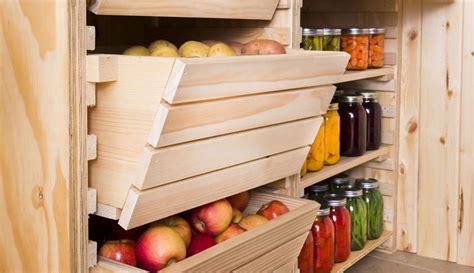
Storing Your Harvest Effectively
Not all vegetables store well together, and proper preparation is key.
Suitable Vegetables & Fruits
- Root Vegetables: Carrots, potatoes, beets, parsnips, turnips (store in damp sand or sawdust).
- Hardy Winter Squash: Butternut, acorn, spaghetti squash (store on shelves, not touching).
- Apples & Pears: Store separately from root vegetables as they release ethylene gas. Wrap individually.
- Cabbage: Can be stored hanging or on shelves.
- Onions & Garlic: Need cooler, drier conditions (store in mesh bags or braids).
Preparation and Organization
- Curing: Potatoes, sweet potatoes, and winter squash benefit from a curing period (warm, humid conditions) before being placed in the cellar.
- Cleanliness: Only store clean, undamaged produce. Bruised or diseased items will spoil quickly and affect others.
- Separation: Use shelving, bins, and barrels to keep different produce types separated.
- Monitor Regularly: Check your cellar weekly, removing any rotting items immediately to prevent spoilage from spreading.
Enjoying Your Year-Round Bounty
Building a DIY root cellar is a rewarding project that reconnects you with sustainable living practices and ensures a continuous supply of fresh, healthy food. While it requires an initial investment of time and effort, the long-term benefits of extended harvest, reduced waste, and energy independence are immeasurable. With careful planning and attention to detail, your homemade root cellar will become a cherished cornerstone of your self-sufficient lifestyle, providing delicious produce year after year without a single watt of electricity.