
DIY root cellar: What materials make for effective, affordable, long-term food storage?
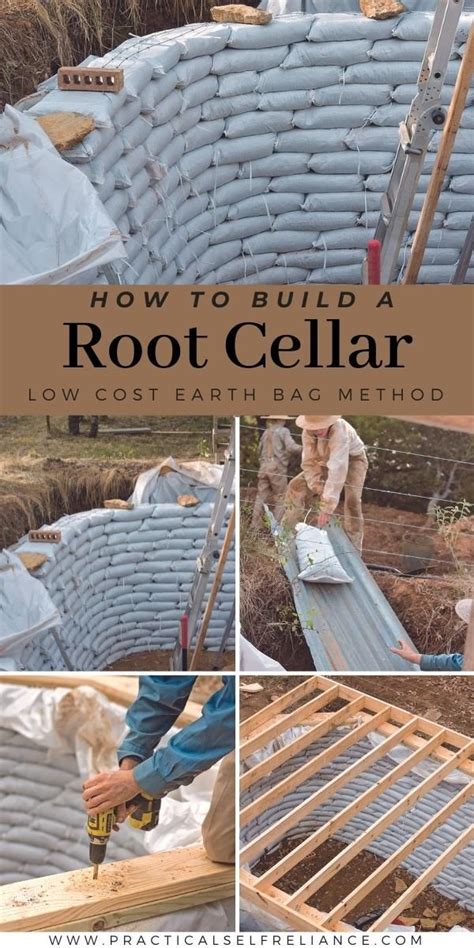
A DIY root cellar offers an age-old solution for preserving harvests, extending the life of fruits and vegetables without refrigeration. Building one effectively means choosing materials that are not only affordable but also contribute to the ideal environment: cool temperatures, high humidity, and darkness. This guide will explore the best material choices for an effective, affordable, and long-lasting root cellar.
Understanding Root Cellar Essentials
Before diving into materials, it’s crucial to understand the environmental conditions a root cellar must maintain. The ideal temperature range is typically 35-50°F (2-10°C), coupled with high humidity (85-95%) and complete darkness. Excellent ventilation is also key to prevent ethylene gas buildup and inhibit mold growth. These factors directly influence material selection for walls, flooring, insulation, and ventilation systems.
Structural Materials: Foundations of Longevity
The core structure of your root cellar needs to be robust, resistant to moisture, and capable of maintaining stable temperatures. Material choices will depend on whether you’re building an underground, semi-underground, or above-ground (but insulated) structure.
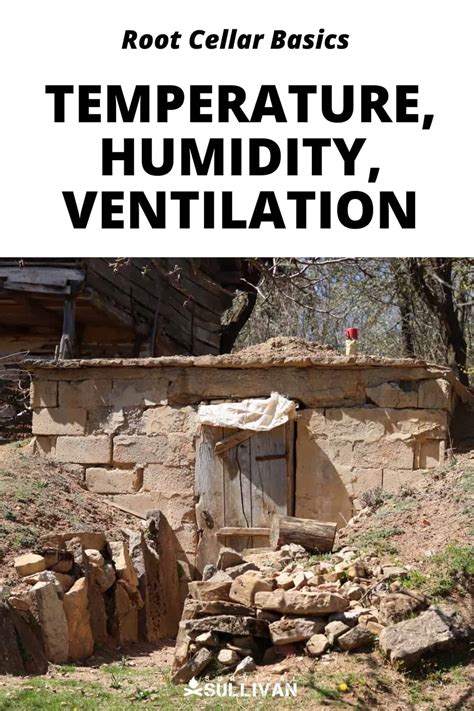
- Earth/Natural Earth: For underground or ‘in-ground’ cellars, the surrounding earth itself is the most affordable and effective insulator. If you’re excavating a hill or simply digging a pit, the earth’s thermal mass naturally moderates temperature fluctuations. This is the ultimate budget-friendly option for the main structure.
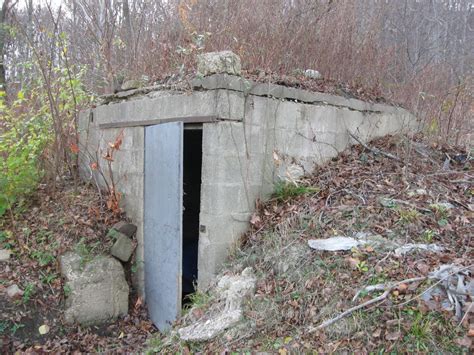
- Concrete Blocks (CMUs) or Poured Concrete: Highly durable, resistant to rot and pests, concrete offers excellent thermal mass. While the upfront cost is higher than earth, its longevity and stability make it an effective long-term solution. Blocks are generally more DIY-friendly than poured concrete. Sealants are essential to manage moisture.
- Treated Lumber/Rot-Resistant Wood: For above-ground sections or interior framing in damp environments, pressure-treated lumber (rated for ground contact) or naturally rot-resistant woods like cedar or locust can be used. However, wood in direct contact with damp soil can still degrade over time, making it less ideal for the primary underground structure unless heavily protected.
- Stone/Brick: Offering natural beauty and incredible thermal mass, stone or brick can create a very durable root cellar. However, these materials are often more expensive and labor-intensive to work with, making them less ‘affordable’ for many DIYers unless locally sourced and plentiful.
Insulation and Humidity Management
Even with good structural materials, insulation is crucial, especially for any above-ground sections or where ambient temperatures are high. Humidity management is also key.
- Earth Berming: For partially or fully above-ground structures, piling earth against the walls (berming) is an incredibly affordable and effective insulation method, mimicking an underground cellar.
- Rigid Foam Insulation (XPS/EPS): Extruded polystyrene (XPS) or expanded polystyrene (EPS) foam boards are excellent for insulating walls and ceilings, particularly when constructing a cellar within an existing structure (like a basement corner) or for the roof of a buried cellar. They are moisture-resistant and provide high R-value per inch.
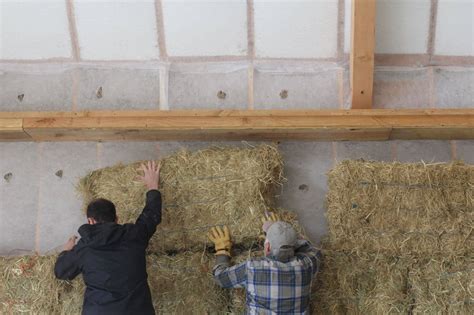
- Straw Bales: An incredibly affordable and sustainable option for above-ground root cellars. Straw bales offer excellent insulation but require protection from moisture and pests. They are often used in conjunction with plaster or earthen renders.
- Vapor Barrier: A critical component, often overlooked. A polyethylene sheet (6-mil plastic) placed on the warm side of the insulation or against concrete walls can prevent moisture migration, protecting your structure and maintaining desired humidity levels within the storage area.
- Natural Earth Floor: Leaving a portion of the floor as bare earth is highly effective for maintaining high humidity levels. The soil slowly releases moisture into the air. If a concrete floor is desired, consider adding a layer of sand or gravel for humidity.
Ventilation Systems: Airflow for Freshness
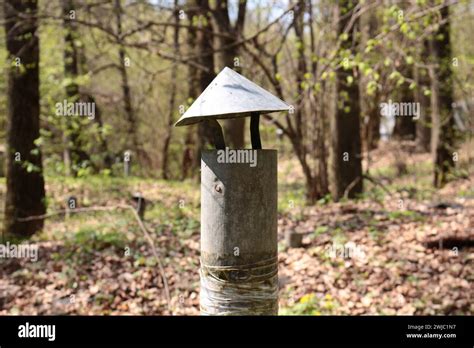
Proper airflow is non-negotiable for a healthy root cellar. A passive ventilation system relies on the ‘chimney effect’ – warm, stale air rises and exits, drawing in cool, fresh air.
- PVC Pipes: Schedule 40 or 80 PVC pipes are affordable, durable, and easy to install for intake and exhaust vents. Two pipes are generally needed: one low intake pipe that extends downwards close to the floor, and one high exhaust pipe that extends through the roof.
- Screening: Both intake and exhaust pipes must be fitted with rodent-proof screens (1/4-inch hardware cloth) to prevent pests from entering.
- Damper/Caps: Consider adding simple dampers or caps to the vents to control airflow during extreme weather or to prevent excessive freezing.
Shelving and Storage: Organizing Your Harvest
While not structural, the materials used for shelving contribute to the longevity and effectiveness of your food storage system.
- Untreated Wood: Naturally rot-resistant woods like cedar, black locust, or redwood make excellent shelving, resisting mold and pests. Avoid treated lumber for direct food contact. Regular pine can be used if kept dry and treated with a food-safe sealant, or if you plan to replace it periodically.
- Plastic Crates/Shelving: Durable, easy to clean, and non-reactive, plastic crates or shelving units are an affordable and practical choice. They allow for good airflow around produce.
- Wire Shelving: Coated wire shelving is another great option that promotes airflow and is easy to clean.

Conclusion: A Sustainable Investment
Building a DIY root cellar is a rewarding project that combines practicality with sustainability. By carefully selecting materials like the insulating power of earth, the durability of concrete, or the affordability of straw bales, along with proper ventilation and smart storage solutions, you can create an effective, affordable, and long-term food storage system. This investment will not only preserve your harvest but also connect you more deeply with the rhythms of nature and self-sufficiency.