
DIY solutions for rodent-proofing garden beds or pantry storage?
The Rodent Riddle: Protecting Your Home and Garden
Rodents are more than just a nuisance; they can cause significant damage to your garden, contaminate food in your pantry, and even pose health risks. While professional extermination is an option, many effective rodent-proofing solutions can be implemented using DIY methods. These strategies focus on deterrence, exclusion, and sanitation, offering a sustainable way to keep your spaces rodent-free.
General Principles of Rodent-Proofing
Before tackling specific areas, understanding the core principles of rodent control is crucial. Rodents seek food, water, and shelter. By eliminating these attractions and blocking entry points, you create an environment less appealing to them. This includes sealing cracks, keeping areas clean, and storing food properly.
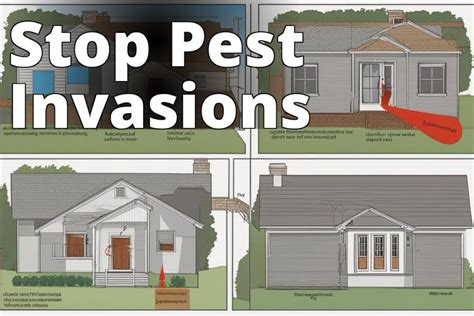
Start by inspecting your home and garden for potential entry points. Even a small gap, as tiny as a quarter-inch, can be an invitation for mice. Look for holes around utility pipes, vents, foundations, and under doors. Use steel wool, hardware cloth, or cement to seal these openings securely.
Rodent-Proofing Your Garden Beds
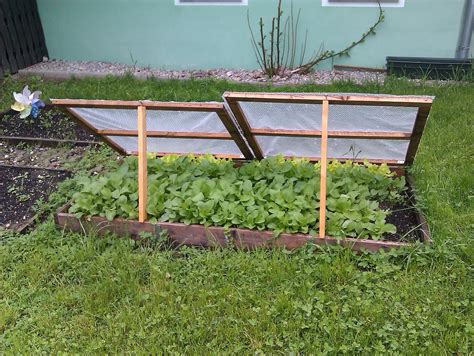
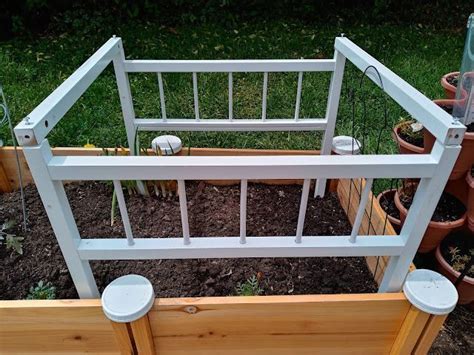
Garden beds are prime targets for rodents, offering an abundance of food. Protecting your produce requires a multi-faceted approach.
Physical Barriers:
- Hardware Cloth Trenches: For raised beds, dig a trench around the perimeter, about 6-12 inches deep and wide. Line it with 1/4-inch galvanized hardware cloth, bending it at a 90-degree angle to create an ‘L’ shape facing outwards at the bottom. Bury the bottom portion and extend the cloth up the sides of the bed, securing it. This prevents burrowing.
- Fencing: For ground-level gardens, consider a low fence made of 1/4-inch hardware cloth, buried a few inches into the ground and extending at least 1-2 feet above. Ensure there are no gaps for rodents to squeeze through.
Scent Deterrents:
Rodents dislike strong scents. Planting repellent herbs like mint, garlic, and marigolds around your garden perimeter can act as a natural deterrent. You can also place cotton balls soaked in peppermint oil or castor oil near vulnerable plants, refreshing them regularly.

Cleanliness and Harvesting:
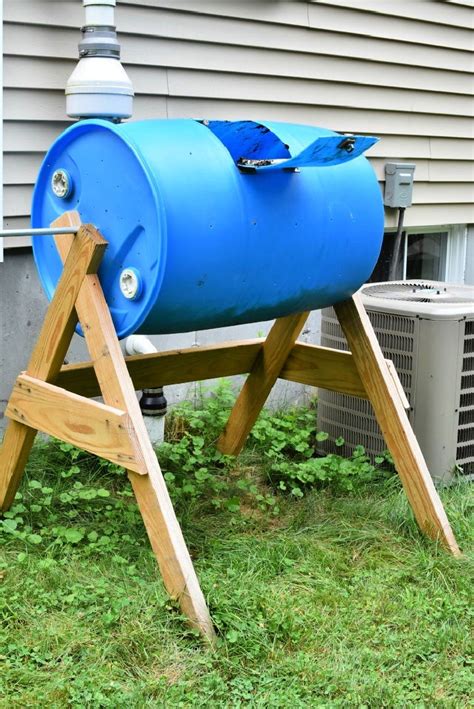
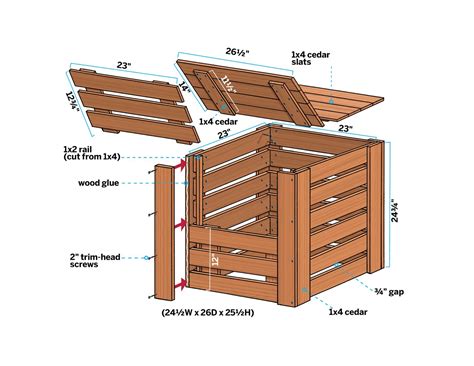
Remove fallen fruits and vegetables promptly. Overripe or rotting produce is a major attractant. Keep compost piles away from garden beds and ensure they are properly enclosed. Harvest your crops as soon as they are ready to reduce available food sources.
Securing Your Pantry Storage
A rodent infestation in your pantry can lead to contaminated food and significant waste. Prevention here is key.
Airtight Containers:
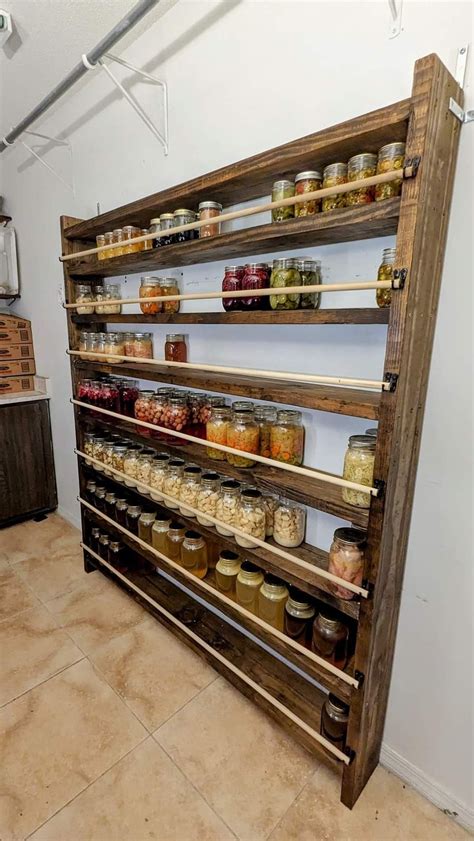
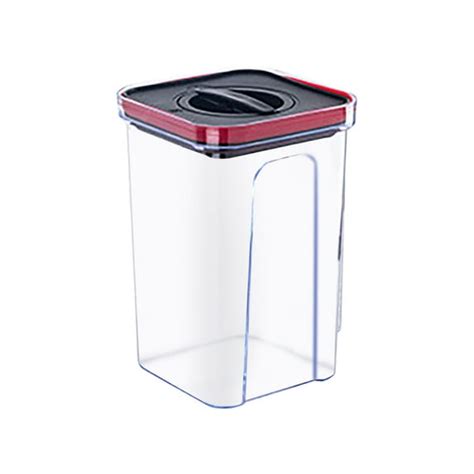
Transfer all dry goods – cereals, grains, pasta, flour, sugar, pet food – from their original packaging into sturdy, airtight containers made of glass, metal, or thick plastic. Rodents can easily chew through cardboard boxes and thin plastic bags. This not only keeps pests out but also preserves freshness.
Declutter and Organize:
A cluttered pantry offers hiding spots. Regularly clean out your pantry, checking for spills and crumbs. Store less frequently used items on higher shelves. Avoid storing food directly on the floor if possible.
Inspect and Seal:
Just like with your garden, inspect your pantry and the surrounding kitchen area for any cracks, gaps, or holes. Pay attention to areas where pipes enter walls or under sinks. Seal these openings to prevent entry.
Ongoing Maintenance and Prevention
Rodent-proofing isn’t a one-time task; it requires ongoing vigilance.
- Regular Checks: Periodically inspect your garden beds and pantry for new signs of rodent activity or compromised barriers.
- Waste Management: Ensure garbage cans, both indoors and outdoors, have tight-fitting lids. Don’t leave pet food or water bowls out overnight.
- Yard Maintenance: Keep your yard tidy. Trim overgrown bushes, remove woodpiles and debris, and keep grass mowed. These can provide shelter for rodents close to your home.

By integrating these DIY solutions into your home and garden care routine, you can significantly reduce the risk of rodent invasions. These proactive measures are not only environmentally friendly but also cost-effective, providing peace of mind that your garden produce and pantry staples are safe and sound.