Drying garden herbs effectively without a dehydrator for winter use?

Preserving the bounty of your summer garden allows you to enjoy fresh flavors long after the growing season ends. While a food dehydrator offers convenience, it’s far from essential for drying herbs effectively. With a few simple techniques and a little patience, you can have a well-stocked pantry of fragrant, home-dried herbs ready for winter cooking and remedies.
Preparing Your Herbs for Drying
No matter which method you choose, proper preparation is key to successful drying and preventing mold. Harvest herbs in the morning after the dew has dried but before the midday sun is too strong, as this is when their essential oils are most concentrated. Gently shake them to dislodge any insects, and rinse them quickly under cool water if visibly dirty. Pat them thoroughly dry with a clean cloth or paper towels before proceeding.
Method 1: Air Drying Herbs (The Traditional Way)
Air drying is arguably the easiest and most cost-effective method, especially for sturdy, low-moisture herbs like rosemary, thyme, oregano, marjoram, and sage. It requires good air circulation and a dry, warm environment.
Bundle Drying
For herbs with strong stems, gather small bunches (about 4-6 stems) and tie them together securely at the base with twine or a rubber band. Hang these bundles upside down in a warm, dry room away from direct sunlight. A pantry, attic, or even a corner of your kitchen can work. Good air circulation is crucial to prevent mold. You can place a paper bag (with holes punched in it for ventilation) over the bundles to catch any falling leaves and protect them from dust.

Screen or Rack Drying
For more delicate herbs like mint, basil, or leafy herbs that might not hold well in bundles, or simply to speed up the process, you can spread them in a single layer on screens or racks. Old window screens, cooling racks, or even specially made herb drying racks work well. Ensure there’s plenty of air circulating around them. Turn the herbs periodically to ensure even drying.
Method 2: Oven Drying Herbs (Faster Alternative)
When time is of the essence, your oven can be a useful tool, though it requires careful monitoring to prevent ‘cooking’ the herbs. This method is best for larger leaf herbs.
Preheat your oven to its lowest possible setting (usually around 170-200°F or 75-90°C). If your oven’s lowest setting is higher, consider leaving the oven door slightly ajar to lower the temperature further. Spread your cleaned, dry herbs in a single layer on baking sheets lined with parchment paper. Place the sheets in the oven.
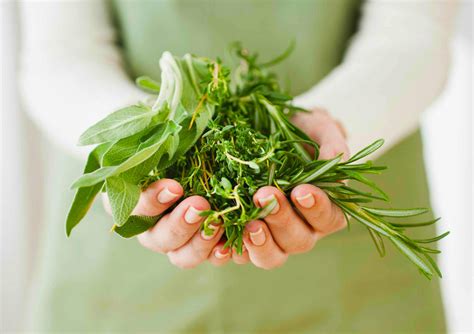
Bake for 1-4 hours, checking every 15-30 minutes. The drying time will vary greatly depending on the herb and your oven’s temperature. Flip the herbs occasionally. They are done when they are crisp and crumble easily.
Method 3: Microwave Drying Herbs (Quickest Option)
For small batches of herbs, the microwave offers the fastest drying method, though it can be tricky to get right without scorching them. This is often best for single leaves or small sprigs.
Lay a single layer of herbs between two paper towels on a microwave-safe plate. Microwave on high for 30 seconds. Check the herbs; if they’re not brittle, continue microwaving in 15-20 second increments, turning them over between intervals. Most herbs will dry within 1-3 minutes total, but this can vary. Watch carefully for any signs of burning.

Knowing When Your Herbs Are Dry
Regardless of the method, herbs are properly dried when they are crisp and crumble easily between your fingers. They should be brittle, not pliable or leathery. If there’s any flexibility, they still contain moisture and need more drying time to prevent mold during storage.
Storing Your Dried Herbs for Winter
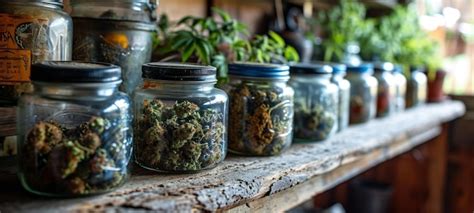
Once completely dry, remove the leaves from the stems (if you haven’t already). Crush them gently or leave them whole, depending on your preference. Store your dried herbs in airtight containers, such as glass jars with tight-fitting lids, in a cool, dark place away from direct sunlight and heat. Light and heat can degrade their flavor and color over time. Label each container with the herb name and drying date. Properly stored, dried herbs can retain their potency and flavor for up to a year.
Enjoying Your Homegrown Harvest
Drying your garden herbs without a dehydrator is a rewarding and simple process that connects you more deeply with your harvest. By following these straightforward methods, you’ll ensure a flavorful supply of herbs to enhance your winter meals and warm your home with memories of summer.