Drying garden herbs for winter storage naturally?
Embracing Nature’s Pantry: Drying Herbs for Winter
As the gardening season winds down, the bounty of fresh herbs can feel overwhelming. Rather than letting those aromatic leaves go to waste, consider the age-old practice of natural herb drying. Preserving your garden’s flavor not only reduces waste but also provides a taste of summer throughout the colder months, enhancing your winter dishes with homegrown goodness. This guide will walk you through simple, effective methods to naturally dry your herbs, ensuring they retain their potency and aroma for future culinary adventures.
The Art of Harvesting for Optimal Drying
Timing is everything when it comes to harvesting herbs for drying. The general rule of thumb is to pick them just before they flower, as this is when their essential oils and flavor are most concentrated. Early morning, after the dew has evaporated but before the sun gets too intense, is the ideal time. Use sharp scissors or pruners to snip stems, taking care not to remove more than one-third of the plant at a time to encourage continued growth. Gently shake off any insects and remove any damaged or diseased leaves.
Simple Steps for Herb Preparation
Before you begin the drying process, a little preparation goes a long way. For most herbs, a quick, gentle rinse under cool water is sufficient to remove dirt, but ensure they are thoroughly dry before proceeding. Pat them dry with a clean kitchen towel or paper towels. For thicker-leaved herbs, you might want to strip leaves from the lower parts of the stem. Delicate herbs like dill or cilantro may be dried whole, while larger leaves from basil or mint can be stripped from stems.
Traditional Natural Drying Methods
Air Drying: The Classic Approach
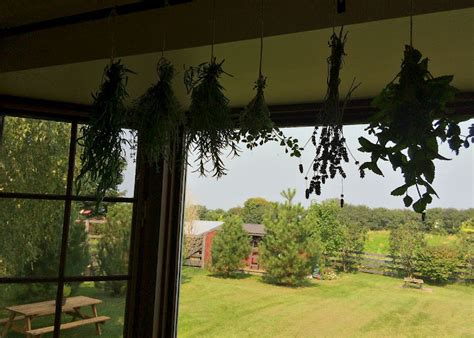
Air drying is perhaps the most traditional and simplest method for many herbs, especially those with lower moisture content and sturdy stems like rosemary, thyme, oregano, and sage. Gather small bunches (5-10 stems) and tie them together at the base with twine or a rubber band. Hang them upside down in a warm, dry, dark, and well-ventilated area. Attics, pantries, or even a quiet corner of your kitchen work well, as long as they are out of direct sunlight, which can fade color and diminish flavor. Placing a paper bag with holes punched in it over the bunches can help catch any falling leaves and protect from dust.

Screen Drying for Leafy Herbs
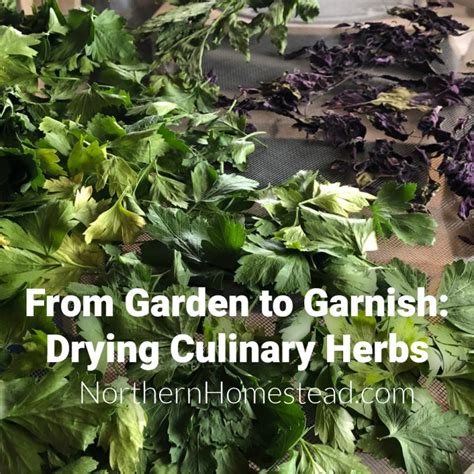
For herbs with higher moisture content or delicate leaves that might mold when bunched, such as mint, basil, or parsley, screen drying is an excellent option. Lay individual leaves or small sprigs in a single layer on a clean, food-safe drying screen, a cooling rack, or even a window screen placed on blocks for air circulation. Again, ensure the area is warm, dry, dark, and well-ventilated. Turn the herbs occasionally to ensure even drying.
Recognizing Fully Dried Herbs
The drying time will vary depending on the herb’s moisture content, humidity, and temperature, typically ranging from a few days to several weeks. You’ll know your herbs are thoroughly dry when they are brittle and crackle when touched. Leaves should crumble easily between your fingers, and stems should snap rather than bend. Any hint of flexibility or softness means they need more time, as residual moisture can lead to mold during storage.
Storing Your Dried Herbs for Longevity
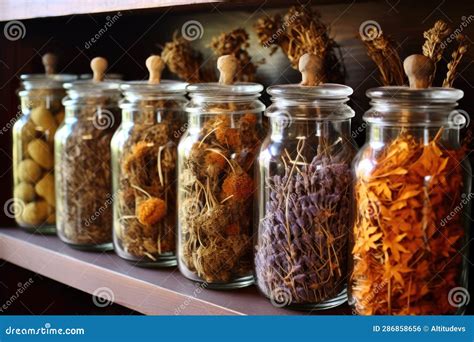
Once completely dry, store your herbs whole or gently crumbled in airtight containers away from light, heat, and moisture. Glass jars with tight-fitting lids are ideal. Label each container with the herb name and the date of drying. Storing them whole helps preserve their flavor and aroma longer; you can crumble or grind them just before use. Properly stored, most dried herbs will maintain their potency for six months to a year, though some can last even longer.
Enjoying Your Winter Harvest
Drying your garden herbs naturally is a rewarding process that connects you more deeply with the rhythm of nature and your own garden. It’s an economical, sustainable, and incredibly satisfying way to ensure that the vibrant flavors and healing properties of your herbs are available to you long after the growing season has ended. From enhancing culinary creations to crafting homemade teas, your naturally dried herbs will be a cherished reminder of your green thumb all winter long.