



Durable DIY raised garden beds: What wood and joinery last longest?
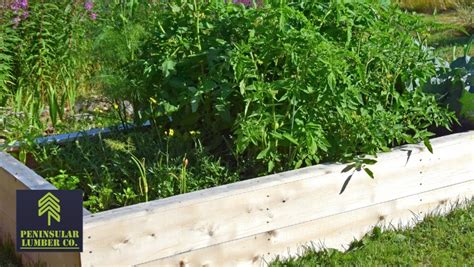
Building a raised garden bed is a fantastic DIY project that offers numerous benefits, from better drainage and soil control to easier access. However, for your investment of time and effort to truly pay off, durability is key. The constant exposure to soil, moisture, and varying weather conditions means that choosing the right materials and construction methods is paramount. This guide will help you select the best wood and joinery techniques to ensure your raised garden beds last for many seasons to come.
Choosing the Right Wood for Longevity
The foundation of a long-lasting raised garden bed begins with the wood. Not all wood is created equal when it comes to resisting rot and decay in moist environments. Here are some top contenders:
- Cedar: A perennial favorite for outdoor projects, cedar (especially Western Red Cedar) is naturally resistant to rot, decay, and insect infestation due to its natural oils. It’s lightweight, easy to work with, and ages gracefully to a silvery-grey hue. While a bit pricier, its longevity often justifies the cost.
- Redwood: Similar to cedar, redwood boasts excellent natural resistance to rot and insects. It’s highly durable and ideal for moist environments. Like cedar, it comes with a higher price tag but offers exceptional lifespan and beauty.
- Black Locust: Often touted as one of the most durable native woods, black locust is incredibly rot-resistant and strong. It’s a fantastic sustainable option if available locally, though it can be harder to source and work with due to its density.
- Juniper: Another naturally rot-resistant option, juniper is gaining popularity for its durability and aromatic properties. It’s a great choice for those looking for sustainable, native alternatives to cedar and redwood.
Treated Lumber Considerations
Pressure-treated lumber can be a cost-effective and highly durable option, but it comes with caveats for garden beds. Modern treated lumber (ACQ, MCA, etc.) uses copper-based preservatives, which are generally considered safe for gardening by most industry standards, as the copper binds tightly to the wood and doesn’t readily leach into the soil in significant amounts. However, if you have concerns about any chemicals, using a food-grade pond liner or heavy-duty plastic sheeting between the soil and the treated wood can offer an extra layer of protection, especially for growing edibles.
Joinery Techniques for Maximum Durability
Even the best wood won’t last if the joinery fails. Strong, well-executed joints prevent warping, bowing, and structural collapse over time. Here are some highly recommended techniques:
1. Lap Joints and Dado Joints
- Half-Lap Joint: This involves removing half the thickness of each board where they overlap, creating a strong, flush connection. When secured with appropriate fasteners, half-lap joints distribute stress well and resist twisting.
- Dado Joint: A dado is a trench cut across the grain of a board, into which the end of another board is fitted. This creates a very strong, stable joint that resists racking and provides a large surface area for glue (if desired) and fasteners.

2. Mortise and Tenon
While more labor-intensive, the mortise and tenon joint is one of the strongest and most traditional woodworking joints. A ‘tenon’ (a projection on one piece) fits snugly into a ‘mortise’ (a corresponding hole in the other piece). This interlocking design creates incredible mechanical strength, ideal for heavy-duty beds that need to withstand significant soil pressure.
3. Corner Brackets and Reinforcements
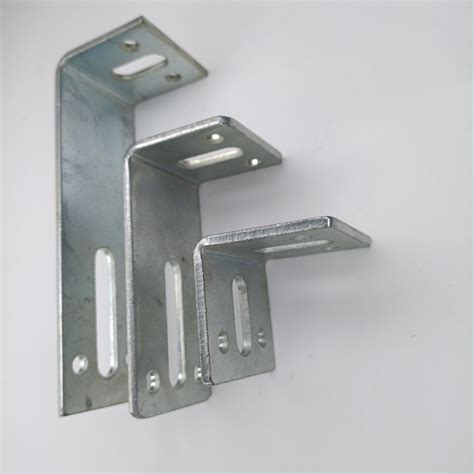
For simpler constructions or added reinforcement, heavy-duty external or internal corner brackets made from galvanized steel or stainless steel are excellent. They add significant strength and prevent corners from pulling apart. You can also add vertical posts at each corner, screwing the bed sides into these posts for robust structural support.
4. Fasteners That Endure
The type of screws or bolts you use is just as important as the joint itself. Opt for fasteners that are rated for outdoor use and resist corrosion:
- Stainless Steel Screws/Bolts: These are the gold standard for outdoor projects. They are highly resistant to rust and corrosion, ensuring your joints remain strong for decades.
- Galvanized Screws/Bolts: Hot-dipped galvanized fasteners offer good corrosion resistance at a lower cost than stainless steel. Ensure they are specifically hot-dipped for the best performance.
- Deck Screws: Many high-quality deck screws are coated for outdoor use and can be a good option for less critical joints or for temporary fastening, but stainless steel or galvanized remain superior for long-term structural integrity.

Additional Tips for Extending Bed Life
- Internal Liner: As mentioned, a food-grade pond liner or heavy-duty plastic sheeting can protect the wood from constant moisture contact with the soil, further extending its life, especially with less rot-resistant woods or treated lumber.
- Proper Drainage: Ensure your raised bed has excellent drainage. Standing water can accelerate wood decay. Consider adding a layer of gravel or hardware cloth at the bottom if placed on impermeable surfaces.
- External Finish: While cedar and redwood don’t strictly require sealing, a non-toxic, food-safe wood sealant or oil designed for outdoor use can add an extra layer of protection against UV rays and moisture, helping to maintain the wood’s appearance and integrity. Avoid finishes that create a film that can peel or crack over time.
- Elevate from Ground: If possible, slightly elevate the bed off the bare ground using rot-resistant blocks or pavers. This prevents capillary action from wicking moisture up into the wood from the soil below.

By carefully selecting naturally rot-resistant wood and employing robust joinery techniques with appropriate fasteners, you can build a raised garden bed that not only looks great but also provides a durable, productive gardening space for many years to come. Invest a little extra upfront in quality materials and construction, and you’ll reap the benefits of a long-lasting garden feature.