


Easiest DIY method to preserve excess garden tomatoes for winter use?
Harvesting the Bounty: Why Preserve Tomatoes?
The joy of a flourishing garden often culminates in an abundant harvest, and few crops are as generous as tomatoes. While there’s nothing quite like a fresh-from-the-vine slice in summer, the challenge often lies in utilizing the sheer volume of fruit before it spoils. Many aspiring home preservers are intimidated by the complexities and equipment required for traditional water bath canning, seeking simpler, less time-consuming alternatives.
The good news is that preserving your garden’s tomato bounty for winter enjoyment doesn’t have to be complicated. Forget sterile jars, boiling water baths, and pressure canners; some of the easiest methods involve minimal fuss, allowing you to capture that peak summer flavor with basic kitchen tools and a freezer.
The Simplest Method: Freezing Whole Tomatoes
For sheer ease, freezing whole tomatoes is unbeatable. This method requires almost no prep work and is incredibly versatile once the tomatoes are thawed. It’s perfect for those who want to process their harvest quickly and deal with specific meal prep later.
Steps:
- Wash: Gently wash your tomatoes under cool water to remove any dirt.
- Core (Optional): If you prefer, you can remove the core, but it’s not strictly necessary as it’s easily removed after thawing.
- Tray Freeze: Place the whole, dry tomatoes in a single layer on a baking sheet or tray. This prevents them from sticking together into a large clump. Place the tray in the freezer for several hours until the tomatoes are solid.
- Bag and Store: Once frozen solid, transfer the tomatoes into freezer-safe bags or containers. Squeeze out as much air as possible to prevent freezer burn. Label with the date.
Usage Tip: When you’re ready to use them, simply run a frozen tomato under warm water, and the skin will slip right off, making them perfect for sauces, soups, and stews. No blanching required!
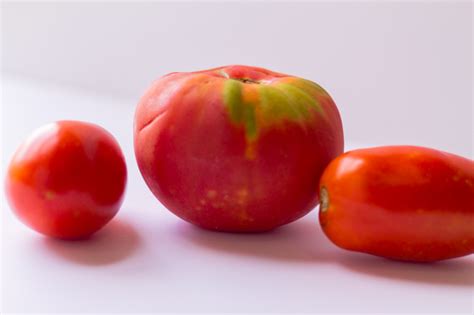
Prepping for Sauce: Freezing Chopped Tomatoes
If you know you’ll primarily be using your tomatoes for sauces, chilis, or stews, a little extra prep upfront can save you time down the line. Freezing chopped or crushed tomatoes makes them ready to go directly into your winter recipes.
Steps:
- Wash and Chop: Wash your tomatoes and roughly chop them into chunks. You can remove the core if desired, but again, it’s not essential. Skins can be left on for extra fiber and flavor, or quickly blanched and peeled if you prefer a smoother sauce.
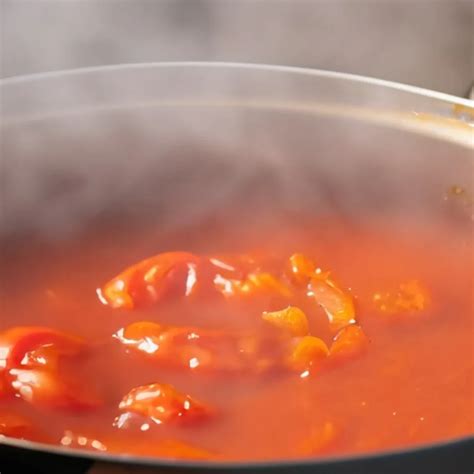
- Optional Simmer: For a more concentrated flavor and to reduce volume, you can simmer the chopped tomatoes in a pot for 15-20 minutes until they break down slightly. This also helps release air.
- Cool and Portion: Allow the cooked (or raw) chopped tomatoes to cool completely. Then, spoon them into freezer-safe containers or bags in recipe-sized portions (e.g., 2-cup amounts).
- Freeze: Seal containers or bags, removing as much air as possible. Label and freeze.
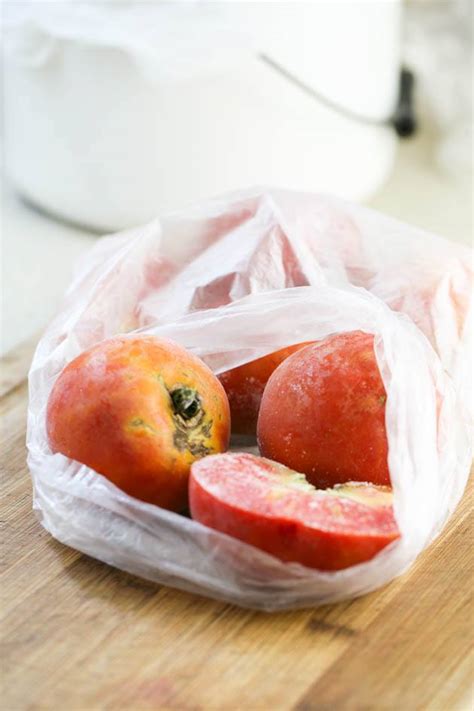
Flavor Forward: Roasting and Freezing Tomatoes
For an intensely flavorful preservation method that deepens the tomato’s natural sweetness, roasting before freezing is a fantastic, yet still easy, option. Roasted tomatoes are superb in pasta sauces, as a side dish, or blended into a rich winter soup.
Steps:
- Prep: Wash your tomatoes and cut them in half or quarters, depending on size. Place them cut-side up on a baking sheet.
- Season: Drizzle with a little olive oil, a pinch of salt, pepper, and perhaps some garlic cloves or herbs like oregano or thyme for extra flavor.
- Roast: Roast in an oven preheated to 350-400°F (175-200°C) for 30-60 minutes, or until the tomatoes are softened, slightly caramelized, and their juices have thickened.
- Cool and Freeze: Allow the roasted tomatoes to cool completely. Then, transfer them to freezer-safe bags or containers, along with any delicious pan juices. Label and freeze.
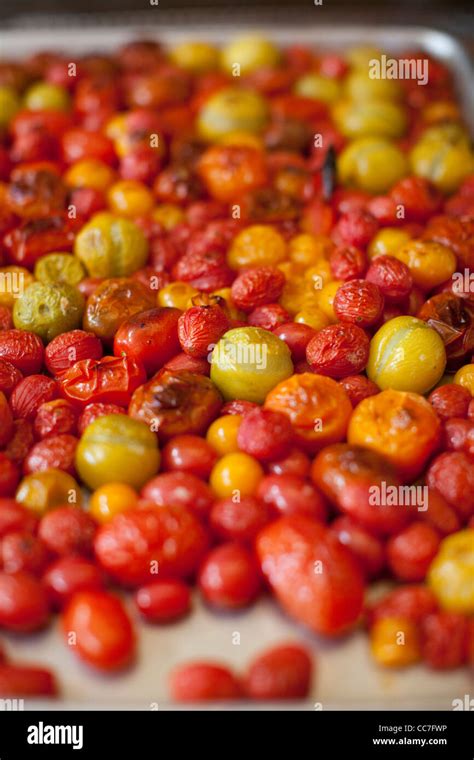
Essential Tips for Successful Freezing
Regardless of the method you choose, a few general tips will ensure your preserved tomatoes taste their best when winter arrives:
- Remove Air: Air is the enemy of frozen food. Use freezer-safe bags and squeeze out as much air as possible before sealing, or use an airtight container.
- Label and Date: Always label your frozen goods with the contents and the date they were frozen. Tomatoes are best used within 6-8 months for optimal quality.
- Portion Wisely: Freeze tomatoes in amounts you’re likely to use for a single meal. This prevents thawing and refreezing, which can degrade quality.
- Quality In, Quality Out: Start with ripe, healthy, unblemished tomatoes for the best results.
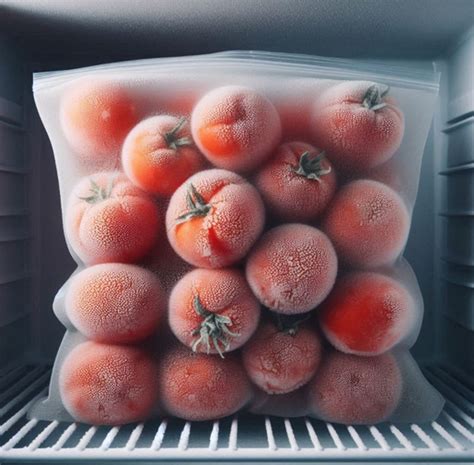
Creative Uses for Your Preserved Tomatoes
Having a stash of frozen garden tomatoes opens up a world of culinary possibilities during the colder months. Here are just a few ideas:
- Winter Soups and Stews: Drop whole frozen tomatoes directly into your slow cooker or soup pot.
- Quick Pasta Sauce: Thaw chopped or roasted tomatoes, simmer with garlic and herbs, and you have a fresh-tasting sauce.
- Chili and Curries: Add depth and flavor to these hearty dishes.
- Pizza Sauce: Blend thawed tomatoes for a simple, homemade pizza base.
- Bruschetta: Roast and thaw, then chop and mix with basil and garlic for a taste of summer.
Enjoying Your Winter Harvest
Preserving excess garden tomatoes doesn’t have to be a daunting task. By embracing simple freezing techniques—whether whole, chopped, or roasted—you can easily extend the bounty of your summer garden into the dreary winter months. Imagine the satisfaction of pulling out a bag of sun-ripened tomatoes in January, knowing they came from your own backyard. These easy DIY methods ensure that fresh, vibrant flavor is always within reach, proving that a little effort now pays off with delicious dividends later.