Easiest DIY plans for a small backyard chicken coop?
Why a Small Backyard Chicken Coop is a Great Idea
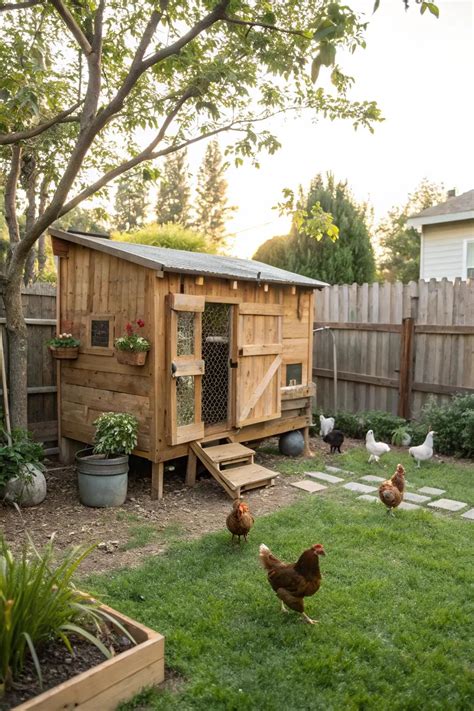
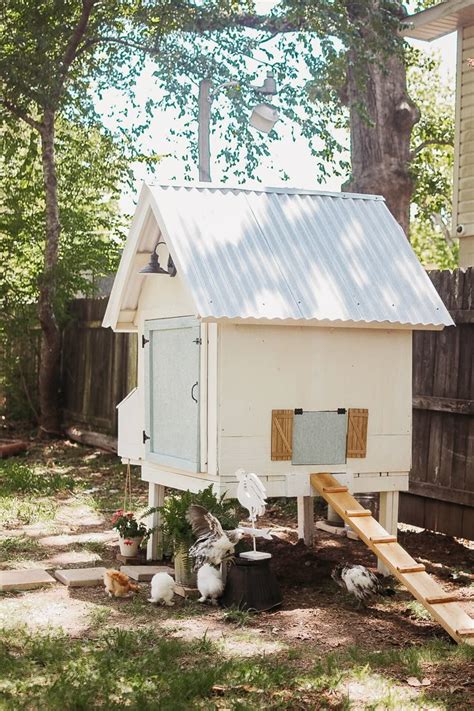
Dreaming of fresh eggs every morning but intimidated by large, complex chicken coop builds? Good news! Creating a small, functional, and adorable chicken coop for your backyard flock doesn’t have to be a daunting task. With a few basic tools and some readily available materials, even a novice can construct a safe and comfortable home for a handful of hens. Small coops are ideal for urban or suburban settings, offering all the benefits of backyard chickens with minimal space requirements and maintenance.
Essential Features for a Simple, Small Coop
Before diving into specific plans, understand the core elements every good chicken coop needs. These features ensure your chickens are healthy, happy, and safe from predators:
- Shelter: Protection from rain, wind, sun, and cold.
- Roosting Bars: Elevated perches for chickens to sleep on at night.
- Nesting Boxes: Private, dark spaces for hens to lay eggs.
- Ventilation: Proper airflow to prevent respiratory issues, but without drafts.
- Predator Protection: Sturdy walls, hardware cloth (not chicken wire) for openings, and secure latches.
- Easy Cleaning: Designs that allow for quick removal of bedding and droppings.
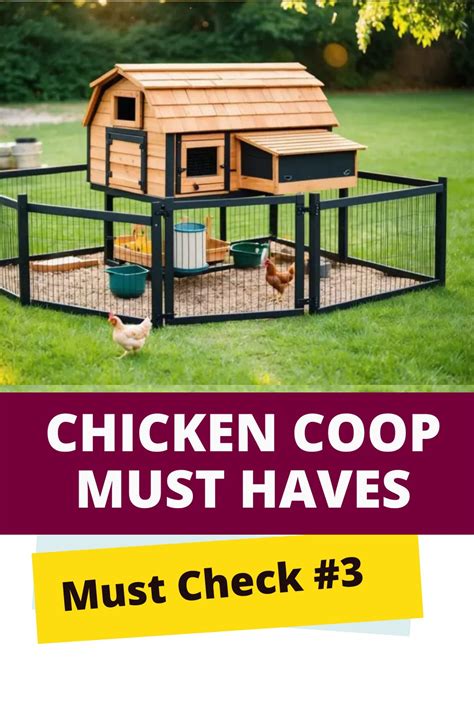
Top Easiest DIY Coop Designs for Beginners
These designs prioritize simplicity, using common materials and straightforward construction techniques:
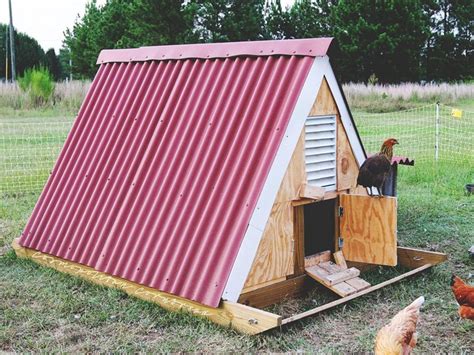
1. The A-Frame Coop
Often considered the simplest design, the A-frame is essentially a triangular structure. It’s stable, requires less material for walls, and the sloped sides naturally shed rain. You can build a small version with a covered run underneath or as a standalone shelter with an attached fenced area. It’s great for 2-4 hens.
2. The Chicken Tractor (Movable Coop)
A chicken tractor is a bottomless, movable coop. It allows your chickens to forage on fresh grass while being protected, fertilizing and weeding small areas of your lawn or garden. These are typically lightweight and easy to pull or push to a new spot daily. Designs range from simple rectangular boxes on wheels to more elaborate A-frames.
3. The Pallet Coop
For the budget-conscious, repurposing wooden shipping pallets can create a surprisingly sturdy and affordable coop. Pallets provide a ready-made frame and wall sections, significantly reducing cutting and measuring. While they require some deconstruction and sanitization, the cost savings are substantial.
Basic Materials & Tools You’ll Need
Regardless of the plan you choose, a small coop typically requires:
- Lumber: 2x4s for framing, plywood or OSB for walls and roof, pine boards for roosts and nest boxes.
- Hardware Cloth: 1/2-inch or 1/4-inch galvanized hardware cloth for windows and ventilation, crucial for predator protection.
- Roofing Material: Asphalt shingles, metal roofing, or even heavy-duty tarp.
- Hardware: Screws, nails, hinges for doors, secure latches.
- Tools: Cordless drill, saw (circular or hand saw), measuring tape, pencil, safety glasses.
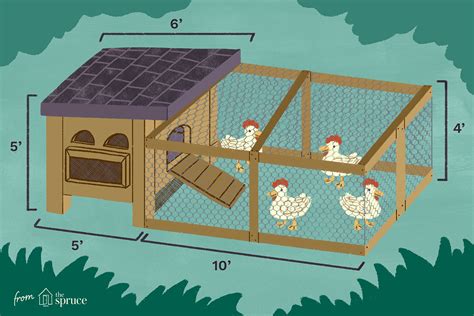
Simplified Steps for Building Your Coop
While specific plans vary, the general process for these easy coops involves:
- Planning & Sketching: Even for a simple coop, draw a basic sketch with dimensions. This helps visualize the structure and material needs.
- Building the Frame: Construct the base and vertical supports using 2x4s.
- Adding Walls & Roof: Attach plywood or other wall material, ensuring all gaps are sealed. Build and attach the roof frame, then add roofing material.
- Installing Interior Elements: Secure roosting bars at varying heights and build simple nesting boxes (an old plastic tote or bucket can even work).
- Ventilation & Predator Proofing: Cut out window openings, cover them securely with hardware cloth, and ensure all doors and access points have strong latches.
- Finishing Touches: Paint or seal the exterior for longevity. Add bedding (straw or pine shavings) to nest boxes and the coop floor.
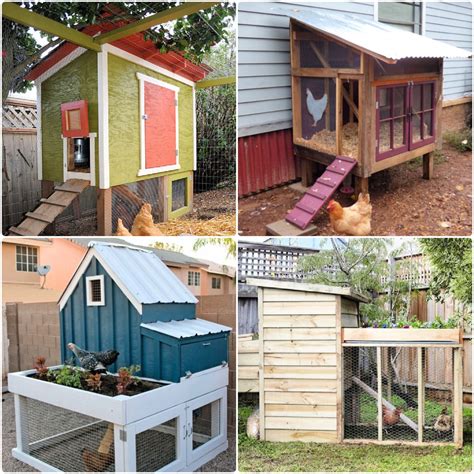
Tips for a Successful DIY Coop Build
- Location Matters: Place your coop on level ground with good drainage, preferably in an area that gets morning sun and afternoon shade.
- Prioritize Ventilation: High vents release hot, moist air, crucial for chicken health, but avoid direct drafts.
- Make Cleaning Easy: Design your coop with large access doors or a removable roof section to make regular cleaning hassle-free.
- Build a Run: While a coop provides shelter, a secure outdoor run is essential for chickens to exercise, dust bathe, and forage safely.
Ready to Build?
With these easy DIY plans and tips, building a small backyard chicken coop is an achievable and rewarding project. Imagine gathering your own fresh eggs each morning, knowing you provided a safe and comfortable home for your flock. So grab your tools, pick a plan, and get ready to enjoy the delightful world of backyard chickens!