
Easiest natural pest control for a thriving organic vegetable garden?
Cultivating a thriving organic vegetable garden is a rewarding endeavor, but it often comes with the challenge of managing unwelcome guests: pests. The good news is that achieving robust, healthy plants without relying on harsh chemicals is not only possible but surprisingly easy with a few natural, proactive strategies. Embracing eco-friendly pest control ensures your harvest is safe for consumption and contributes to a healthier ecosystem right in your backyard.
The Foundation: Healthy Soil and Plants
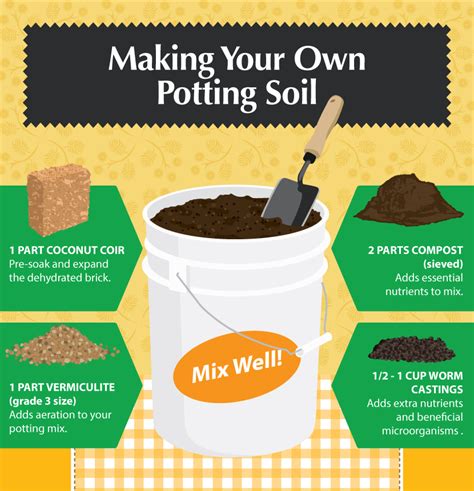
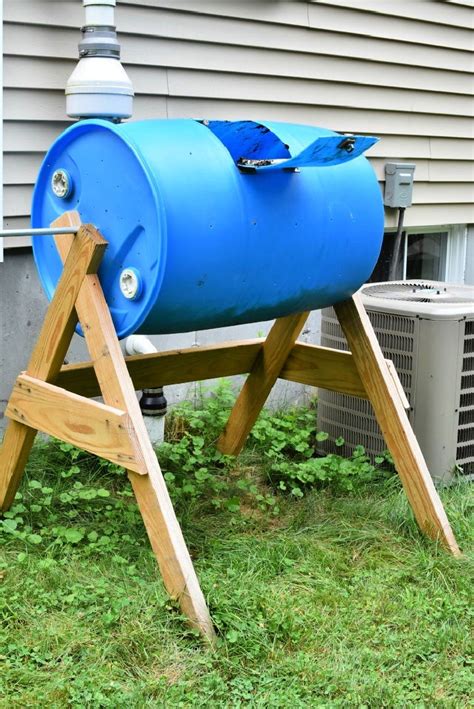
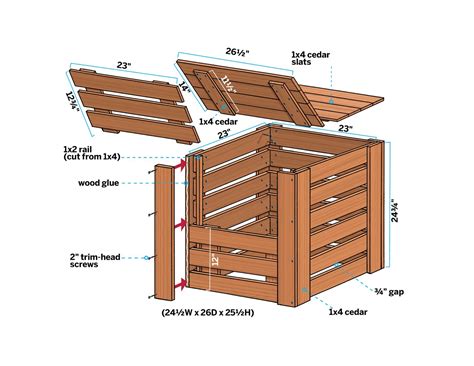
The first line of defense against pests is a strong, healthy plant. Plants grown in rich, well-draining, nutrient-dense soil are inherently more resistant to disease and insect attacks. Focus on building soil health through composting, mulching, and using organic fertilizers. Healthy soil fosters beneficial microorganisms that can even deter root-feeding pests. Additionally, choose plant varieties known to be resistant to common local pests.
Companion Planting: Nature’s Bodyguards
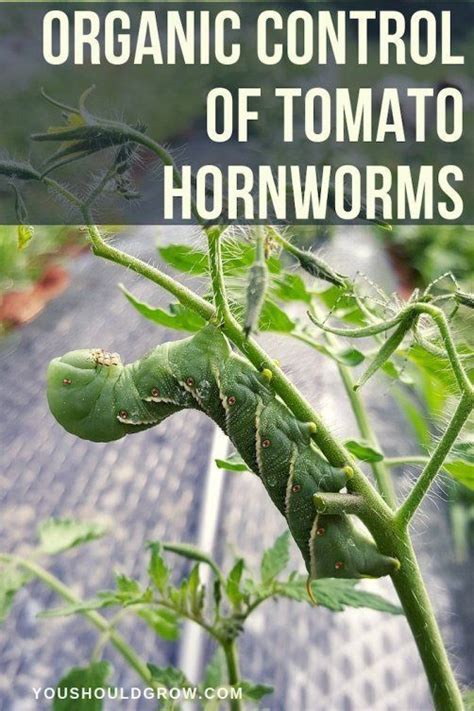
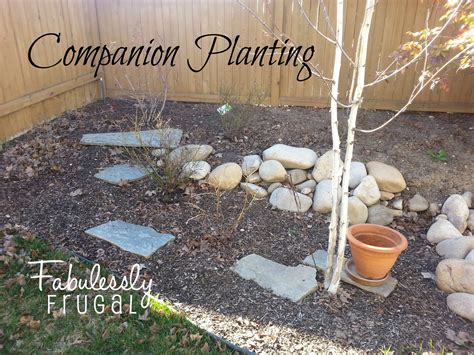
One of the simplest and most effective natural pest control methods is companion planting. Certain plants, when grown together, can deter pests, attract beneficial insects, or improve the growth of their neighbors. Marigolds, for instance, are famed for repelling nematodes and other soil pests. Basil planted near tomatoes can deter hornworms and flies, while nasturtiums act as a trap crop for aphids, drawing them away from more valuable vegetables.
Welcoming Beneficial Insects: Your Garden Allies
Transform your garden into a haven for beneficial insects that prey on common garden pests. Ladybugs devour aphids, lacewings feast on mealybugs and spider mites, and parasitic wasps target caterpillars. Attract these helpful allies by planting flowers rich in nectar and pollen, such as dill, fennel, cosmos, and sunflowers. Avoid broad-spectrum pesticides that kill beneficial insects along with the pests.
Physical Barriers and Manual Removal: Hands-On Protection
Sometimes, the easiest method is the most direct. Row covers can provide an excellent physical barrier against flying insects like cabbage moths and squash bugs, especially during vulnerable seedling stages. For larger pests like slugs and snails, beer traps or copper tape can be effective. Manual removal, though time-consuming for large infestations, is incredibly effective for smaller problems. Simply pick off caterpillars, slugs, or squash bugs by hand and drop them into a bucket of soapy water.

DIY Organic Sprays: Last Resort Solutions
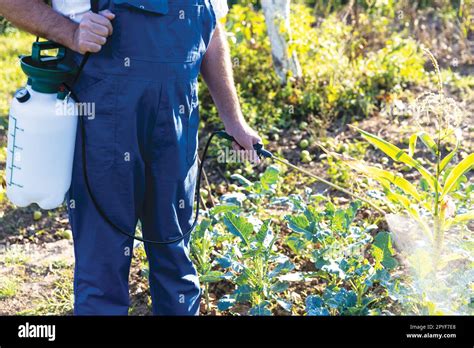
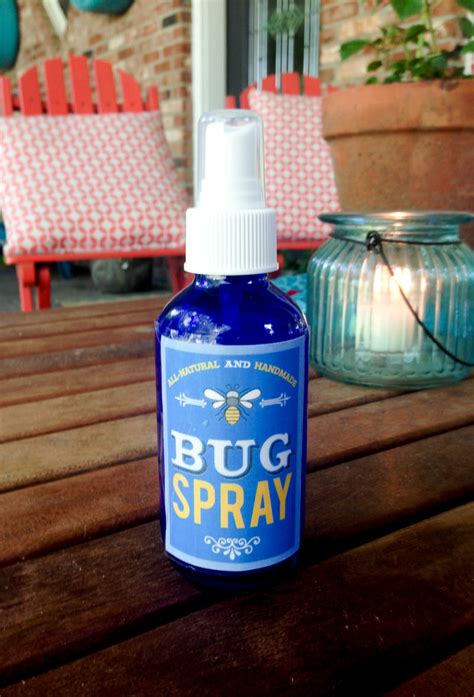
While prevention is key, sometimes an infestation requires a bit more intervention. Homemade organic sprays can offer a targeted solution without harming your plants or beneficial insects. A simple solution of dish soap and water (1-2 tablespoons per gallon of water) can effectively smother soft-bodied insects like aphids and spider mites. Neem oil, derived from the neem tree, is another powerful organic option that disrupts insect feeding and reproduction, effective against a wide range of pests.
Regular Monitoring and Observation: Early Detection is Key
The most crucial aspect of natural pest control is regular vigilance. Spend time in your garden daily, inspecting your plants for any signs of trouble. Look under leaves, along stems, and at new growth for eggs, tiny insects, or signs of damage. Catching a pest problem early makes it much easier to manage with natural methods before it escalates into a full-blown infestation.
Building a thriving organic vegetable garden free from harmful pests doesn’t require harsh chemicals or complicated procedures. By focusing on soil health, strategic planting, encouraging beneficial insects, and diligent observation, you can create a balanced ecosystem where your vegetables flourish naturally. Embrace these easy, natural methods, and enjoy a bountiful, chemical-free harvest year after year.