




Easiest way to preserve garden herbs for winter use?

The vibrant flavors and aromas of fresh garden herbs are a true delight, especially when added to home-cooked meals. However, as the colder months approach, many gardeners face the dilemma of how to extend this bounty beyond the growing season. Fortunately, preserving herbs for winter use doesn’t have to be a complicated affair. There are several incredibly simple methods that allow you to enjoy the taste of summer sunshine in your dishes year-round.
Freezing Herbs: The Ultimate Easy Method
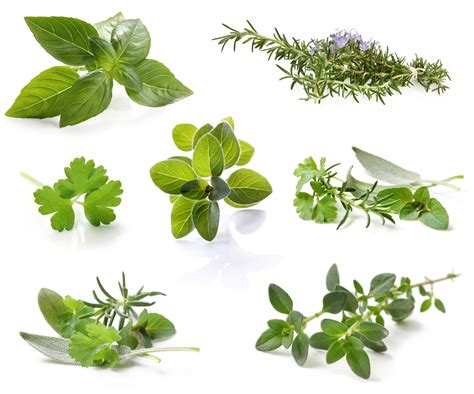
For many herbs, freezing is hands-down the easiest and most effective preservation method, especially for those with high moisture content like basil, parsley, cilantro, chives, and mint. It helps retain their fresh flavor and vibrant color much better than drying.
Method 1: Ice Cube Tray Freezing
This technique is incredibly popular for its simplicity and convenience. Simply chop your clean, dry herbs finely. Pack them into ice cube trays, then fill the trays with a small amount of water, olive oil, or even melted butter. The oil or butter method works particularly well for herbs you plan to sauté, creating pre-portioned flavor bombs ready for your pan. Freeze until solid, then pop the frozen cubes into freezer bags or airtight containers. Label with the herb name and date.
Method 2: Flash Freezing for Whole Leaves
For larger-leafed herbs like basil or sage that you might want to use whole or roughly chopped later, flash freezing is an excellent choice. Lay clean, dry herb leaves in a single layer on a baking sheet. Freeze until solid (this usually takes about an hour or two). Once frozen, transfer the individual leaves to freezer bags, removing as much air as possible before sealing. This prevents them from clumping together, allowing you to grab just a few leaves as needed.
Drying Herbs: A Timeless and Simple Approach
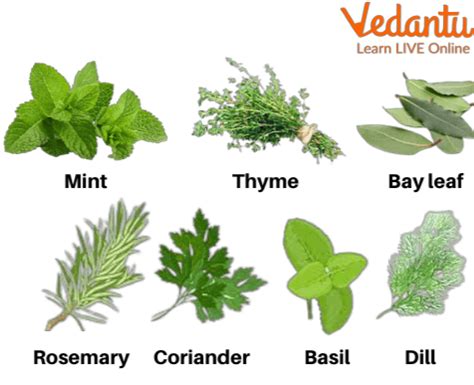
Drying is another wonderfully straightforward way to preserve herbs, particularly those with woody stems and lower moisture content such as rosemary, thyme, oregano, and marjoram. Dried herbs concentrate their flavors and are perfect for long-term storage in your pantry.
Method 1: Air Drying Bundles
This is arguably the most traditional and simplest drying method. Gather small bundles of clean, dry herbs (remove any yellowed or damaged leaves). Tie the stems together with twine or a rubber band. Hang them upside down in a warm, dry, well-ventilated area away from direct sunlight. A pantry, attic, or even a well-ventilated kitchen corner can work. Depending on the humidity and herb type, drying can take one to three weeks. You’ll know they’re ready when the leaves are brittle and crumble easily.
Method 2: Using a Dehydrator or Oven (Low Heat)
For quicker drying or in humid climates, a food dehydrator is an excellent tool. Spread single layers of herbs on dehydrator trays and follow the manufacturer’s instructions for drying herbs (typically at a low temperature, around 95-105°F or 35-40°C). Alternatively, you can use your oven at its lowest possible setting, leaving the oven door ajar to allow moisture to escape. Keep a close eye on them to prevent baking instead of drying.

Beyond Basic Preservation: Herb Butters and Pestos
For a slightly more gourmet (but still easy!) approach, consider turning your fresh herbs into compound butters or pestos. These are fantastic ways to use up large quantities of herbs and store them in a flavorful, ready-to-use format.
Herb Butters
Simply soften unsalted butter and mix in finely chopped fresh herbs like chives, parsley, dill, or thyme, along with a pinch of salt and pepper. Roll the butter into logs using parchment paper or plastic wrap, then chill until firm. Once firm, you can slice off portions as needed or freeze the logs for longer storage. These are wonderful on roasted vegetables, grilled meats, or slathered on warm bread.
Homemade Pestos
Pesto isn’t just for basil! While basil pesto is classic, you can make delicious pestos with parsley, cilantro, arugula, or even a mix of greens. Blend your chosen herbs with garlic, nuts (pine nuts, walnuts, almonds), Parmesan cheese, and olive oil until smooth. Store in an airtight container in the fridge with a thin layer of olive oil on top to prevent browning, or freeze in small portions (e.g., ice cube trays) for up to several months.
Proper Storage for Long-Lasting Freshness
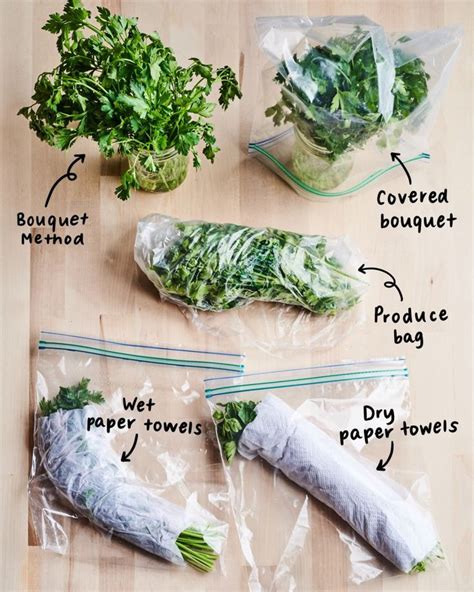
No matter which method you choose, proper storage is key to ensuring your preserved herbs retain their flavor and potency. Always use airtight containers for dried herbs to protect them from moisture and light. Store them in a cool, dark pantry. Frozen herbs should be kept in freezer-safe bags or containers, again, removing as much air as possible to prevent freezer burn.
Embrace Your Winter Harvest
With these easy and effective preservation methods, you can confidently transform your abundant summer garden into a year-round supply of fresh, aromatic herbs. Experiment with different techniques to find what works best for your favorite herbs and enjoy the taste of your garden no matter the season!