Easiest ways to preserve a bountiful homestead garden harvest?

The bounty of a homestead garden is one of life’s greatest rewards, but with it comes the delightful challenge of preserving the harvest before it spoils. Fortunately, you don’t need elaborate equipment or years of experience to keep your homegrown goodness lasting through the colder months. Here are some of the easiest and most effective ways to preserve your garden’s treasures.
Freezing: The Ultimate Convenience
Freezing is arguably the simplest method for preserving a wide variety of fruits and vegetables, locking in nutrients and flavor with minimal effort. Most vegetables benefit from blanching (briefly boiling then plunging into ice water) before freezing to stop enzyme action and maintain color and texture. Fruits, on the other hand, can often be frozen raw, either whole or sliced.

For items like berries or chopped peppers, flash freezing on a baking sheet before transferring to freezer bags prevents clumping, making it easier to use small portions later. Label everything with the date to keep track of freshness.
Dehydrating: Concentrated Flavor and Shelf Stability
Drying removes moisture, inhibiting spoilage and concentrating flavors, making it perfect for herbs, fruit leathers, and even vegetable chips. A simple food dehydrator is a great investment, but you can also use your oven on its lowest setting with the door ajar, or even sun-dry in hot, dry climates.
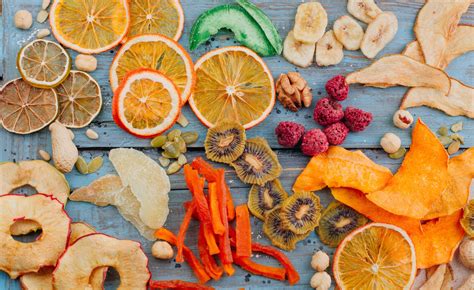
Herbs dry beautifully hung in bunches in a warm, airy room. Dried foods are lightweight and take up little space, making them ideal for long-term pantry storage or hiking snacks.
Water Bath Canning: Sweet Jams and Tangy Pickles
For high-acid foods like fruits, jams, jellies, pickles, and tomatoes (with added acid), water bath canning is a safe and satisfying method. While it requires a bit more equipment than freezing or drying, the process is straightforward once you get the hang of it. Clean, sterilized jars, a large pot with a rack, and a reliable recipe are your essentials.

The joy of opening a jar of homemade strawberry jam or dill pickles in the dead of winter is unparalleled. Always follow tested recipes to ensure safety and proper sealing.
Fermentation: Ancient Wisdom for Modern Health
Fermentation is a wonderfully simple and healthy way to preserve vegetables, transforming them into probiotic-rich foods like sauerkraut, kimchi, and lacto-fermented pickles. It primarily involves salt, vegetables, and time. No fancy equipment is needed beyond clean jars and perhaps an airlock lid or weights.
This method not only extends the life of your produce but also enhances its nutritional value and creates unique, complex flavors. It’s a low-tech, high-reward approach to food preservation.
Root Cellaring and Cool Storage: Nature’s Refrigerator
Many root vegetables (carrots, potatoes, beets), winter squash, apples, and cabbages can be stored for months in a cool, dark, and humid environment – a root cellar. If a dedicated cellar isn’t an option, a cool basement, unheated garage, or even a buried garbage can can serve the purpose.
The key is consistent temperature (just above freezing) and humidity to prevent drying out and sprouting. Proper preparation, such as curing squash or allowing potatoes to “green off” in the sun, can significantly improve storage life.
Conclusion: Enjoying Your Garden All Year Round
Preserving your garden harvest doesn’t have to be daunting. By choosing methods that fit your lifestyle and the types of produce you grow, you can enjoy the delicious, healthy benefits of your hard work long after the growing season ends. Start with one or two methods that appeal to you and expand your preservation repertoire as you gain confidence. Your future self will thank you for that taste of summer in the depths of winter.