Easiest ways to preserve garden tomatoes for winter use?
As summer winds down and your garden tomatoes ripen in abundance, the thought of enjoying their fresh flavor long after the season ends becomes a delightful prospect. Fortunately, preserving tomatoes doesn’t have to be a daunting task. There are several straightforward methods that allow you to capture their delicious essence for winter stews, sauces, and countless other dishes.
Freezing Tomatoes: The Ultimate Shortcut
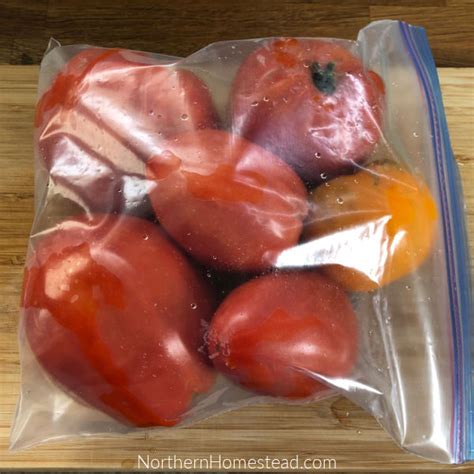
Freezing is arguably the easiest and least labor-intensive way to preserve tomatoes. You don’t need any special equipment beyond freezer bags or containers. For whole or halved tomatoes, simply wash them, remove the core, and place them on a baking sheet to freeze individually. Once solid, transfer them to freezer bags. This prevents them from sticking together, allowing you to grab just what you need later. When ready to use, their skins will easily slip off under warm water, and they’ll be perfect for sauces or soups.
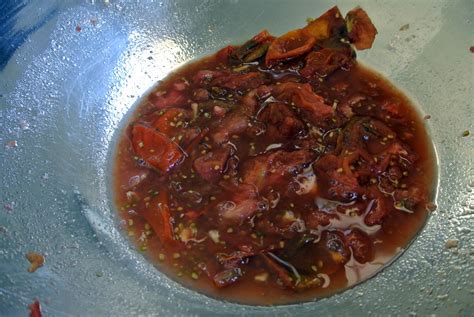
Alternatively, you can chop or purée your tomatoes before freezing. This method is excellent for creating a base for sauces or salsas. Cook them down slightly, season as desired, and then freeze in portions. Freezing preserves most of the fresh flavor and nutrients, making it a fantastic go-to option for busy gardeners.
Basic Canning: Water Bath Simplicity
While canning might sound intimidating, basic water bath canning for high-acid foods like tomatoes is quite simple and provides shelf-stable jars that don’t require freezer space. The key is to use a tested recipe to ensure safety. You can can whole, halved, crushed, or diced tomatoes. The process involves washing and preparing your tomatoes, packing them into sterilized jars, adding a bit of lemon juice or citric acid for acidity, and then processing them in a boiling water bath for a specified time.
This method transforms your fresh harvest into ready-to-use ingredients for chili, pasta sauces, or soups. It requires a large pot with a rack, canning jars, lids, and rings. Once you’ve done it once, you’ll realize just how rewarding and straightforward it is.

Oven or Dehydrator Drying: Concentrated Flavor
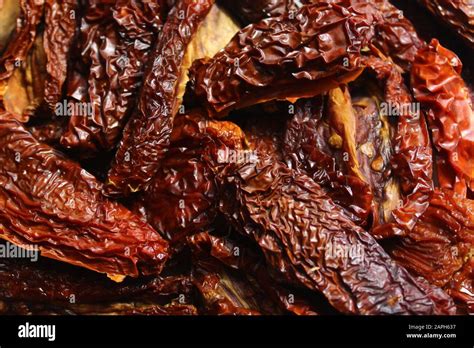
Drying tomatoes concentrates their flavor into chewy, intense bites perfect for salads, pastas, or as a snack. You can achieve this using a food dehydrator or even your oven on its lowest setting. Slice tomatoes (Roma or paste varieties work best) about 1/4 inch thick, arrange them on dehydrator trays or baking sheets lined with parchment paper, and dry until pliable but no longer moist.
Store dried tomatoes in airtight containers in a cool, dark place. For an extra treat, pack them in olive oil with herbs once they are fully dried; just be sure to refrigerate oil-packed tomatoes to prevent botulism. The rich, sweet flavor of sun-dried (or oven-dried) tomatoes is unmatched and a delicious way to enjoy your harvest.
Simple Tomato Sauce or Paste
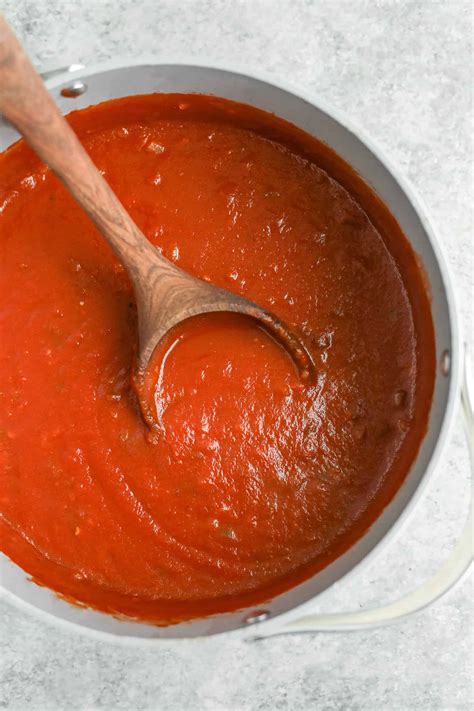
Making a large batch of simple tomato sauce or paste is a fantastic way to preserve a significant quantity of tomatoes. Cook down your chopped tomatoes slowly, allowing the moisture to evaporate and the flavors to deepen. For sauce, you can add herbs, garlic, and onions. For paste, continue reducing until it’s a thick, concentrated consistency.
Once cooled, the sauce or paste can be frozen in containers or freezer bags. If you prefer, it can also be safely canned using a water bath method (ensure proper acidity if not following a tested sauce recipe with added acid). This yields a versatile product that’s ready for countless winter meals, saving you time and money.
Tips for Success
- Choose Ripe Tomatoes: Use only ripe, unblemished tomatoes for the best flavor and safest preservation.
- Wash Thoroughly: Always wash tomatoes thoroughly before processing.
- Sterilize: When canning, ensure all jars and lids are properly sterilized.
- Label Everything: Clearly label your preserved goods with the date and contents.
- Small Batches: If new to preserving, start with small batches to build confidence.
Preserving your garden’s tomato bounty is a deeply satisfying process that connects you to your harvest all year long. Whether you choose the quick ease of freezing, the shelf-stable reliability of canning, or the concentrated flavor of drying, you’ll be well-equipped to enjoy the taste of summer sunshine throughout the cold winter months.