Easy composting for kitchen scraps & garden waste?

Tired of throwing away valuable organic matter that could enrich your garden? Composting is a fantastic way to transform kitchen scraps and garden waste into nutrient-rich ‘black gold’ for your plants, reducing landfill waste and fostering healthier soil. And the good news is, it’s much easier than you might think!
Why Bother with Composting?
Composting isn’t just about diverting waste; it’s about creating a powerful amendment for your garden. Compost improves soil structure, enhances water retention, suppresses plant diseases and pests, and reduces the need for chemical fertilizers. It’s a cornerstone of sustainable gardening, making your plants happier and the planet healthier.

What Can You Compost? The Green and Brown Balance
Successful composting relies on a good balance of ‘greens’ and ‘browns’.
- Greens (Nitrogen-rich): These include fresh kitchen scraps like fruit and vegetable peels, coffee grounds, tea bags, grass clippings, and fresh plant trimmings. They provide nitrogen and moisture, helping the pile heat up.
- Browns (Carbon-rich): Think dried leaves, shredded newspaper, cardboard, wood chips, straw, and dead plants. Browns provide structure and air circulation to the pile, preventing it from becoming slimy or smelly.
Aim for roughly a 50/50 mix of greens and browns by volume, or a 1:2 ratio of greens to browns by weight. Avoid adding meat, dairy, oily foods, diseased plants, or pet waste, as these can attract pests and introduce pathogens.

Simple Composting Methods for Every Home
1. Traditional Compost Bin or Pile
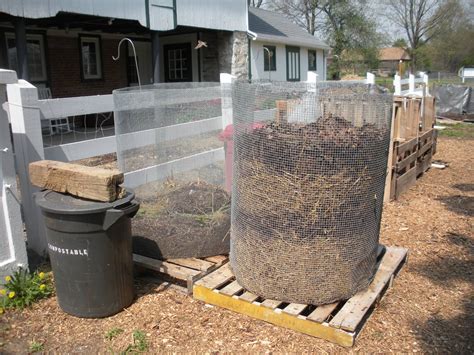
This is the classic method. Choose a spot in your garden that’s easily accessible but out of the main view. You can build a simple three-sided bin from pallets, use a store-bought plastic bin, or simply create an open pile. Layer your greens and browns, keeping them moist (like a wrung-out sponge), and turn the pile regularly (weekly to monthly) to aerate it and speed up decomposition.
2. Tumbler Composter
For those who prefer a tidier, faster approach, a compost tumbler is ideal. These sealed containers rotate, making turning the compost effortless. They’re great for smaller spaces and can produce finished compost in a matter of weeks to months, especially in warmer climates.
3. Vermicomposting (Worm Composting)
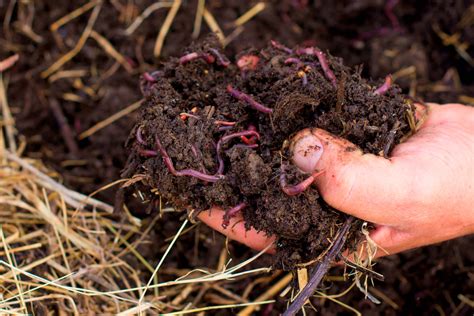
If you have limited outdoor space or want to compost indoors, vermicomposting is a fantastic solution. Red wiggler worms do all the work, munching through your kitchen scraps (especially fruit and veg peels) and producing incredibly rich compost (worm castings). A worm bin is compact, odor-free if maintained correctly, and perfect for smaller households.
4. Trench Composting (Dig and Drop)
The simplest method of all! Dig a trench or hole directly in your garden bed (away from plant roots), bury your kitchen scraps, and cover them with soil. The microbes and worms in the soil will break down the waste directly where it’s needed, enriching the soil over time. This is a passive, low-effort method ideal for small amounts of scraps.
Keys to Composting Success
- Chop it up: Smaller pieces break down faster.
- Keep it moist: The pile should feel damp, not waterlogged or bone dry.
- Aerate regularly: Turning the pile introduces oxygen, which is essential for beneficial microbes.
- Be patient: Decomposition takes time. Depending on your method and conditions, finished compost can take anywhere from a few weeks to several months.
With just a little effort, you can transform your everyday kitchen and garden waste into a valuable resource. Your garden will thank you, and you’ll be contributing to a more sustainable planet, one rich scoop of compost at a time!