


Easy DIY chicken coop plans for backyard layers?

Embracing Backyard Chickens: Why a DIY Coop is Your Best First Step
There’s a unique satisfaction in collecting fresh eggs from your own backyard flock. Raising chickens offers a connection to nature, a sustainable food source, and even charming companionship. For many aspiring chicken keepers, the initial hurdle often involves providing a safe, comfortable, and functional home for their feathered friends. While store-bought coops are an option, building your own DIY chicken coop can be a rewarding project that saves money, allows for customization, and teaches valuable skills.
This article will guide you through the essentials of creating an easy DIY chicken coop, focusing on practical plans suitable for backyard layers. You don’t need advanced carpentry skills to build a functional and attractive coop; just a willingness to learn and a few basic tools.
The Benefits of Building Your Own Coop
Opting for a DIY chicken coop comes with a host of advantages. Firstly, it’s often significantly more cost-effective than purchasing a pre-made coop, especially if you can source recycled or reclaimed materials. Secondly, a DIY approach allows you to tailor the coop precisely to your flock’s size, your yard’s dimensions, and your specific climate. You can add extra features like larger runs, specific ventilation, or unique aesthetic touches that commercial coops might lack. Beyond the practical benefits, there’s immense pride in stepping back and admiring a structure you’ve built with your own hands, knowing it provides a safe haven for your layers.
Key Considerations for Your Easy Coop Plan
Before you even pick up a hammer, it’s crucial to consider a few fundamental aspects that will ensure your coop is successful:
- Size Matters: A good rule of thumb is 2-4 square feet per chicken inside the coop and 8-10 square feet per chicken in the run. Overcrowding leads to stress and health issues.
- Predator Protection: This is paramount. Use hardware cloth (not chicken wire) for ventilation openings and run walls, burying it several inches deep around the perimeter to deter digging predators. Secure latches are a must.
- Ventilation: Chickens need fresh air, even in winter. High vents allow heat and ammonia to escape, while lower vents provide fresh air. Ensure ventilation is predator-proof.
- Weather Protection: Your coop needs to protect birds from rain, snow, wind, and extreme temperatures. A solid roof and draft-free walls are essential.
- Easy Cleaning: Design for accessibility. Removable droppings boards under roosts, large access doors, and smooth interior surfaces simplify the often-dirty task of cleaning.
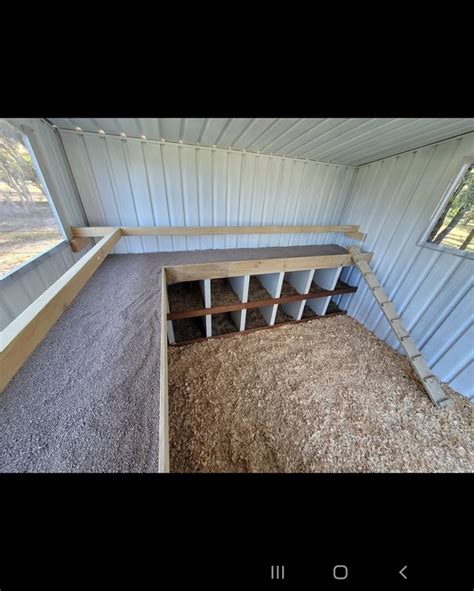
- Nesting Boxes: Provide one nesting box for every 3-4 hens. They should be dark, quiet, and easily accessible from outside the coop for egg collection.
- Roosting Bars: Chickens instinctively roost at night. Provide sturdy bars 2-4 feet off the ground, ensuring enough space for all birds to perch comfortably.
Simple Design Ideas for Beginner Builders
You don’t need to be an architect to build a great coop. Here are a few easy-to-construct designs perfect for backyard layers:
The A-Frame Coop
One of the simplest designs, the A-frame is basically two large panels joined at the top, forming a triangle. The sides can be clad in plywood or repurposed materials, with one end featuring a door and the other a ventilation opening. Often, the run can be integrated directly underneath or attached to one side. Its sloped sides are great for shedding rain and snow.
The Basic Shed-Style Coop
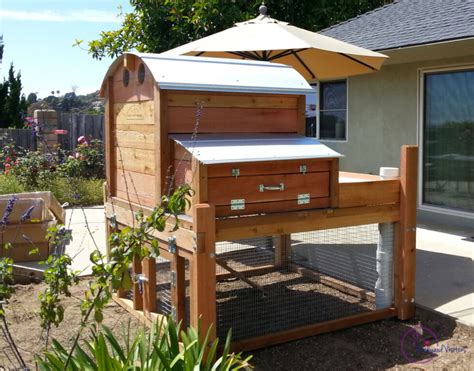
Think of it as a small, elevated shed. This design offers a good amount of interior space and is relatively straightforward to build with standard lumber and plywood. It allows for easy installation of windows, doors, and proper ventilation. Elevating it keeps the floor dry and provides shaded space underneath.
The Chicken Tractor (Mobile Coop)
Ideal for smaller flocks, a chicken tractor is a mobile coop and run combination that can be moved around your yard. This allows your chickens to forage on fresh ground daily, fertilizing and controlling pests in different areas. While requiring a bit more planning for portability, many designs are quite simple, resembling an elongated A-frame or a lightweight shed on wheels.

Step-by-Step Guidance for Your DIY Project
- Plan & Sketch: Draw out your design, including dimensions. Consider your flock size and local regulations.
- Gather Materials: Lumber (pressure-treated for ground contact), plywood, hardware cloth, roofing material (shingles, metal, or tarpaper), hinges, latches, screws/nails. Check local hardware stores or even salvage yards for budget-friendly options.
- Build the Base: Construct a sturdy foundation. If elevating, build the legs and frame for the coop floor.
- Frame the Walls: Assemble wall frames using 2x2s or 2x4s, ensuring openings for doors, windows, and vents.
- Add Siding & Roofing: Attach plywood or other siding materials to the frames. Install the roof structure and then the roofing material, ensuring it’s watertight.
- Install Interior Features: Add roosting bars, nesting boxes, and attach hardware cloth to all ventilation openings.
- Build the Run: Construct an attached run using lumber and hardware cloth, burying the cloth to prevent digging.
- Final Touches: Install doors, ramps, latches, and paint/seal the exterior for longevity.

Maintenance for a Happy, Healthy Flock
Even the most perfectly built coop requires regular maintenance. Daily tasks include collecting eggs and checking food/water. Weekly, you’ll need to remove droppings (especially from under roosts) and refresh bedding. Monthly or quarterly, a deeper clean is necessary, including scrubbing surfaces and replacing all bedding. Regularly inspect your coop for any signs of wear and tear, loose hardware cloth, or potential predator entry points. A well-maintained coop ensures a healthy environment for your chickens and extends the life of your DIY project.

Conclusion: Your Backyard Flock Awaits
Building an easy DIY chicken coop is a rewarding venture that empowers you to create the perfect home for your backyard layers. By focusing on essential needs like predator protection, ventilation, and ease of cleaning, even a beginner can construct a durable and comfortable coop. Embrace the challenge, enjoy the process, and soon you’ll be enjoying fresh eggs from your happy, healthy flock housed in a coop you built yourself. Happy building!