Easy DIY: How to preserve garden harvest without canning?

Unlock Your Garden’s Potential: Preservation Beyond the Can
As your garden flourishes and bountiful harvests start rolling in, you might find yourself with more produce than you can possibly consume fresh. While canning is a time-honored tradition, it’s not the only way to preserve your precious fruits and vegetables. Many fantastic, low-effort methods require no special canning equipment, making them perfect for beginners or anyone looking for alternative ways to extend their harvest’s shelf life. Let’s explore some easy DIY techniques to keep your garden’s goodness lasting all year long.
Freezing: The Ultimate Convenience
Freezing is arguably one of the simplest and most effective methods for preserving a wide variety of garden produce. It locks in nutrients and flavor, and most foods require minimal preparation. Blanching (briefly boiling then chilling in ice water) is crucial for many vegetables like green beans, broccoli, and corn to halt enzyme action, which prevents flavor and color degradation. Fruits, on the other hand, can often be frozen raw, either whole, sliced, or pureed.
Simply wash, chop (if desired), blanch (if necessary), cool completely, and then spread on a baking sheet to flash freeze. Once solid, transfer to freezer-safe bags or containers, removing as much air as possible to prevent freezer burn. This method works wonderfully for berries, peas, corn, peppers, and even herbs.

Dehydrating: Concentrating Flavor and Nutrients
Drying, or dehydrating, removes moisture from food, inhibiting bacterial growth and concentrating flavors. This method is excellent for herbs, fruits, and many vegetables. You can use a dedicated food dehydrator, a low oven, or even direct sunlight in dry climates.
For herbs, simply hang them in bundles in a warm, dry, well-ventilated area until brittle. For fruits like apples, pears, and berries, slice them thinly and arrange them in a single layer on dehydrator trays. Vegetables such as tomatoes, zucchini, and carrots also dry well. Store dried foods in airtight containers in a cool, dark place, and they can last for months, providing convenient snacks or ingredients for cooking.
Fermentation: A Living Preservation Method
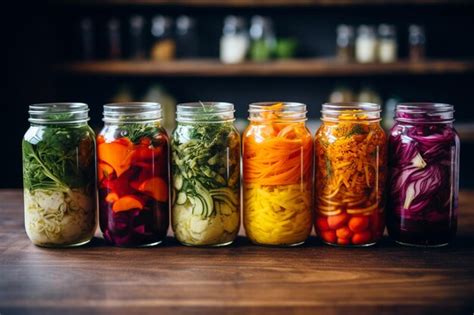
Fermentation is an ancient technique that not only preserves food but also enhances its nutritional value and introduces beneficial probiotics. It involves using salt or a starter culture to encourage the growth of good bacteria, which convert sugars into lactic acid, pickling the food naturally. Popular fermented foods include sauerkraut, kimchi, and various pickled vegetables.
To ferment, chop or shred your chosen vegetables (cabbage, carrots, cucumbers), mix with salt, and pack them tightly into a clean jar. Ensure the vegetables are submerged under their own brine (or added brine) to create an anaerobic environment. Cover with an airlock or a loose lid and let sit at room temperature for several days to weeks, depending on the recipe and desired tanginess. Once fermented, store in the refrigerator to slow the process.
Root Cellaring and Cool Storage: Nature’s Refrigerator
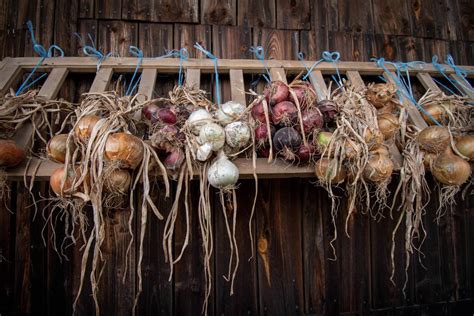
For certain root vegetables and fruits, a simple cool, dark, and humid environment can be the best preservation method. A true root cellar isn’t necessary; a cool basement, an unheated garage, or even a sheltered corner of your yard can work. Crops like potatoes, carrots, beets, onions, winter squash, and apples thrive in these conditions.
Harvest your produce carefully, ensuring no bruises or damage. Allow items like onions and squash to cure for a period before storage. Store potatoes and apples separately as they emit gases that can affect each other. Pack root vegetables in damp sand, sawdust, or peat moss to maintain humidity, and ensure good air circulation to prevent spoilage. Regularly check your stored goods for any signs of rot.
Oil Packing and Vinegar Pickling (No Water Bath)
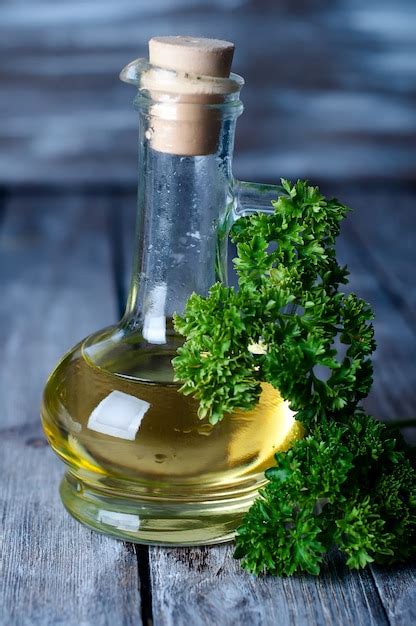
Certain foods can be preserved by submerging them in oil or a vinegar solution, without the need for traditional water bath canning. Herbs like basil, oregano, and rosemary can be finely chopped and packed into jars with olive oil, then refrigerated. This method is excellent for making flavored oils or for having fresh herbs ready for cooking.
Quick pickling in vinegar is another simple method for items like cucumbers, onions, and peppers. While not shelf-stable like canned pickles, these refrigerator pickles offer a fantastic tangy crunch for weeks. Simply slice your vegetables, pack them into jars, and cover with a hot brine of vinegar, water, salt, and spices. Once cooled, store in the refrigerator.
Embrace the Simplicity
Preserving your garden’s bounty doesn’t have to be complicated or intimidating. By exploring these no-canning methods, you can significantly reduce waste, enjoy your homegrown goodness long after the season ends, and discover new flavors and textures. Experiment with different techniques to find what works best for your harvest and your lifestyle. Happy preserving!