
Easy DIY organic pest sprays for common vegetable garden insects?

Protecting your vegetable garden from common insect pests doesn’t always require harsh chemical solutions. With a little effort and common household ingredients, you can whip up effective, organic pest sprays that keep your plants healthy and your produce safe to eat. Embracing DIY organic pest control is not only cost-effective but also environmentally friendly, preserving beneficial insects and the delicate ecosystem of your garden.
Why Choose Organic Pest Control?
Organic pest control methods focus on natural deterrents and treatments that don’t harm the environment, pollinators, or your family. Unlike synthetic pesticides, homemade organic sprays break down quickly and don’t leave harmful residues on your crops. They are a gentle yet powerful way to manage infestations, ensuring your garden remains a safe haven for growth.
General Tips Before You Spray
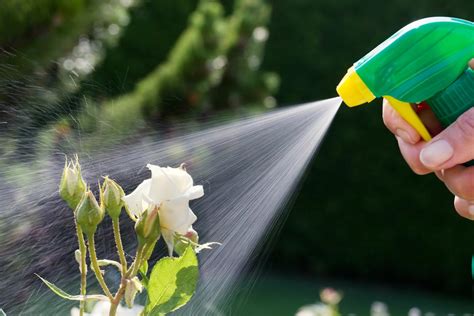
Before applying any spray, even organic ones, a few crucial steps can ensure effectiveness and plant safety:
- Identify the Pest: Knowing your enemy helps you choose the most effective spray.
- Test First: Always test a small area of a plant first and wait 24-48 hours to ensure there’s no adverse reaction, especially on young or stressed plants.
- Spray in the Evening: This reduces the risk of leaf burn from the sun and protects beneficial insects like bees, which are less active at dusk.
- Be Thorough: Pests often hide on the undersides of leaves, so spray thoroughly.
- Reapply as Needed: Organic sprays usually require more frequent application than chemical ones, especially after rain.
Easy DIY Organic Pest Spray Recipes
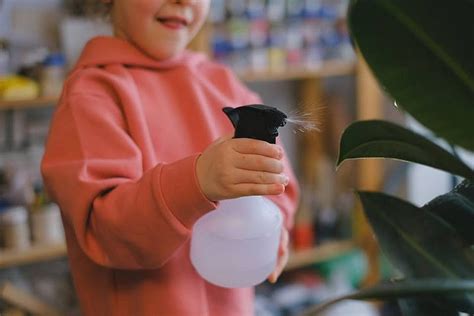
1. Insecticidal Soap Spray
This is a go-to for soft-bodied insects like aphids, whiteflies, spider mites, and mealybugs. The soap suffocates them by breaking down their protective outer layer.
Ingredients:
- 1 tablespoon mild liquid dish soap (avoid detergents with degreasers or bleach)
- 1 quart water
Instructions: Mix well in a spray bottle. Spray directly onto affected plants, ensuring coverage on both top and bottom of leaves.
2. Garlic Spray
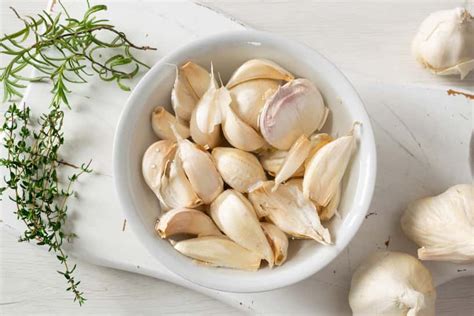
Garlic is a powerful natural repellent that can deter a wide range of pests, including aphids, slugs, Japanese beetles, and even some fungi. Its strong odor is the key.
Ingredients:
- 6-8 cloves of garlic, minced
- 1/2 cup water
- 1 teaspoon liquid dish soap (optional, as an emulsifier)
Instructions: Blend minced garlic with 1/2 cup water. Let it sit for at least 12-24 hours. Strain the mixture, discarding solids. Add the strained liquid to 1 quart of water (and optional soap). Spray plants thoroughly.
3. Neem Oil Spray (from concentrate)
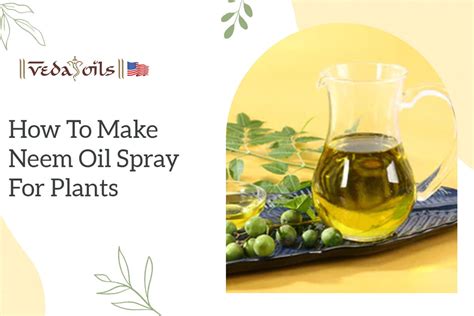
While often purchased as a concentrate, diluting neem oil makes it a powerful organic DIY solution. It works as an insecticide, fungicide, and miticide, disrupting the feeding and life cycle of many pests without harming beneficial insects or mammals.
Ingredients:
- 1-2 tablespoons 100% cold-pressed neem oil
- 1 teaspoon mild liquid dish soap (as an emulsifier)
- 1 gallon warm water
Instructions: Mix the soap and neem oil first, then gradually add warm water while stirring constantly. The soap helps the oil mix with water. Spray immediately and thoroughly, especially the undersides of leaves. Do not store mixed neem oil solution; make a fresh batch for each application.
4. Hot Pepper Spray
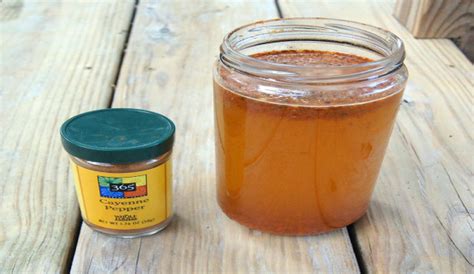
Capsaicin, the compound that gives peppers their heat, is an excellent repellent for many chewing insects and mammals, as they dislike the burning sensation. This can deter aphids, spider mites, cabbageworms, and even rabbits.
Ingredients:
- 1/2 cup hot peppers (cayenne, habanero, jalapeno), finely chopped or pureed
- 1 quart water
- 1 teaspoon liquid dish soap (optional, as an emulsifier)
Instructions: Boil chopped peppers in water for 15-20 minutes. Let it cool completely, then strain out the pepper solids. Add optional soap. Dilute 1/4 cup of this concentrate with 1 quart of fresh water before spraying. Use caution when handling and applying, as it can irritate skin and eyes.
Beyond Sprays: Preventative Measures
While sprays are effective for active infestations, prevention is always the best defense:
- Companion Planting: Plant herbs and flowers that naturally repel pests (e.g., marigolds, nasturtiums, basil) or attract beneficial insects.
- Good Garden Hygiene: Remove weeds and plant debris where pests can hide or lay eggs.
- Crop Rotation: Rotate your crops annually to break pest cycles in the soil.
- Regular Inspection: Catching infestations early makes them much easier to manage.
- Healthy Soil: Strong, healthy plants are more resistant to pest attacks.
Conclusion
Creating your own organic pest sprays is a rewarding and effective way to maintain a healthy, thriving vegetable garden. By understanding the principles of organic pest control and utilizing simple, natural ingredients, you can protect your plants from common invaders without resorting to harmful chemicals. Embrace these DIY solutions and enjoy a bountiful, chemical-free harvest from your garden!