Easy DIY raised garden bed plans using salvaged wood?

Why Build a Raised Garden Bed with Salvaged Wood?
Raised garden beds offer a multitude of benefits for gardeners of all skill levels. They provide better drainage, extend the growing season, reduce back strain, and can even deter some pests. When you choose to build one using salvaged wood, you’re not only saving money but also making an eco-conscious decision by repurposing materials that might otherwise end up in a landfill. It’s a win-win for your wallet and the planet!
This guide will walk you through simple steps to create a sturdy and attractive raised garden bed using reclaimed wood. Whether you’re a seasoned DIYer or just starting, these plans are designed to be straightforward and achievable.
Benefits of Raised Beds & Salvaged Materials
Enhanced Growing Conditions
- Improved Drainage: Raised beds prevent soil compaction and waterlogging, crucial for healthy root development.
- Better Soil Control: You get to choose and create the ideal soil mix, free from rocks, weeds, and compacted dirt.
- Extended Season: The soil in raised beds warms faster in spring, allowing for earlier planting.
Sustainable & Cost-Effective
- Reduced Waste: Giving new life to discarded wood lessens your environmental footprint.
- Budget-Friendly: Salvaged materials can dramatically cut down on construction costs compared to buying new lumber.
- Unique Aesthetic: Reclaimed wood often has character and patina that adds rustic charm to your garden.
Gathering Your Materials & Tools
What to Look For (Salvaged Wood)
The most important rule when selecting salvaged wood for a garden bed is to ensure it’s untreated and free from harmful chemicals. Avoid pressure-treated lumber, railway sleepers (railroad ties), or any wood with paint or stains that could leach into your soil. Good sources include:
- Pallets: Look for those marked with an ‘HT’ (heat-treated) rather than ‘MB’ (methyl bromide).
- Old Fences or Decks: Untreated cedar or redwood fencing can be excellent.
- Scrap Lumber Yards: Often have untreated planks or beams suitable for repurposing.
- Old Barn Wood: If you’re lucky enough to find some, it’s usually untreated and very durable.
Essential Tools
- Measuring Tape
- Pencil
- Circular Saw or Hand Saw
- Drill/Driver with bits
- Screws (exterior grade, 2.5-3 inches long)
- Level
- Shovel or Trowel (for leveling ground)
- Safety Glasses and Gloves
Planning Your Raised Bed Design
For a first-time project, a simple rectangular bed is easiest. A good working size is typically 4 feet wide by 8 feet long, allowing you to reach the center from either side without stepping on the soil. The height can vary, but 10-12 inches (two standard boards stacked) is common, while 18-24 inches offers deeper root space and less bending.
Step 1: Prepare Your Wood
Once you’ve sourced your salvaged wood, clean off any dirt or debris. If using pallet wood, you’ll need to carefully dismantle the pallets and remove all nails. Inspect each piece for rot or significant damage; only use sound lumber.
Step 2: Measure and Cut Your Boards
Decide on your desired dimensions. For a 4×8 foot bed with a height of 11 inches (two 5.5-inch boards), you’ll need:
- Four 8-foot boards for the long sides
- Four 4-foot boards for the short sides
- Four corner posts (2x2s or 4x4s cut to your bed’s height, e.g., 11 inches) – optional but adds stability
Use your saw to cut the boards accurately. Safety first!
Step 3: Assemble the First Layer
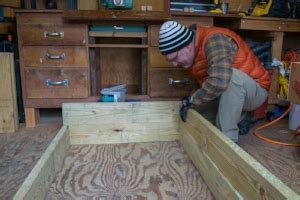
Lay out your first set of boards on a level piece of ground where you plan to place the bed. Place two 8-foot boards parallel to each other, and then fit two 4-foot boards between them at the ends, forming a rectangle. If using corner posts, stand one post vertically in each corner. Align the first layer of boards flush with the outside edges of the posts. Pre-drill pilot holes to prevent splitting, then secure the boards to the posts with two screws per board end.
Step 4: Stack and Secure Subsequent Layers
Repeat Step 3 for the next layer of boards. Stack them directly on top of the first layer, ensuring they are flush. Secure them to the corner posts in the same manner. If not using corner posts, you can overlap the ends of the boards, screwing them directly into each other, or use metal corner brackets for reinforcement.

Step 5: Prepare the Site and Add Liner (Optional)
Before filling, ensure the ground where your bed sits is as level as possible. This prevents settling and uneven drainage. You can add a layer of cardboard or weed barrier fabric to the bottom of the bed to suppress weeds while still allowing drainage. Avoid using plastic sheeting, as it will hinder drainage.

Step 6: Fill Your Raised Bed
Now for the fun part! Fill your new raised bed with a high-quality soil mix. A good formula often includes a base of coarse organic material (like old logs or branches for ‘hugelkultur’), followed by layers of compost, topsoil, and amendments like perlite or vermiculite. Leave a few inches from the top rim for watering.
Tips for Success & Maintenance
- Location: Choose a spot that receives at least 6-8 hours of direct sunlight per day for most vegetables.
- Watering: Raised beds can dry out faster than in-ground gardens, so monitor soil moisture regularly.
- Crop Rotation: Rotate your crops annually to maintain soil health and prevent pest buildup.
- Replenish Soil: Each year, top off your raised bed with fresh compost and organic matter to replace nutrients.
- Inspect Wood: Periodically check your salvaged wood for any signs of wear or rot, especially in continuously damp areas.
Building your own raised garden bed from salvaged wood is a rewarding project that combines sustainability with the joy of gardening. With these easy plans, you’ll soon be enjoying fresh produce and a beautiful, unique addition to your outdoor space!