



Easy DIY root cellar ideas for storing garden harvest?

As a passionate gardener, there’s nothing more rewarding than a bountiful harvest. But what do you do with all those fresh vegetables and fruits before they spoil? While canning, freezing, and dehydrating are popular preservation methods, a traditional root cellar offers a simple, energy-efficient way to store your produce for months, keeping it crisp and fresh. And the best part? You don’t need a basement or an elaborate setup; many easy DIY solutions are within reach!
Why Consider a DIY Root Cellar?
Root cellars mimic natural underground conditions, providing cool temperatures, high humidity, and darkness – the ideal environment for many root vegetables, fruits, and even some leafy greens. Building one yourself can save money, utilize existing space, and reduce your reliance on refrigeration. It’s a sustainable choice that connects you more deeply with your food supply.
Essential Principles of a Root Cellar
Before diving into specific designs, understand the core elements:
- Cool Temperature: Ideally between 35-50°F (1-10°C) to slow down spoilage.
- High Humidity: Around 85-95% to prevent produce from drying out.
- Darkness: Prevents sprouting and maintains quality.
- Ventilation: Essential for air circulation and preventing mold and rot.
Easy DIY Root Cellar Ideas
1. The Buried Trash Can or Container Cellar
This is one of the simplest and most accessible DIY options. Dig a hole large enough for a clean, galvanized metal trash can (or a food-grade plastic barrel) and bury it, leaving just the lid exposed. Drill a few small holes in the bottom for drainage and in the lid for ventilation. You can insulate around the sides with straw or gravel. This method is excellent for carrots, potatoes, and beets.

2. Simple Trench or Pit Cellar
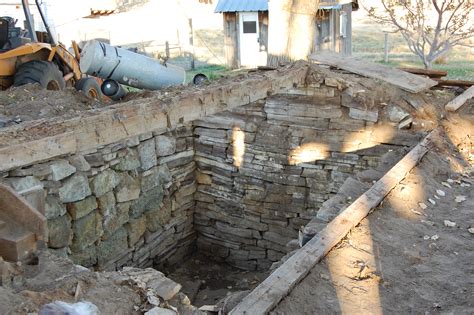
For a temporary or very low-cost solution, dig a trench or pit in a well-drained area. Line the bottom with straw, place your produce (like potatoes or cabbage), cover with more straw, and then top with a layer of soil. Mark the spot so you can find your buried treasure! This works well for a winter’s worth of a specific crop.
3. Straw Bale Root Cellar
Construct a simple shelter using straw bales as walls. This can be built against an existing wall (like a garage or shed) or as a standalone structure. The straw provides excellent insulation. You’ll need a sturdy roof (plywood, tarp) and a door. Ensure good ventilation to manage humidity.
4. Modified Shed or Crawl Space Cellar
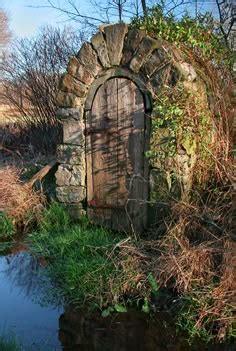
If you have an unused corner of a shed, garage, or even a well-ventilated crawl space, you can convert it. Insulate the walls, floor, and ceiling of a small section. Add shelving and ensure there’s a vent for air exchange. This approach leverages existing structures, reducing construction effort.
5. Upcycled Refrigerator or Freezer Cellar
An old, non-working refrigerator or chest freezer can be repurposed into an excellent mini root cellar. Remove the door gasket to allow some airflow, or drill a small ventilation hole. Bury the unit mostly underground or place it in a cool, shaded area. Its insulated walls are perfect for maintaining stable temperatures. This is particularly good for smaller harvests or specific produce types.
What Can You Store in a Root Cellar?
A variety of produce thrives in root cellar conditions:
- Root Vegetables: Carrots, potatoes, beets, parsnips, turnips, rutabagas, celeriac.
- Squash and Pumpkins: Cured winter squash (butternut, acorn, spaghetti) can last for months.
- Apples and Pears: Store separately from root vegetables as they release ethylene gas.
- Cabbage and Celery: Can be stored upright in damp sand.
- Onions and Garlic: Prefer slightly drier conditions than most root vegetables, but still benefit from cool storage.
Tips for Root Cellar Success
- Monitor Temperature and Humidity: Use a thermometer/hygrometer to ensure ideal conditions.
- Inspect Regularly: Remove any spoiling produce immediately to prevent rot from spreading.
- Proper Curing: Cure items like squash, onions, and potatoes properly before storing to improve longevity.
- Separate Produce: Store ethylene-producing fruits (like apples) away from other produce to prevent premature ripening.
- Rodent Proofing: Ensure your cellar is secure from pests.
Embrace Sustainable Storage
Building an easy DIY root cellar is a rewarding project that extends the joy of your garden harvest well into the colder months. With a little effort, you can enjoy fresh, homegrown produce long after the growing season ends, all while embracing a more sustainable and self-sufficient lifestyle. Pick the method that best suits your space and resources, and start preserving your bounty today!