Easy DIY root cellar plans for storing garden harvest without electricity?

Embrace Off-Grid Storage: The Humble Root Cellar
For centuries, the root cellar has been a cornerstone of self-sufficiency, offering a natural, electricity-free way to preserve fresh produce through the colder months. In an era of rising energy costs and a growing desire for sustainable living, mastering the art of the root cellar is more relevant than ever. Imagine plucking crisp apples or firm carrots from your own cool, earthy storage space in the dead of winter – all without a single watt of power.
This guide will walk you through easy DIY plans, helping you transform a simple space or even a buried barrel into an efficient, natural refrigerator for your garden’s bounty.

Why Build a Root Cellar? The Benefits Unpacked
The allure of a root cellar goes beyond mere convenience; it’s a step towards true food independence. Here’s why you should consider building one:
- No Electricity Required: Operates entirely off-grid, saving you money and reducing your carbon footprint.
- Extends Harvest Life: Keeps many fruits and vegetables fresh for months longer than conventional refrigeration.
- Preserves Nutrients: The stable, cool, and humid environment helps retain vitamins and minerals in your produce.
- Cost-Effective: Once built, it costs virtually nothing to run and can be constructed using reclaimed or inexpensive materials.
- Enhances Self-Sufficiency: Reduces reliance on grocery stores and provides peace of mind knowing your food supply is secure.
Understanding the Core Principles of Root Cellar Design
A successful root cellar mimics nature’s ideal conditions for dormancy. It relies on a few key environmental factors:
- Cool Temperature: Ideally between 35-50°F (2-10°C) – cold enough to slow spoilage but not freezing.
- High Humidity: Typically 85-95% relative humidity to prevent produce from drying out and shriveling.
- Good Ventilation: A constant, gentle flow of fresh air is crucial to prevent the buildup of ethylene gas (which ripens produce) and inhibit mold growth.
- Darkness: Light encourages sprouting and can degrade certain nutrients.
Popular DIY Root Cellar Designs for Every Homestead
You don’t need a massive undertaking to create an effective root cellar. Here are several accessible DIY options:
1. The Earth-Sheltered or Buried Cellar
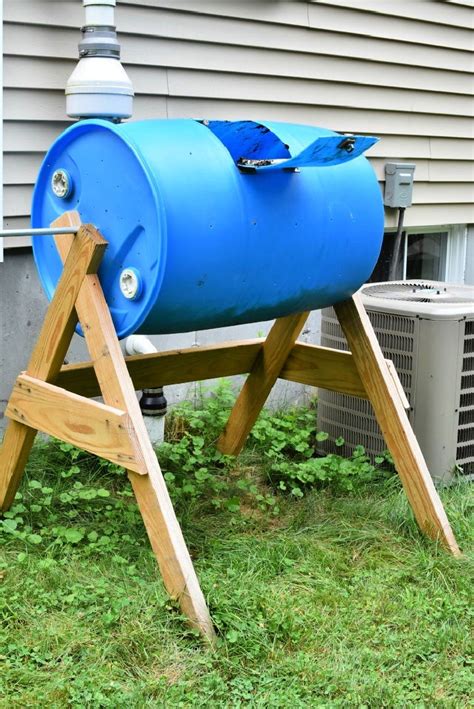
This classic design uses the earth’s natural insulating properties. It can be as simple as burying an old chest freezer (without the compressor) or a large plastic barrel in the ground. Dig a pit, position your container, add drainage, and install a simple ventilation pipe (one low intake, one high exhaust). Insulate the lid and cover with soil or straw.
2. Basement or Crawlspace Conversion
If you have an unused corner of a cool, damp basement or a spacious crawlspace, you might already have a head start. Section off an area with insulated walls, add shelving, and ensure proper ventilation to prevent moisture issues in the main living space.
3. The “Mound” or “Clamp” Cellar
Ideal for smaller quantities or temporary storage, this involves creating a mound of produce directly on the ground, covering it with straw, and then a layer of soil. It’s a very traditional and low-cost method, often used for crops like potatoes and carrots.
4. Insulated Shed or Outbuilding
An existing shed can be converted by adding significant insulation to the walls, floor, and ceiling, ensuring it’s airtight, and installing a passive ventilation system. This option offers more head room and accessibility.

Step-by-Step Construction Guide (General Principles)
While specific plans vary, the core steps for most DIY root cellars remain similar:
- Choose Your Location: Select a naturally cool, shaded, and well-draining spot. Avoid areas prone to flooding.
- Excavation (if applicable): Dig your pit to the desired depth and width for buried or earth-sheltered designs.
- Structural Integrity: Whether it’s a barrel, concrete blocks, or wooden frame, ensure your structure is sound and protected from pests. Line the floor with gravel for drainage if needed.
- Insulation: Earth itself is a great insulator. For above-ground sections or converted spaces, use straw bales, rigid foam, or cellulose insulation.
- Ventilation System: Install two pipes – one low intake (allowing cool, fresh air in) and one high exhaust (allowing warmer, stale air out). Cover openings with mesh to deter pests.
- Door/Lid: Ensure it’s well-insulated and seals tightly to maintain consistent temperature and humidity.
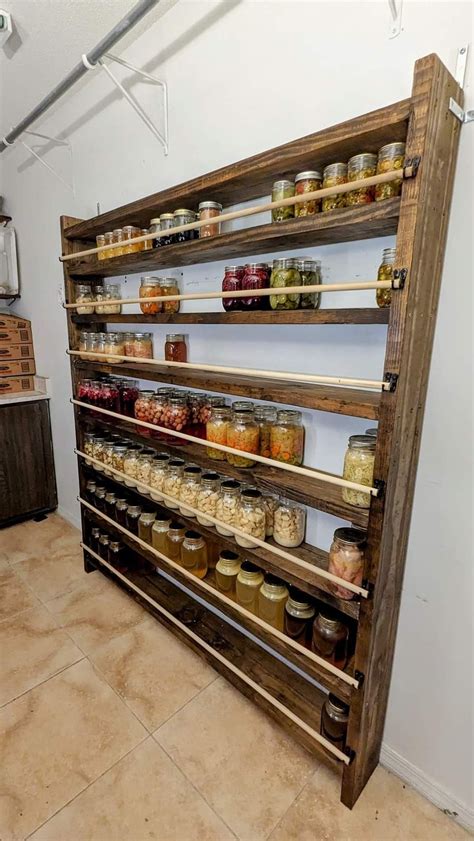
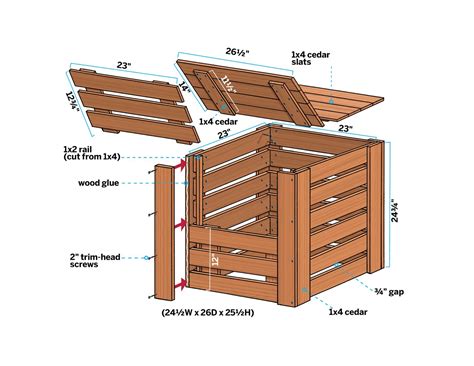
- Shelving: Build sturdy, slatted shelves or bins. Wood is ideal as it allows for air circulation. Avoid direct contact of produce with walls or floors.

Storing Your Harvest & Essential Maintenance Tips
Not all produce is suitable for root cellaring, and proper preparation is key:
- Best for Root Cellars: Apples, potatoes, carrots, beets, parsnips, turnips, cabbage, winter squash, onions (in drier conditions), and garlic.
- Preparation: Cure certain crops (like potatoes and squash) before storage. Brush off excess dirt, but don’t wash produce as it removes protective layers. Inspect for blemishes; only store perfect specimens.
- Storage Methods: Store most root vegetables in damp sand, sawdust, or peat moss to maintain humidity. Apples benefit from individual wrapping to prevent ethylene gas spread.
Maintenance:
- Monitor Conditions: Use a thermometer/hygrometer to track temperature and humidity. Adjust ventilation as needed.
- Regular Checks: Periodically inspect produce for signs of spoilage. Remove any rotten items immediately to prevent contamination.
- Cleanliness: Keep the cellar clean and free of debris.
Conclusion: A Return to Sustainable Roots
Building an easy DIY root cellar is a rewarding project that reconnects you with time-honored traditions of food preservation. It’s an investment in your food security, a testament to sustainable living, and a simple pleasure to enjoy fresh, homegrown produce throughout the lean months. With a little planning and effort, you can create an efficient, electricity-free storage solution that will serve your garden and your family for years to come.