Easy methods to preserve abundant garden harvest for winter?

Embrace the Abundance: Preserving Your Garden’s Bounty
As the growing season draws to a close, a productive garden often leaves us with a delightful dilemma: what to do with the overwhelming abundance? Rather than letting your hard-earned harvest go to waste, mastering a few simple preservation techniques can ensure your pantry and freezer are stocked with homegrown goodness all winter long. From crisp vegetables to sweet fruits, extending the life of your produce is easier than you might think.
Freezing: The Quick & Easy Option
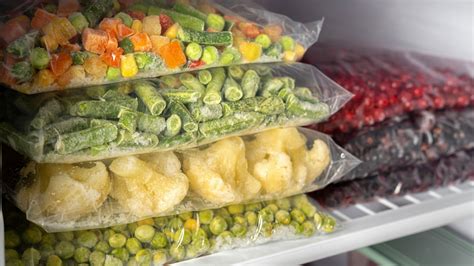
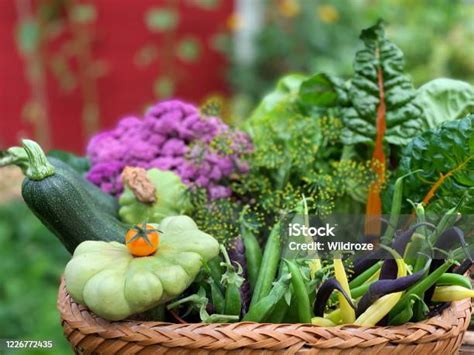
Freezing is arguably one of the simplest and most accessible methods for preserving a wide variety of fruits and vegetables. Most vegetables benefit from blanching – a quick dip in boiling water followed by an ice bath – which stops enzyme action and helps maintain color, flavor, and texture. Berries, sliced peaches, corn kernels, and peas are excellent candidates for freezing. Simply prepare, blanch (if needed), cool completely, and package in airtight freezer bags or containers, removing as much air as possible to prevent freezer burn.
Canning: Sealing in Summer’s Flavor
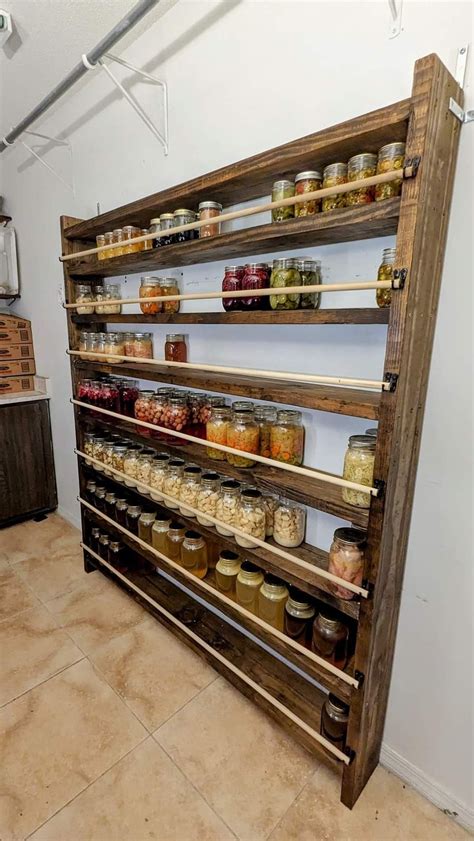
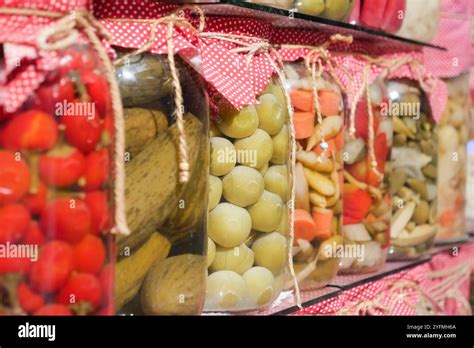
Canning offers a shelf-stable solution, allowing you to store produce at room temperature for extended periods. There are two primary types: water bath canning for high-acid foods (fruits, pickles, jams, jellies, tomatoes with added acid) and pressure canning for low-acid foods (vegetables, meats, soups). While requiring a bit more equipment and attention to safety guidelines, canning is incredibly rewarding. Imagine enjoying homemade tomato sauce or dilly beans in the dead of winter!
Drying & Dehydrating: Concentrated Goodness
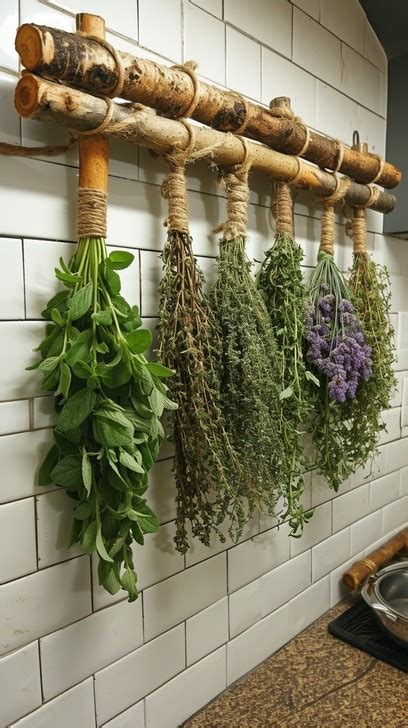
Drying removes water content, inhibiting microbial growth and concentrating flavors. This method is fantastic for herbs, fruit leathers, sun-dried tomatoes, and even sliced vegetables for soups and stews. You can use a dedicated food dehydrator, an oven set to a low temperature, or even natural sunlight in dry climates. Store dried goods in airtight containers in a cool, dark place. They make for lightweight, nutrient-dense snacks and ingredients.
Fermentation & Root Cellaring: Time-Honored Traditions
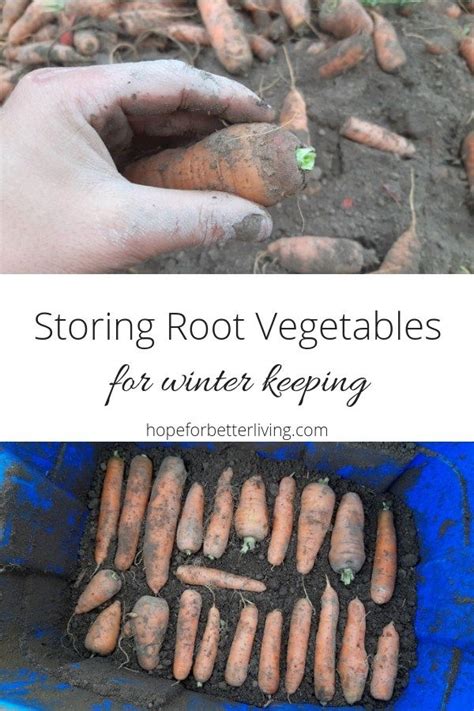
Fermentation, like making sauerkraut, kimchi, or lacto-fermented pickles, not only preserves food but also enhances its nutritional value and creates unique flavors. It involves harnessing beneficial bacteria to transform fresh produce. For root vegetables like carrots, potatoes, onions, and apples, a cool, dark, and humid environment—a root cellar, unheated basement corner, or even a well-ventilated garage—can provide excellent long-term storage without processing. Proper conditions prevent spoilage and sprouting.
Maximize Your Harvest, Minimize Waste
Preserving your garden’s bounty is a fulfilling aspect of country living that not only saves money but also provides a deeper connection to your food source. Start with one or two methods that appeal to you and the types of produce you grow most. With a little practice, you’ll soon be enjoying the taste of summer throughout the colder months, making the most of every delicious harvest.