Easy, natural ways to store root vegetables all winter long?
As the vibrant colors of autumn begin to fade, many home gardeners face the delightful challenge of preserving their bountiful harvest. Root vegetables, in particular, are excellent candidates for long-term storage, offering nutritious and flavorful produce well into the colder months. Forget complicated canning or freezing methods; nature provides several incredibly simple and effective ways to store these underground treasures, keeping them fresh and flavorful without refrigeration or electricity.
The Basics: Preparation is Key
Before any storage method, proper preparation is crucial for success. Start by carefully harvesting your root vegetables on a dry day before the first hard frost. Gently brush off excess dirt; avoid washing them, as moisture can encourage rot. For certain vegetables like sweet potatoes and winter squash (though not strictly root veg, often stored similarly), a curing process is essential. This involves keeping them in a warm, humid environment for a week or two to toughen their skins and heal any minor nicks, greatly improving their shelf life.
Inspect each vegetable thoroughly for any damage, cuts, or soft spots. Even a small bruise can lead to spoilage that spreads to healthy vegetables. Only store the healthiest, unblemished specimens. For carrots, beets, and other leafy roots, twist or cut off the greens, leaving about an inch of stem to prevent moisture loss from the root itself.
Method 1: The Classic Root Cellar (or a DIY Equivalent)
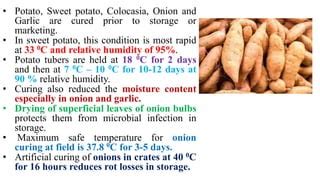
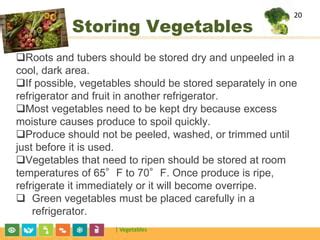
The ideal conditions for most root vegetables are cool, dark, and humid. A traditional root cellar naturally provides this environment, typically maintaining temperatures between 35-50°F (2-10°C) with high humidity (85-95%). If you don’t have a dedicated root cellar, a cool, unheated basement, garage, or even a sturdy, insulated outdoor shed can often replicate these conditions. The key is stable temperature and adequate humidity.
Store vegetables like potatoes, carrots, beets, turnips, and parsnips in slatted crates, bushel baskets, or even sturdy cardboard boxes. Avoid airtight containers, as good air circulation is important. For extra humidity and protection, layer them with slightly damp sand, peat moss, or sawdust. Keep potatoes separate from other vegetables, especially onions, as they release ethylene gas which can accelerate spoilage.
Method 2: Sand, Sawdust, or Peat Moss Storage
This method is fantastic for carrots, beets, parsnips, and turnips, mimicking the conditions of being buried in the earth. It works by preventing moisture loss from the vegetables while also inhibiting sprouting and rot. You’ll need a large container – a sturdy plastic bin, wooden crate, or galvanized trash can – and a medium like builder’s sand, peat moss, or even clean sawdust. Ensure the medium is slightly damp, but not wet (it should feel cool and cohesive, but not drip when squeezed).
Place a layer of your chosen medium at the bottom of the container. Arrange a single layer of root vegetables on top, ensuring they don’t touch each other. Cover completely with more damp medium, then add another layer of vegetables, and so on, until the container is full. Store the container in a cool, dark, and stable environment, checking periodically for dryness of the medium and the condition of the vegetables.

Method 3: In-Ground Storage (The Lazy Gardener’s Delight)
For the truly natural and low-effort approach, many hardy root vegetables can simply be left in the garden soil where they grew, even through winter. This method works best in regions with consistent cold but not extremely harsh or deeply freezing winters. Carrots, parsnips, scorzonera, salsify, and Jerusalem artichokes are excellent candidates.
Before the ground freezes solid, apply a thick layer (6-12 inches) of insulating mulch over the bed. Straw, fallen leaves, wood chips, or even an old blanket can work. This layer prevents the soil from freezing too deeply, allowing you to dig up fresh vegetables as needed, even when there’s snow on the ground. Just be sure to mark their location clearly!

Method 4: Simple Cool, Dark, and Dry Storage
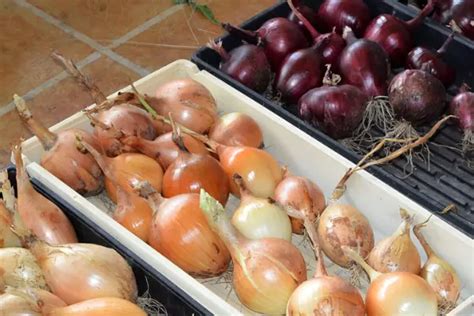
Not all root vegetables crave high humidity. Onions, garlic, and some varieties of winter squash prefer cooler, dry, and well-ventilated conditions. Hang braided onions and garlic in a cool pantry or shed where air can circulate freely around them. Potatoes also prefer cool, dark, and moderately humid conditions, but can be successfully stored in breathable bags (like burlap sacks) or open crates in a cool corner of a basement or closet, away from light to prevent greening and sprouting.
Tips for Success
- Check Regularly: Periodically inspect your stored vegetables for any signs of spoilage. Remove any soft, moldy, or rotten items immediately to prevent the spread to others.
- Avoid Ethylene: Keep apples, bananas, and other ethylene-producing fruits away from your stored root vegetables, as the gas can accelerate ripening and spoilage.
- Labeling: If storing multiple varieties, label your containers with the vegetable type and storage date for better inventory management.
- Rotation: Always try to use the oldest stored vegetables first.
With these simple, natural storage techniques, you can extend the bounty of your garden deep into winter. Enjoy the satisfaction of reaching for homegrown carrots or potatoes in the coldest months, knowing they’ve been preserved with care and without artificial means. Experiment with what works best for your specific climate and available spaces, and savor the taste of your hard work all winter long!