Easy real food recipes kids can make for family meal traditions?

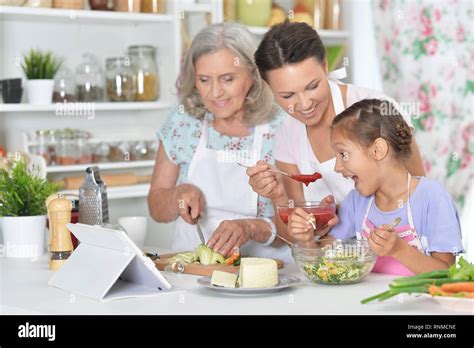
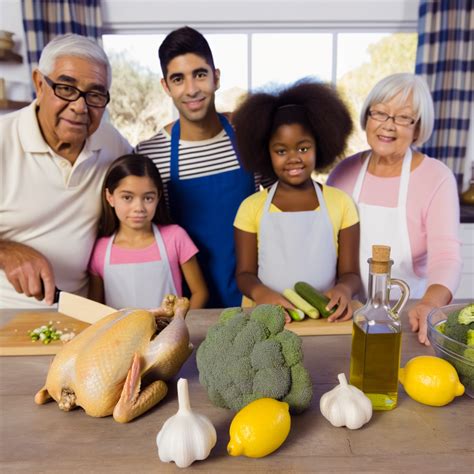
Creating family meal traditions doesn’t have to be a daunting task reserved for adult chefs. Involving children in the kitchen can be one of the most rewarding ways to build lasting memories, impart essential life skills, and foster healthier eating habits. This article explores easy, real food recipes that kids of various ages can confidently help prepare, transforming mealtime into a cherished family ritual.
Why Involve Kids in Meal Prep?
Beyond simply putting food on the table, cooking with kids offers a wealth of benefits. It teaches them about nutrition, develops fine motor skills, and boosts their self-confidence. Children who participate in preparing meals are often more willing to try new foods, reducing pickiness and encouraging a broader palate. Moreover, shared cooking time strengthens family bonds, providing a natural setting for conversation and connection.
Guidelines for Kid-Friendly Cooking
To ensure a positive experience, keep a few principles in mind. Prioritize safety by teaching proper knife handling (or providing child-safe tools), stove etiquette, and handwashing. Assign age-appropriate tasks: toddlers can wash vegetables or stir ingredients, while older children can measure, chop, and even follow simple recipes independently. Emphasize using real, wholesome ingredients – fresh produce, lean proteins, and whole grains – making healthy choices second nature.

Starter Recipes for Little Chefs
Here are some straightforward, delicious recipes designed to get kids excited about cooking and contribute to your family’s meal traditions.
Breakfast/Brunch Traditions
- DIY Yogurt Parfait Bar: Set out bowls of plain yogurt, berries, sliced bananas, granola, nuts, and a drizzle of honey. Kids can layer their own creations, making a nutritious and customizable breakfast.
- Simple Scrambled Eggs: With supervision, even young children can crack eggs (into a separate bowl first to catch shells), whisk them, and stir gently in a pan over medium heat. Add cheese or chopped herbs for extra flavor.
Lunchtime Creations
- Mini Pizzas on Whole Wheat: Use whole-wheat English muffins, pita bread, or tortillas as a base. Provide pizza sauce, shredded mozzarella, and various toppings like chopped bell peppers, mushrooms, olives, or turkey pepperoni. Kids assemble their own, then bake until golden.
- “Build Your Own” Wraps or Sandwiches: Lay out ingredients like whole-wheat tortillas/bread, hummus, sliced turkey/ham, cheese, lettuce, tomatoes, and cucumbers. Let kids take charge of their lunch assembly.

Dinner Delights
- Sheet Pan Dinners: A fantastic option for minimal cleanup. Kids can help wash and chop (with supervision) vegetables like broccoli, bell peppers, and sweet potatoes, then toss them with olive oil and spices. Add chicken sausage or pre-cut chicken pieces to the pan before roasting.
- Pasta with Homemade Sauce: While an adult handles the hot stovetop, kids can assist with washing tomatoes, stirring the sauce as it simmers (from a safe distance), and adding herbs. They can also measure and add the pasta to boiling water with strict supervision.

Sweet & Simple Treats
- Fruit Skewers with Yogurt Dip: Provide an assortment of colorful fruits like grapes, strawberries, melon chunks, and pineapple. Kids thread them onto skewers. A simple dip can be made by mixing plain yogurt with a touch of honey and vanilla extract.
- No-Bake Energy Bites: Combine rolled oats, peanut butter (or sun butter), honey, and mini chocolate chips in a bowl. Kids can mix the ingredients and roll them into small balls. Chill and enjoy!

Making it a Tradition
Consistency is key to establishing traditions. Designate a specific “cooking day” or “family meal night” each week. Let kids choose a recipe from a curated list, giving them ownership. Encourage storytelling while you cook – share family anecdotes, talk about the origin of ingredients, or discuss cultural food practices. Don’t be afraid to adapt recipes to suit your family’s tastes and dietary needs, making each tradition uniquely yours.
Involving children in preparing real food is more than just cooking; it’s about nurturing confidence, teaching valuable life lessons, and building a foundation of healthy habits. These shared moments in the kitchen forge strong family bonds and create delicious memories that will be cherished for years to come. Start simple, be patient, and most importantly, have fun creating your unique family meal traditions.