Easy ways to cook real food & forage locally on a rustic camping trip?

Embarking on a rustic camping trip offers a unique opportunity to disconnect from the modern world and reconnect with nature. A significant part of this experience is fueling your adventure with wholesome, real food, and even supplementing your meals with locally foraged ingredients. It’s not just about survival; it’s about enriching your connection to the environment and savoring the simplicity of outdoor living.
Why Cook Real Food & Forage on Your Trip?
Opting for real food over processed packaged meals brings numerous benefits to your camping experience. Fresh ingredients provide more energy, better nutrition, and a more satisfying culinary experience. Cooking over an open fire or a simple stove adds to the rustic charm and creates memorable moments. Foraging, when done safely and responsibly, takes this a step further, allowing you to discover the bounty of the land and integrate truly fresh, hyper-local ingredients into your meals, deepening your understanding of the ecosystem around you.
Essential Rustic Camp Kitchen Gear
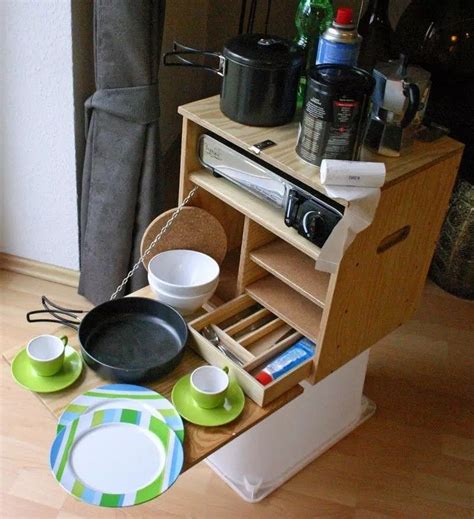
You don’t need a gourmet kitchen to cook delicious meals in the wild. A minimalist approach is key. Start with a sturdy cast-iron skillet or a heavy-duty stainless steel pot that can withstand direct heat. A good sharp knife, a cutting board, a spatula, and heat-resistant gloves are indispensable. Don’t forget basic spices (salt, pepper, garlic powder), cooking oil, and sturdy reusable utensils. A reliable fire starter or a compact, fuel-efficient camp stove will be your best friend for meal preparation.
Simple & Delicious Camp Cooking Methods
Fire Pit Cooking
Cooking directly over an open fire is perhaps the most iconic rustic camping experience. Use a grill grate for cooking meat, fish, or vegetables directly. For easy, mess-free meals, try foil packets. Simply combine chopped vegetables, a protein (like chicken or fish), herbs, and a splash of olive oil, wrap tightly in heavy-duty foil, and place in the embers or on the grate until cooked through. The steam inside cooks everything perfectly, and cleanup is minimal.
One-Pot Wonders
A single pot can create an incredible variety of meals. Think hearty stews, pasta dishes, or even a simple rice and bean concoction. Sauté some onions and garlic, add your choice of protein and vegetables, then introduce a liquid base (broth, water, canned tomatoes) and a carb (rice, pasta, quinoa). Let it simmer until cooked, and you have a fulfilling meal with minimal effort and washing up.

The Art of Safe Foraging
Foraging can be an incredibly rewarding addition to your camping trip, but safety is paramount. Never eat anything you haven’t positively identified with 100% certainty. Use multiple reliable field guides and, if possible, go with an experienced forager for your first few outings. Always forage ethically: take only what you need, leave plenty for wildlife and other foragers, and avoid foraging in protected areas or places exposed to pollutants (like roadsides). When in doubt, leave it out.
Common & Easy-to-Identify Wild Edibles
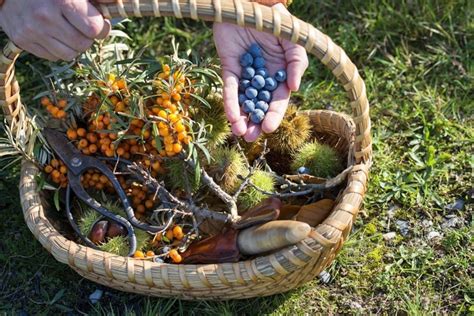
While regional variations exist, some common edibles are relatively easy to spot for beginners. Dandelions (leaves, flowers, roots) are prolific and entirely edible. Wild berries like blackberries, raspberries, and blueberries are often easy to identify, but be wary of look-alikes. Nettles (wear gloves!) can be blanched and cooked like spinach. Pine needles can be used to make a vitamin C-rich tea. Always double-check identification with a local guide before consuming anything. Start small, focusing on one or two plants you can confidently identify.
Integrating real food cooking and safe foraging into your rustic camping trip elevates the entire experience. It encourages resourcefulness, provides a deeper connection to nature, and offers the immense satisfaction of preparing and eating meals directly from the wild. So pack your skillet, grab a field guide, and prepare to embark on a culinary adventure as wild and wonderful as the landscape itself.