Easy ways to get kids excited about garden-to-table meals?

Getting kids to eat their vegetables can often feel like an uphill battle. But what if the journey to the dinner plate started not in a grocery store aisle, but right in your own backyard or a small container garden? Introducing children to the garden-to-table concept is a powerful way to foster healthy eating habits, connect them with nature, and create memorable family experiences. By making the process hands-on and fun, you can transform mealtime struggles into exciting culinary adventures.
Planting the Seeds of Excitement
The first step in getting kids invested is involving them from the very beginning. Let them choose what to grow – within reason, of course! Provide options for colorful vegetables like cherry tomatoes, bell peppers, carrots, snap peas, or strawberries. These are not only fun to grow but also visually appealing and often sweet enough to tempt young palates. Giving them their own small plot or a designated pot instills a sense of ownership.
- Seed Selection: Let them pick seed packets with interesting pictures and vibrant descriptions.
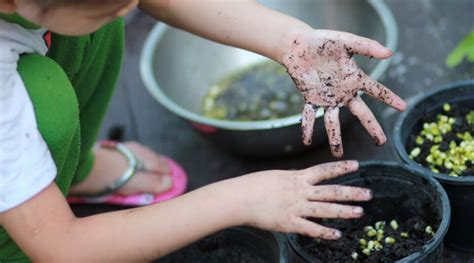
- Hands-On Planting: Show them how to sow seeds, dig small holes, gently place seedlings, and water carefully.
- Daily Care: Assign simple, age-appropriate tasks like watering their designated plants or checking for new sprouts.
Harvesting Adventures
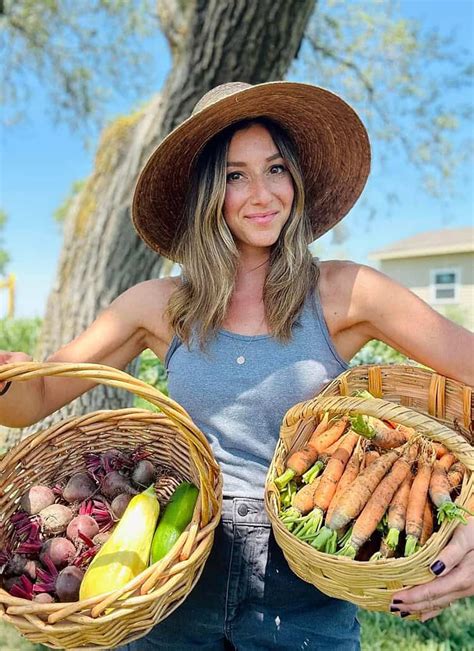
The moment of harvest is incredibly rewarding for children. It’s when they see the tangible results of their hard work and patience. Make it an event! Provide them with child-safe gardening gloves and a small basket or pail. Describe the vegetables as “treasures” they are discovering and collecting.
For example, pulling up carrots from the soil can feel like a treasure hunt, and plucking ripe, warm strawberries directly from the plant is a wonderfully sweet reward. This direct connection between effort and a delicious reward powerfully reinforces the value of fresh produce.
Kitchen Fun: From Garden to Plate
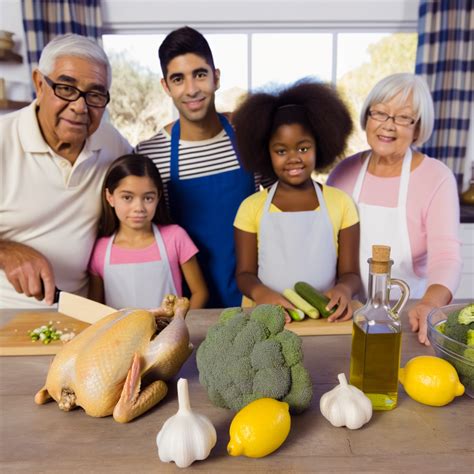
Once the produce is harvested, the next exciting step is bringing it into the kitchen. This is where the magic truly happens, as kids are significantly more likely to eat something they helped prepare themselves.
- Washing & Prepping: Let them wash vegetables under supervision. Simple tasks like tearing lettuce leaves, snapping green beans, shelling peas, or stirring a salad dressing are perfect for little hands.
- Simple Recipes: Start with easy recipes where your garden produce can truly shine. Think vibrant salads, simple roasted vegetables, or homemade pizzas topped with fresh garden tomatoes and herbs.
- Taste Testing: Encourage them to taste ingredients as you go. Ask them to describe the difference between a fresh snap pea and one from the store, or how a warm cherry tomato tastes straight from the vine.

Creative Presentation and Storytelling
Presentation matters, especially for appealing to children. Turn meals into fun, imaginative experiences to pique their interest:
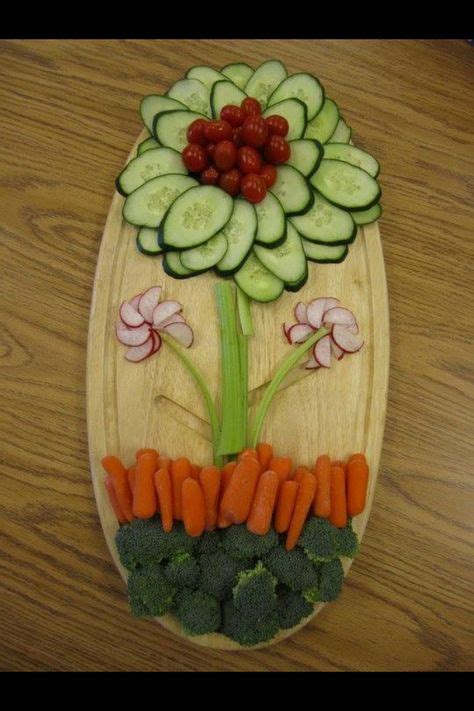
- Veggie Art: Arrange vegetables into funny faces, animals, or colorful shapes on their plate.
- Name Your Dish: Let them name the meal they helped create, like “Leo’s Super Garden Salad” or “Maya’s Marvelous Minestrone.” This gives them ownership and pride.
- Tell a Story: Talk about the journey of the food – “Remember when we planted these tiny seeds? Now look how big and delicious our tomatoes are!”
Leading by Example
Children are excellent imitators, and they learn best by observing. If they see you consistently enjoying fresh, garden-to-table meals, they are far more likely to embrace them too. Eat together as a family, share your appreciation for the flavors, and talk about the health benefits in an accessible way. Make it a positive, regular, and celebrated part of your family routine.
Garden-to-table isn’t just about cultivating delicious food; it’s about nurturing curiosity, teaching patience, fostering responsibility, and instilling a lifelong appreciation for healthy eating and the natural world. By making it an engaging and shared family activity, you’ll be cultivating not just fresh produce, but also invaluable healthy habits and happy, lasting memories.