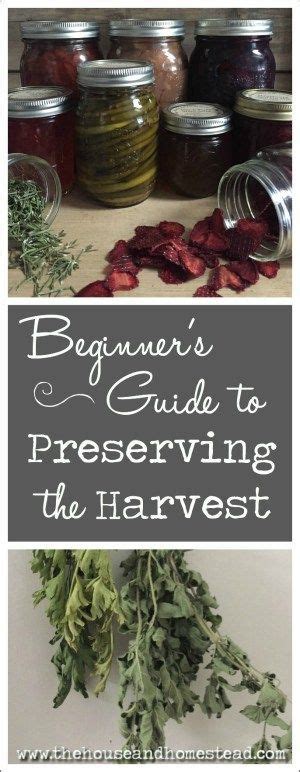
Easy ways to preserve garden bounty for homemade meals?
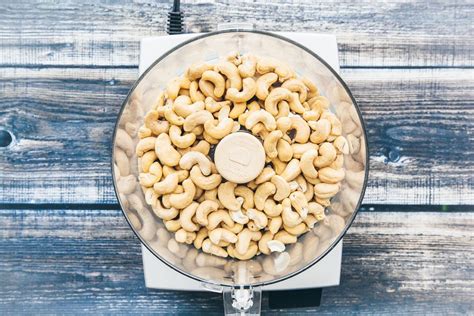
The satisfaction of harvesting your own produce is unparalleled, but a bountiful garden often presents a delightful dilemma: how to enjoy it all before it spoils? Preserving your garden’s bounty not only reduces waste but also provides a pantry full of wholesome ingredients for delicious homemade meals throughout the year. Forget store-bought alternatives; with a few easy techniques, you can lock in the fresh flavors of summer and autumn for months to come.
Freezing: The Easiest Preservation Method
Freezing is arguably the most straightforward way to preserve a wide variety of fruits and vegetables, requiring minimal equipment and effort. Most vegetables benefit from blanching – a quick dip in boiling water followed by an ice bath – to stop enzyme activity and retain color, flavor, and nutrients. Think vibrant green beans, broccoli florets, or corn kernels.
Fruits like berries, sliced peaches, or mangoes can often be frozen raw. Simply spread them in a single layer on a baking sheet to freeze individually, then transfer to freezer bags. This prevents them from clumping together, allowing you to grab just the amount you need for smoothies, pies, or sauces. You can also make purees – think homemade tomato sauce or pumpkin puree – and freeze them in portions, ready to be defrosted for soups, stews, or pasta dishes.

Canning & Jarring: Shelf-Stable Delights
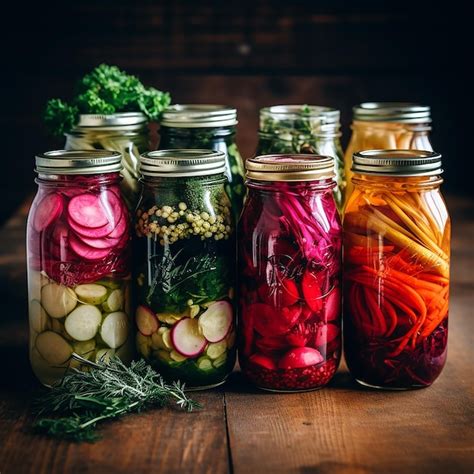
Canning provides a shelf-stable solution for many garden treasures, from jams and jellies to pickles and sauces. Water bath canning is suitable for high-acid foods like fruits, fruit preserves, pickles, and tomatoes (with added acid). It involves submerging sealed jars in boiling water for a specified period to create a vacuum seal, eliminating spoilage microorganisms.
Imagine opening a jar of homemade strawberry jam in the middle of winter or adding homegrown pickled cucumbers to your sandwiches. For low-acid foods like most vegetables, meats, or seafood, pressure canning is necessary to reach temperatures high enough to destroy dangerous bacteria. While requiring specific equipment and adherence to strict guidelines, the rewards of a fully stocked pantry are immense. Don’t forget infused oils and vinegars, which can also be jarred for culinary gifts or personal use.
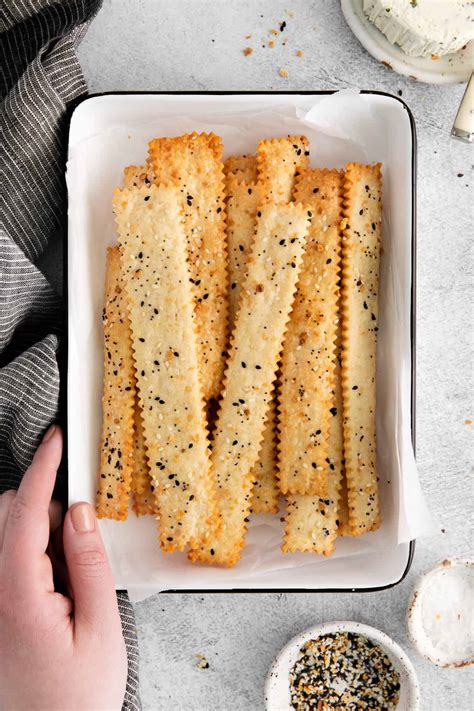
Drying & Dehydrating: Concentrated Flavor
Drying is one of the oldest preservation methods, concentrating flavors and extending shelf life by removing moisture. While sun-drying works for some items, a food dehydrator or even a low oven can efficiently dry herbs, fruits, and vegetables. Dried herbs like basil, oregano, or mint retain their potency and add a burst of garden flavor to winter dishes.
Think about making your own sun-dried tomatoes, apple chips, or fruit leathers. These make excellent snacks or ingredients for cooking. Ensure foods are dried completely to prevent mold; they should be brittle or leathery depending on the item. Store dried goods in airtight containers in a cool, dark place.

Fermentation: A Living Preservation Art
Fermentation, another ancient technique, transforms foods using beneficial bacteria, resulting in unique flavors and added probiotics. Making your own sauerkraut from cabbage, dill pickles from cucumbers, or even experimenting with kimchi can be incredibly rewarding. These living foods not only last longer but also offer significant health benefits.
The process is surprisingly simple for many ferments, often requiring just salt, vegetables, and a clean jar. While it takes patience, the tangy, complex flavors developed through fermentation are well worth the wait, turning your garden produce into gourmet ingredients for everyday meals.
Conclusion
Don’t let your hard work in the garden go to waste. By embracing these easy preservation methods – freezing, canning, drying, and fermenting – you can enjoy the fruits (and vegetables!) of your labor long after the growing season ends. Each method offers a unique way to savor the freshness and nutrients of your homegrown produce, transforming your garden bounty into delicious, wholesome homemade meals year-round. Start with one method that excites you and build your preservation skills season after season!