


Easy ways to preserve garden bounty for homemade pantry staples?

As the growing season peaks, your garden often rewards you with an overwhelming abundance of fresh produce. While enjoying the immediate harvest is a delight, preserving that bounty means savoring its flavors long after the season ends. Turning fresh fruits and vegetables into homemade pantry staples is not only cost-effective but also ensures you have healthy, delicious ingredients at your fingertips, free from artificial additives. Let’s explore some of the easiest and most popular methods to make the most of your garden’s generosity.
Freezing: The Quick & Easy Method
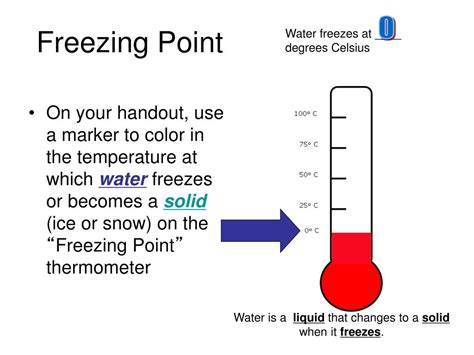
Freezing is arguably the simplest and least time-consuming way to preserve most garden produce. It locks in nutrients and flavor, making it perfect for vegetables, fruits, and even herbs. Most vegetables benefit from blanching – a quick dip in boiling water followed by an ice bath – before freezing. This stops enzyme action that can lead to color and flavor loss.
Fruits, on the other hand, often freeze well without any pre-treatment. Berries can be flash-frozen on a baking sheet before being transferred to freezer bags to prevent clumping. Chopped herbs mixed with a little water or oil can be frozen in ice cube trays for easy addition to winter cooking. Stock your freezer with peas, corn, green beans, berries, and peaches, ready for smoothies, stir-fries, and baked goods.
Canning: Sealing in Summer’s Flavors
Canning involves sealing food in jars and heating them to destroy microorganisms and create a vacuum seal. It’s a fantastic way to create shelf-stable goods like jams, jellies, pickles, and sauces. There are two main methods: water bath canning for high-acid foods (fruits, pickled vegetables, tomatoes with added acid) and pressure canning for low-acid foods (most vegetables, meats, and combinations).

For beginners, water bath canning is an excellent starting point. You can make delicious strawberry jam, crisp dill pickles, or chunky salsa with relative ease. Always follow tested recipes from reliable sources like the USDA or university extension services to ensure food safety.
Dehydrating: Concentrating Natural Sweetness
Dehydrating, or drying, removes water from food, inhibiting spoilage-causing bacteria, yeasts, and molds. This method is perfect for creating lightweight, nutrient-dense snacks and ingredients. A food dehydrator is ideal, but an oven on its lowest setting or even sun-drying (in suitable climates) can also work.
Think dried fruit leathers, apple chips, sun-dried tomatoes, or your own blend of dried herbs. Herbs like basil, oregano, and rosemary dry beautifully and can be stored whole or crumbled. Dried mushrooms, bell peppers, and carrots can be rehydrated for soups and stews, adding a concentrated burst of flavor.
Fermentation & Pickling: Tangy & Probiotic-Rich
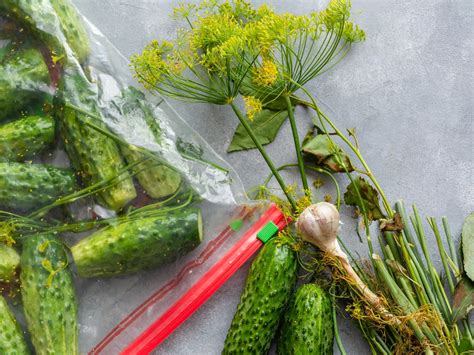
Fermentation is an ancient preservation technique that not only extends the shelf life of food but also enhances its nutritional value by creating beneficial probiotics. Lactic acid fermentation, common for vegetables, uses salt to encourage the growth of good bacteria that produce lactic acid, preserving the food and giving it a distinct tangy flavor.
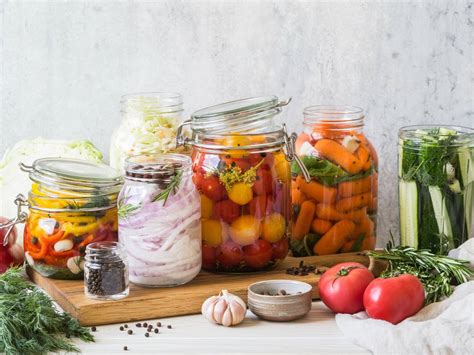
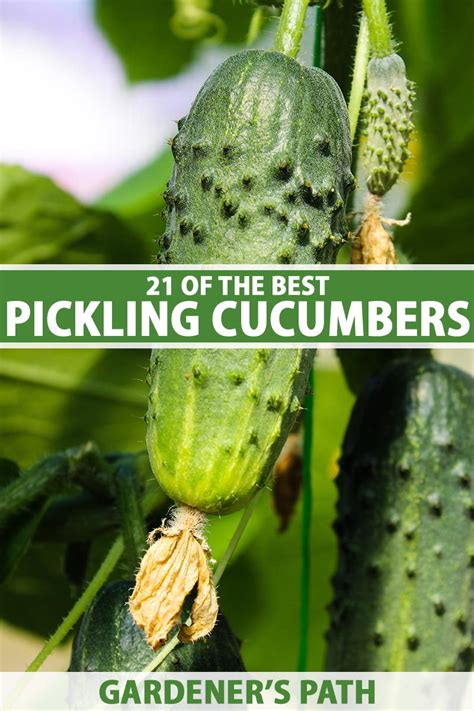
Classic examples include sauerkraut from cabbage, kimchi from various vegetables, and brined pickles from cucumbers. Pickling, while often involving fermentation, can also refer to preserving foods in an acidic solution like vinegar. Vinegar pickles are quick and easy to make, yielding crunchy dilly beans, bread and butter pickles, or pickled onions for sandwiches and salads.
Root Cellaring & Cool Storage
For certain crops, a simple cool, dark, and humid storage space can extend their freshness for months. A traditional root cellar, an unheated basement corner, or even a cool garage can serve this purpose. Root vegetables like potatoes, carrots, beets, and parsnips, along with onions and winter squash, are excellent candidates for this method.
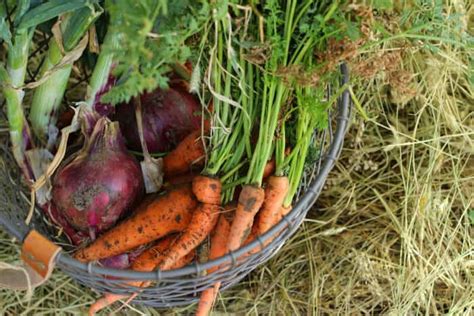
Proper ventilation and monitoring humidity are key to preventing spoilage. Storing produce in sand or sawdust can further prolong its life. This method requires minimal processing and keeps the produce in its whole, fresh form, ready to be used as needed throughout the colder months.
Embrace the Harvest
Preserving your garden’s bounty is a rewarding journey that connects you more deeply with your food and offers incredible culinary flexibility. Whether you opt for the simplicity of freezing, the timeless tradition of canning, the innovation of dehydrating, or the health benefits of fermentation, each method transforms your fresh produce into valuable homemade pantry staples. Start small with one or two methods, experiment with different recipes, and soon you’ll enjoy the taste of your garden all year long!