

Easy ways to preserve garden excess for homemade, real food meals?

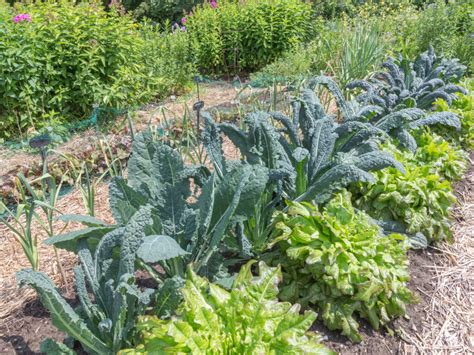
As summer’s bounty or autumn’s harvest overflows from your garden, the joyous problem of excess produce often arises. Instead of letting your hard-earned fruits and vegetables go to waste, transforming them into delicious, homemade meals for the colder months is a fulfilling and economical endeavor. Preserving your garden’s yield not only ensures you have access to nutrient-rich, real food year-round but also deepens your connection to the food you eat. Let’s explore some of the simplest and most effective methods to safeguard your garden’s goodness for future culinary creations.
Freezing: The Easiest Method
Freezing is arguably the most straightforward way to preserve a wide variety of garden produce with minimal fuss. From berries and corn to beans and peppers, many vegetables and fruits freeze beautifully, retaining much of their flavor and nutritional value. The key is proper preparation: most vegetables benefit from blanching before freezing to stop enzyme action, which preserves color, texture, and nutrients. Fruits, on the other hand, can often be frozen raw, sometimes with a light sugar syrup or lemon juice to prevent browning. Store in airtight containers or freezer bags, expelling as much air as possible, for up to 8-12 months.
Canning: Sealing in Freshness
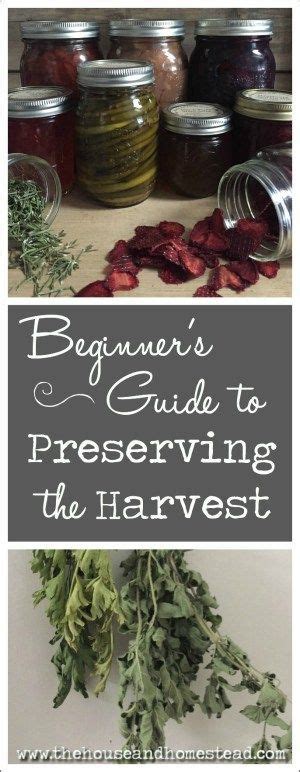
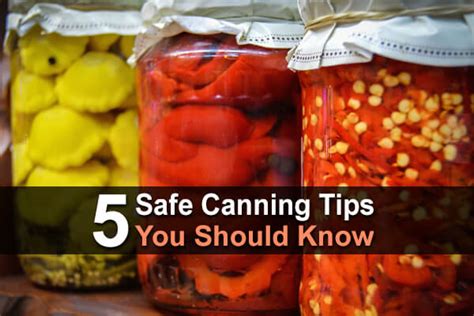
Canning offers a shelf-stable solution that doesn’t require freezer space, making it an excellent option for long-term storage of acidic foods like fruits, pickles, and tomatoes (water bath canning) or low-acid foods like most vegetables, meats, and soups (pressure canning). While it requires a bit more equipment and attention to safety guidelines, the reward is a pantry stocked with ready-to-eat jars of your garden’s best. Always follow tested recipes from reliable sources to ensure food safety. Water bath canning is simpler for high-acid items, while a pressure canner is essential for low-acid vegetables to prevent botulism.
Dehydrating: Concentrating Flavors
Dehydrating food removes moisture, inhibiting the growth of bacteria, yeasts, and molds, and creating lightweight, concentrated versions of your produce. This method is fantastic for making fruit leathers, sun-dried tomatoes, dried herbs, and even vegetable chips. A food dehydrator is a worthwhile investment, but a low-temperature oven or even air-drying (for herbs) can also work. Dried foods are perfect for backpacking, snacks, or rehydrating for soups and stews. Ensure foods are thinly sliced and dried completely to prevent spoilage.

Fermentation: A Living Tradition
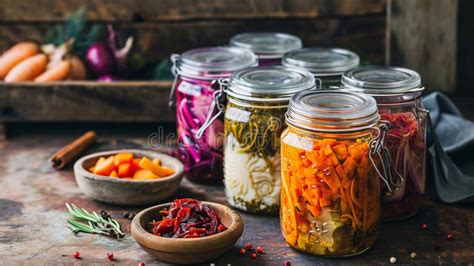
Fermentation is an ancient preservation technique that not only extends the shelf life of food but also enhances its nutritional value and creates unique flavors. Think sauerkraut, kimchi, pickles, and kombucha. This process involves beneficial microorganisms transforming sugars into acids, gases, or alcohol, which acts as a natural preservative. While it might sound intimidating, many fermented foods are surprisingly simple to make at home with basic ingredients like salt, water, and your garden vegetables. The results are probiotic-rich additions to your diet.
Pickling: Tangy Preserves
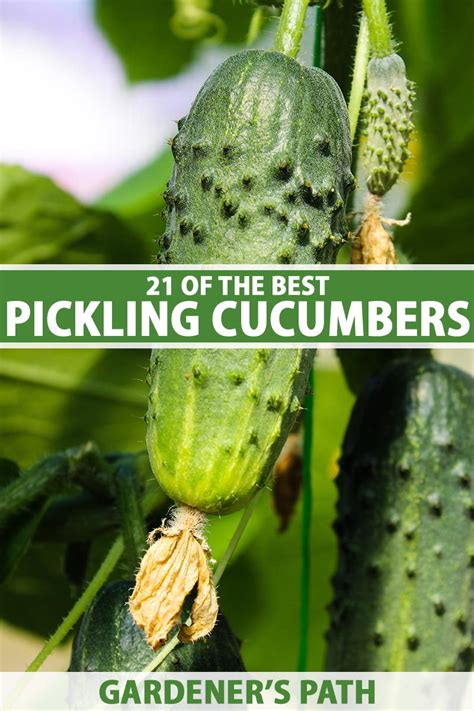
Beyond fermentation, pickling using vinegar is another excellent way to preserve crunchy vegetables like cucumbers, beans, and peppers. There are two main types: quick pickling (refrigerator pickles) and long-term canning pickles. Refrigerator pickles are easy and fast, requiring just a brine of vinegar, water, salt, and spices, stored in the fridge for a few weeks. For shelf-stable pickles, a water bath canner is used, often involving a similar brine but with precise processing times to ensure safety. Pickled vegetables add a wonderful tangy crunch to any meal.
Conclusion
Preserving your garden excess is a deeply rewarding practice that reduces food waste, saves money, and provides your family with delicious, healthy meals made from ingredients you grew yourself. Whether you opt for the simplicity of freezing, the stability of canning, the convenience of dehydrating, or the health benefits of fermentation and pickling, each method allows you to extend the season’s flavors long after the harvest. Embrace these techniques, experiment with different recipes, and enjoy the taste of your garden year-round, knowing you’re nourishing your family with real food straight from your own backyard.