Easy ways to preserve garden surplus for winter meals?

Making the Most of Your Bountiful Harvest
As summer fades and autumn arrives, many gardeners find themselves with a generous surplus of fruits, vegetables, and herbs. While fresh-picked produce is a delight, it’s often more than one household can consume immediately. Preserving this bounty not only reduces waste but also provides a taste of your garden’s goodness during the colder months, enhancing your winter meals with fresh flavors and essential nutrients.
Fortunately, you don’t need to be a seasoned pro to start preserving. There are many simple and accessible methods that can turn your garden surplus into a pantry full of delicious ingredients. Let’s explore some easy ways to ensure your hard work in the garden pays off all year long.
Freezing: The Quick & Easy Option
Freezing is arguably one of the simplest and most effective ways to preserve a wide variety of garden produce. It requires minimal equipment and retains much of the food’s flavor, texture, and nutritional value. Most vegetables benefit from blanching (briefly boiling then plunging into ice water) before freezing to stop enzyme action, which can otherwise cause loss of flavor, color, and texture.
- Vegetables: Blanch green beans, broccoli florets, corn kernels, peas, and spinach. Flash freeze on a baking sheet before transferring to freezer bags to prevent clumping.
- Fruits: Berries, sliced peaches, and cherries can be frozen whole or in sugar syrup. Spread them on a tray to freeze individually, then bag.
- Herbs: Chop herbs and freeze them in ice cube trays with a little water or olive oil.

Canning: Sealing in Freshness
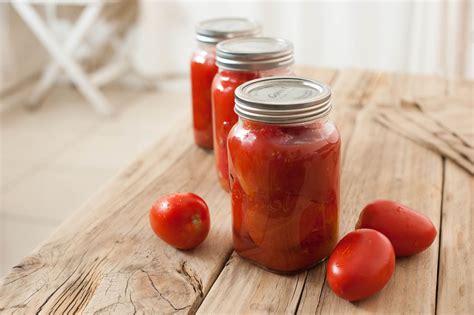
Canning allows you to store produce at room temperature for extended periods, making it a fantastic option for pantry staples. There are two main methods: water bath canning for high-acid foods (like most fruits, pickles, and tomatoes) and pressure canning for low-acid foods (such as green beans, corn, and meats). Always follow tested recipes and proper sterilization techniques for safety.
- Water Bath Canning: Perfect for making jams, jellies, fruit pie fillings, tomato sauce, and pickled vegetables.
- Pressure Canning: Essential for preserving low-acid vegetables, ensuring the destruction of harmful bacteria.
Drying: Ancient Methods, Modern Appeal
Drying removes moisture from food, inhibiting microbial growth and extending shelf life significantly. While traditionally done in the sun, modern dehydrators or even a low oven can make the process efficient and accessible. Dried foods are lightweight and concentrated in flavor.
- Herbs: Air-dry bundles of herbs like oregano, thyme, and rosemary.
- Fruits: Slice apples, pears, peaches, or make fruit leathers in a dehydrator.
- Vegetables: Sun-dried tomatoes, mushroom slices, or kale chips are popular choices.
Fermenting: Flavorful & Probiotic Powerhouses
Fermentation is an ancient preservation method that not only extends shelf life but also enhances flavor and creates beneficial probiotics. It involves controlled anaerobic decomposition of organic substances by microorganisms like bacteria and yeast. This method is surprisingly easy to start with simple equipment.
- Sauerkraut & Kimchi: Cabbage is shredded, salted, and allowed to ferment, creating tangy, probiotic-rich ferments.
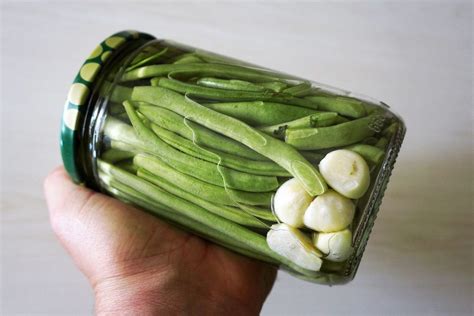
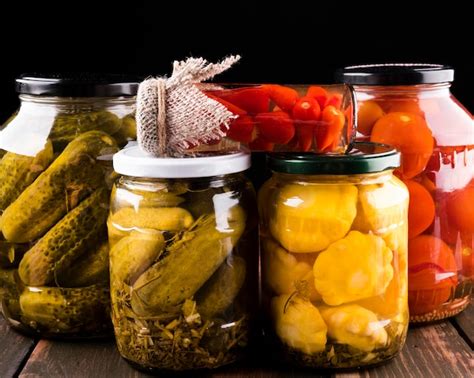
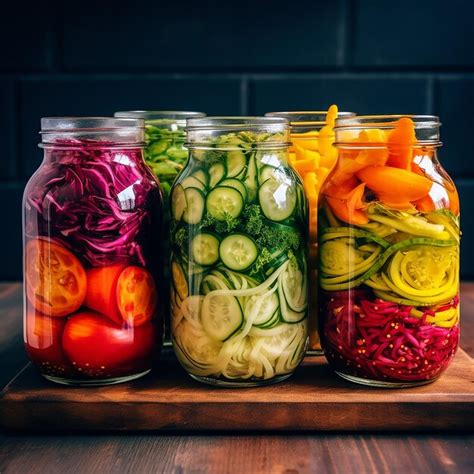
- Pickled Vegetables: Beyond vinegar pickles, you can lacto-ferment cucumbers, carrots, and other vegetables for a unique flavor profile and added health benefits.
General Tips for Success
- Start Small: Don’t try to preserve everything at once. Pick one method and one type of produce to master first.
- Use Fresh Produce: The quality of your preserved food will only be as good as the fresh ingredients you start with.
- Label Everything: Include the date and contents on every jar or package.
- Store Properly: Keep preserved goods in a cool, dark place away from direct sunlight and extreme temperatures.
- Invest in Essential Tools: A good set of canning jars, a large stockpot, a funnel, and a basic dehydrator can make a big difference.
Enjoy Your Garden’s Bounty Year-Round
Preserving your garden surplus is a rewarding endeavor that connects you more deeply with your food and the seasons. Whether you opt for the simplicity of freezing, the traditional art of canning, the ease of drying, or the flavorful world of fermenting, you’ll be well on your way to enjoying delicious, homegrown ingredients in your winter meals. Experiment with different methods and find what works best for your garden, your kitchen, and your palate!