




Easy ways to preserve garden tomatoes for delicious winter meals?

Harvesting the Bounty: Why Preserve Tomatoes?
The joy of plucking ripe, sun-warmed tomatoes from your garden is a quintessential summer pleasure. But as the season wanes, many gardeners find themselves with an abundance of these juicy gems, wondering how to extend their deliciousness beyond the harvest. Preserving your garden tomatoes not only captures their peak flavor but also provides a fantastic resource for hearty, homemade meals throughout the colder months. Imagine rich pasta sauces, warming soups, and vibrant chilis made with the taste of summer.
Freezing: The Easiest Option for Quick Meals
Freezing is arguably the simplest and least time-consuming method for preserving tomatoes, making it perfect for busy individuals. You don’t need any special equipment beyond freezer bags or containers, and it preserves the fresh flavor wonderfully for many uses.
Methods for Freezing Tomatoes:
- Whole Tomatoes: For sauce, soup, or stew, simply wash and dry whole tomatoes (cherry tomatoes can be frozen whole on a tray first to prevent clumping). Place them in freezer-safe bags. When ready to use, run them under warm water, and the skin will slip right off.
- Diced Tomatoes: Blanch, peel, and dice your tomatoes. Pack them into freezer bags, removing as much air as possible, or freeze them in portion-sized containers.
- Tomato Purée/Sauce Base: Cook down peeled and seeded tomatoes, then purée them. Freeze in ice cube trays for small portions, or in larger freezer-safe containers for bulk.

Canning: For Long-Term Pantry Staples
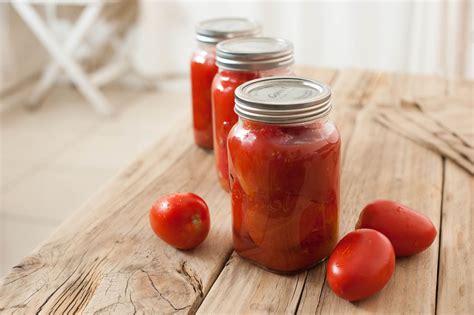
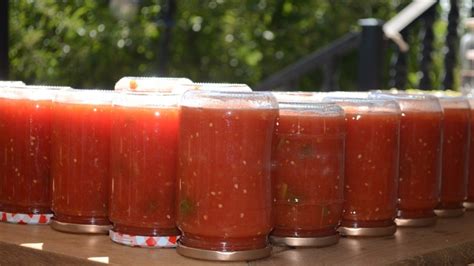
Canning offers a shelf-stable solution that allows you to store your tomatoes in your pantry for extended periods, ready to use whenever inspiration strikes. While it requires a bit more effort and specialized equipment, the reward of rows of gleaming jars filled with your homemade crushed tomatoes, salsa, or sauce is immensely satisfying.
Popular Canning Methods:
- Crushed Tomatoes: A versatile base for many recipes. Blanch, peel, and crush tomatoes, then pack into jars with a little lemon juice or citric acid for safety, and process in a water bath canner.
- Diced Tomatoes: Similar to crushed, but tomatoes are diced into uniform pieces.
- Tomato Sauce: Cooked down and seasoned, then canned. Ensure acidity levels are correct for safe water bath canning.
Always follow tested, reliable canning recipes and guidelines from reputable sources to ensure food safety.
Drying: Intense Flavor in Every Bite
Drying tomatoes concentrates their natural sugars and flavors, resulting in intensely savory and chewy morsels perfect for adding a punch to salads, pasta dishes, sandwiches, or even just snacking. You can achieve this using a dehydrator, your oven, or even the sun if you live in a hot, dry climate.
How to Dry Tomatoes:
- Dehydrator: Slice tomatoes thinly (about 1/4 inch thick) and arrange them in a single layer on dehydrator trays. Dry at 135°F (57°C) for 8-12 hours, or until leathery and pliable.
- Oven: Slice tomatoes and place them on parchment-lined baking sheets. Bake at the lowest possible temperature (usually 170-200°F or 75-95°C) with the oven door slightly ajar for 6-12 hours, checking periodically.
- Sun-Drying: Requires several days of hot, dry weather. Place sliced tomatoes on screens or racks in direct sunlight, covering them at night to protect from dew.
Store dried tomatoes in airtight containers or packed in olive oil (refrigerated) for extended freshness.

Roasting: A Flavorful Shortcut to Preservation
Roasting tomatoes before preserving them adds a deep, smoky sweetness that elevates their flavor profile significantly. This method is fantastic for creating a base for sauces, soups, or just enjoying as a side dish.
Steps for Roasting Tomatoes:
- Preheat your oven to 400°F (200°C).
- Halve or quarter your tomatoes, tossing them with olive oil, salt, pepper, and herbs like oregano or thyme.
- Spread them in a single layer on a baking sheet.
- Roast for 30-45 minutes, or until softened and slightly caramelized.
Once roasted, you can mash them into a chunky sauce, purée them for a smooth soup base, or simply freeze them in portions. The intense flavor they develop is incomparable and will make your winter dishes truly special.

Tips for Tomato Preservation Success
- Choose Wisely: Always start with the freshest, ripest tomatoes free from blemishes.
- Cleanliness is Key: Ensure all your equipment, jars, and hands are thoroughly clean to prevent spoilage.
- Label Everything: Clearly label your preserved tomatoes with the date and contents.
- Portion Control: Freeze or can in sizes that make sense for your typical meal preparations to avoid waste.
Enjoying Your Winter Harvest
With these easy preservation methods, you can turn your summer garden’s bounty into a year-round culinary delight. Whether you choose the simplicity of freezing, the tradition of canning, the intensity of drying, or the rich flavor of roasting, your future self will thank you for the foresight. There’s immense satisfaction in opening a jar or bag of homegrown tomatoes in the dead of winter, bringing a taste of sunshine back to your table and transforming simple ingredients into extraordinary meals.