




Easy ways to preserve summer garden harvest for winter meals?

Embrace Your Summer Bounty All Year Round
As summer’s vibrant garden bursts with life, producing an abundance of delicious fruits and vegetables, the thought often turns to how to make this goodness last. Preserving your harvest isn’t just a rewarding homesteading skill; it’s a practical way to enjoy fresh, wholesome produce long after the growing season ends, saving money and adding flavor to your winter meals. From the simplest methods to more traditional techniques, here are some easy ways to ensure your summer garden continues to nourish you through the colder months.
Freezing: The Easiest Option for Many
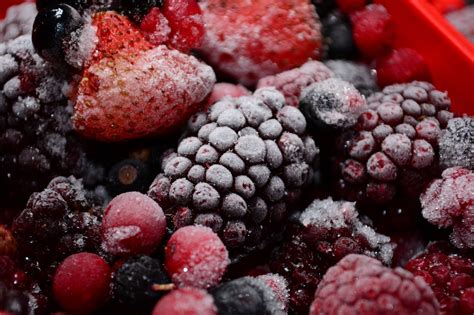
Freezing is arguably the quickest and most straightforward method for preserving a wide variety of garden produce. Most vegetables benefit from a quick blanching — a brief dip in boiling water followed by an ice bath — to stop enzyme action and retain color, flavor, and nutrients. Berries, chopped peppers, and corn can often be frozen raw.
To freeze, simply wash, chop, blanch (if needed), cool thoroughly, and then spread items on a baking sheet to flash freeze. Once solid, transfer them to freezer-safe bags or containers, removing as much air as possible to prevent freezer burn. This method works wonderfully for green beans, peas, corn, broccoli, cauliflower, berries, and even chopped herbs.
Canning: Sealing in Flavor and Nutrients
Canning involves sealing food in jars and heating them to a temperature that destroys microorganisms and creates a vacuum seal. There are two main types of canning:
- Water Bath Canning: Ideal for high-acid foods like fruits, jams, jellies, pickles, and tomatoes (sometimes with added acid). Jars are submerged in boiling water for a specified time.
- Pressure Canning: Essential for low-acid foods such as most vegetables (green beans, corn, carrots) and meats. A pressure canner heats food to much higher temperatures than boiling water, making it safe for these items.
While canning requires a bit more equipment and attention to detail, the reward is a pantry full of shelf-stable goodness ready to eat. Always follow tested recipes from reliable sources like university extension offices to ensure safety.

Drying and Dehydrating: Concentrated Goodness
Drying removes moisture from food, inhibiting spoilage and concentrating flavors. This ancient method is perfect for herbs, fruits, and some vegetables. You can use a food dehydrator, a low oven, or even air dry certain items in a well-ventilated space.
- Herbs: Hang bunches of herbs like basil, oregano, and rosemary in a dry, dark place until brittle, then crumble and store.
- Fruits: Apples, berries, and sliced peaches make fantastic dried snacks.
- Vegetables: Sun-dried tomatoes are a classic, but you can also dry peppers, mushrooms, and zucchini.

Fermentation: A Flavorful Tradition
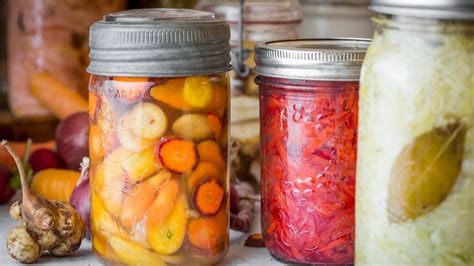
Fermentation is a transformative preservation method that not only extends shelf life but also creates unique flavors and beneficial probiotics. It involves using beneficial bacteria to convert sugars into lactic acid, which acts as a natural preservative. Sauerkraut, kimchi, and lacto-fermented pickles are popular examples.
This method is relatively simple, requiring just vegetables, salt, and water (for brines), along with a clean jar or crock. Fermented foods add a tangy, complex flavor to winter dishes and support gut health.
Root Cellaring and Cool Storage: Nature’s Refrigerator
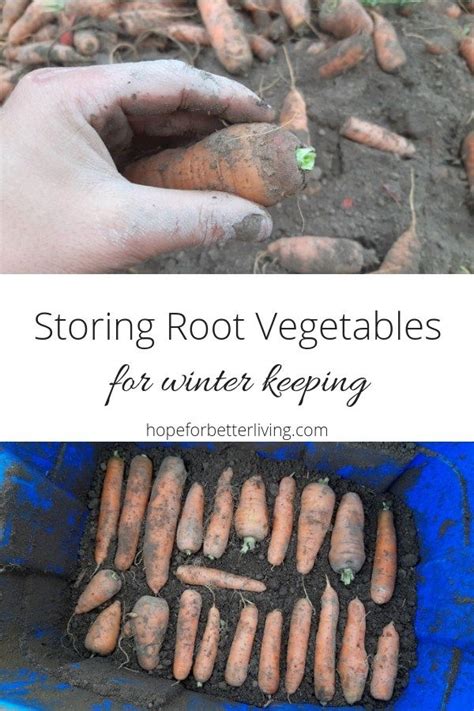
For certain root vegetables and hardy fruits, a cool, dark, and humid environment can act as a natural refrigerator, keeping them fresh for months without energy. A true root cellar is ideal, but a cool basement, unheated garage, or even a buried container can work.
Crops like potatoes, carrots, beets, parsnips, turnips, onions, garlic, and winter squash are excellent candidates for cool storage. Ensure they are clean, cured (if necessary), and stored in appropriate conditions — some need moisture, others air circulation — to prevent spoilage.

Enjoying Your Hard Work
Preserving your summer garden harvest is a deeply satisfying process that connects you more closely to your food source. Whether you choose to freeze, can, dry, ferment, or store, each method offers a unique way to savor the flavors of summer throughout the colder months. Experiment with different techniques to find what works best for your produce and your lifestyle, ensuring a pantry full of delicious, homegrown goodness ready to transform into comforting winter meals.