Easy ways to preserve summer garden tomatoes for winter meals?

Savoring Summer’s Bounty: Simple Ways to Preserve Tomatoes
The peak of summer brings an abundance of ripe, juicy tomatoes, bursting with flavor that store-bought varieties can rarely match. As the season wanes, the thought of those delicious garden tomatoes disappearing until next year can be disheartening. Thankfully, preserving these gems for winter meals is easier than you might think. With a few simple techniques, you can enjoy the taste of summer sunshine in your dishes all year long.
Freezing Tomatoes: The Easiest Option
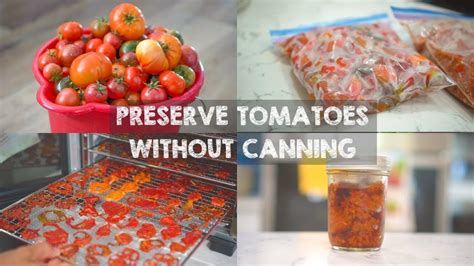
Freezing is arguably the simplest method for preserving tomatoes, requiring minimal effort and no special equipment beyond a freezer and some bags or containers. You can freeze tomatoes whole, halved, or as a purée.
- Whole or Halved: Wash and core your tomatoes. For easy peeling later, you can blanch them briefly in boiling water and then plunge into an ice bath, but it’s not strictly necessary if you plan to cook with them. Lay them in a single layer on a baking sheet to freeze solid, then transfer to freezer bags or containers. This prevents them from sticking together.
- Tomato Purée/Sauce: Cook down ripe tomatoes, blend them into a smooth purée, and then freeze in airtight containers or even ice cube trays for smaller portions. This is perfect for soups, stews, and pasta sauces.

Canning Tomatoes: A Classic Approach
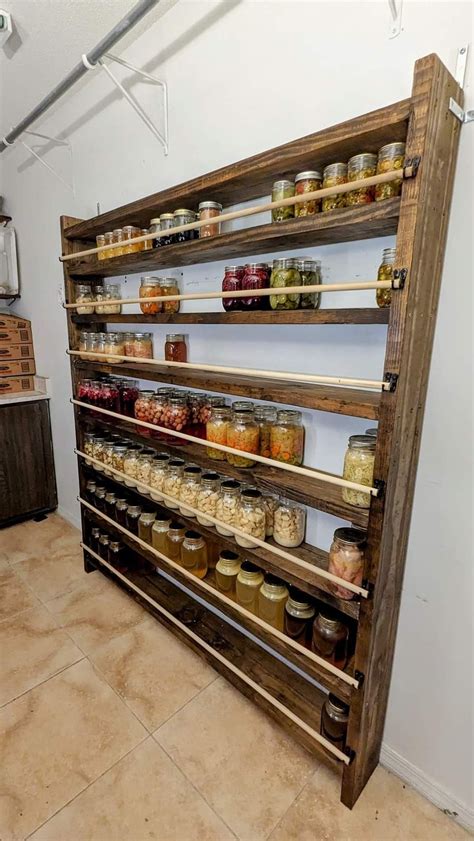
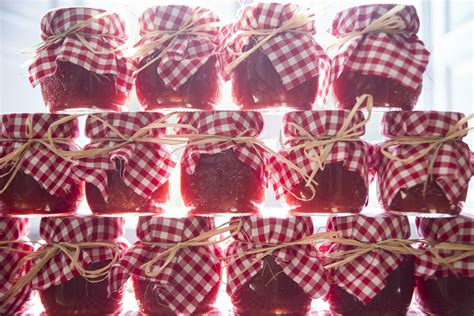
Canning allows you to store tomatoes at room temperature for extended periods, making them shelf-stable. While it requires a bit more equipment and attention to safety, the results are incredibly rewarding. You can can whole peeled, diced, crushed, or sauced tomatoes.
- Whole Peeled Tomatoes: Blanch, peel, and pack whole tomatoes into sterilized jars. Add a tablespoon of bottled lemon juice or 1/4 teaspoon of citric acid per pint to ensure adequate acidity for safe water bath canning. Fill with hot water or tomato juice.
- Diced or Crushed: These are versatile for recipes. Peel, chop, and cook tomatoes down slightly before jarring. Again, ensure proper acidification.
Always follow tested canning recipes and guidelines from reputable sources (like the USDA) to ensure food safety. A water bath canner is suitable for high-acid tomatoes, but low-acid recipes or tomato mixtures with other vegetables might require a pressure canner.

Drying Tomatoes: Concentrated Flavor
Drying tomatoes concentrates their rich flavor, turning them into intensely savory gems perfect for salads, pasta dishes, or as a snack. You can dry them in the sun, a food dehydrator, or even a low oven.
- Method: Slice tomatoes thinly or halve smaller varieties. Arrange them on drying racks or baking sheets. Dry until leathery but still pliable.
- Storage: Store dried tomatoes in airtight containers in a cool, dark place. For longer preservation and added flavor, you can pack them in olive oil (ensure they are fully submerged and stored in the refrigerator, as oil-packed items can pose botulism risks if not handled correctly).

Making Sauces, Pastes, and Ketchup
Transforming your fresh tomatoes into prepared sauces, pastes, or even ketchup is a fantastic way to preserve their essence in a ready-to-use form. These can then be frozen or canned.
- Tomato Sauce/Marinara: Cook down tomatoes with herbs and spices. Blend for a smooth sauce or leave chunky. This can be frozen in containers or canned using a water bath canner (if properly acidified).
- Tomato Paste: This requires a long, slow cook to reduce tomatoes significantly, creating a thick, concentrated paste. Store small portions in the freezer.
- Ketchup: A more involved process but yields a wonderfully fresh and natural condiment. Once made, it can be canned or stored in the refrigerator for a few weeks.
Tips for Successful Tomato Preservation
No matter which method you choose, a few general tips will help ensure your efforts are successful:
- Start with Quality: Use ripe, blemish-free tomatoes for the best flavor and safety.
- Cleanliness is Key: Always sterilize jars, lids, and equipment when canning. Wash hands thoroughly.
- Label and Date: Clearly label all preserved items with the contents and date of preservation.
- Follow Recipes: Especially for canning, stick to tested recipes to ensure safety and quality.
Don’t let your summer garden’s bounty go to waste. By employing one or more of these easy preservation methods, you can capture the peak flavor of your homegrown tomatoes and enjoy their vibrant taste in countless winter meals, bringing a ray of summer sunshine to even the coldest days.