Easy ways to preserve summer harvest without special canning equipment?
Summer brings an abundance of fresh produce, and while the thought of preserving it can seem daunting without a pressure canner or water bath setup, numerous simple methods allow you to enjoy your harvest year-round. Embrace traditional and modern techniques that require minimal equipment, transforming your garden’s bounty into delicious, long-lasting staples.
Freezing: Your Go-To for Freshness
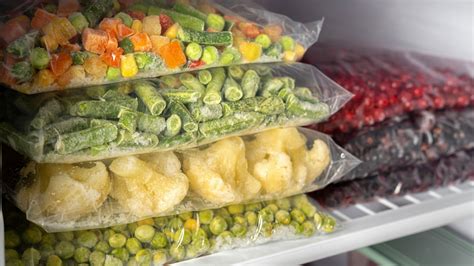
Freezing is arguably the easiest and most equipment-light preservation method. Most vegetables, like green beans, peas, corn, and broccoli, benefit from a quick blanching (a dip in boiling water followed by an ice bath) to retain color, flavor, and nutrients. This stops enzyme action that can degrade quality over time. Spread blanched veggies on a baking sheet to freeze individually before transferring to freezer bags to prevent clumping.
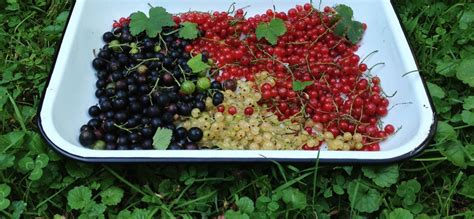
Fruits, such as berries, peaches, and cherries, can often be frozen raw, either whole or sliced. Flash freeze them on a tray first, then pack into airtight containers or freezer bags. Herbs, too, can be chopped and frozen in ice cube trays with a little water or olive oil, perfect for adding to winter stews and sauces.

The Ancient Art of Drying
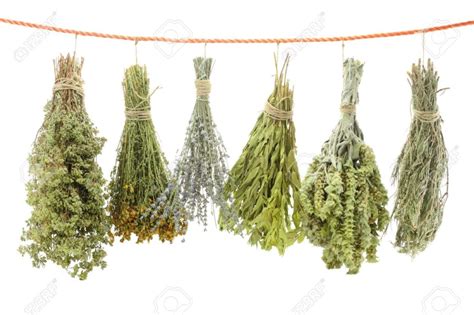
Drying is one of humanity’s oldest preservation techniques, removing moisture to inhibit spoilage. While dehydrators make the process quick and efficient, you can easily air-dry many items. Herbs like oregano, thyme, and rosemary can be tied in small bunches and hung upside down in a warm, dry, well-ventilated area away from direct sunlight.
Thinly sliced fruits such as apples, pears, and berries can be dried in a low oven (around 150-200°F or 65-95°C) with the door slightly ajar to allow moisture to escape, or even directly in the sun in very dry climates. Ensure everything is completely dry and brittle before storing in airtight containers to prevent mold.
Fermentation: A Flavorful Preservation Method
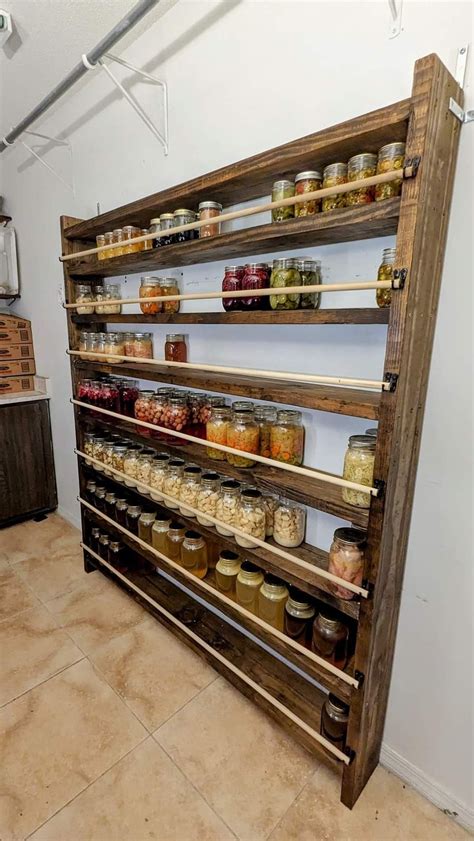
Fermentation not only preserves food but also enhances its flavor and adds beneficial probiotics. This process involves encouraging good bacteria to grow, which produces lactic acid that acts as a natural preservative. Sauerkraut from cabbage, kimchi from various vegetables, and lacto-fermented pickles are classic examples.
All you need are vegetables, salt, water, and a clean jar. The salt draws out water, creating a brine in which lactic acid bacteria thrive. Keep the vegetables submerged under the brine (often with a weight) and store at room temperature for a few days to a few weeks, depending on the recipe and desired tanginess. Once fermented to your liking, move them to the refrigerator for long-term storage.

Root Cellaring and Cool Storage
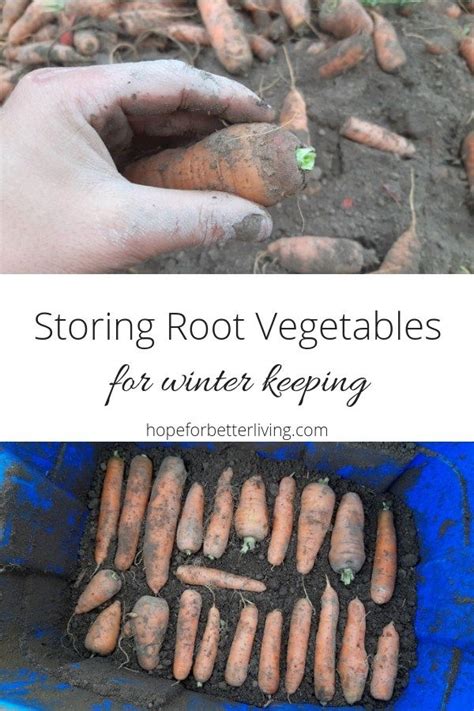
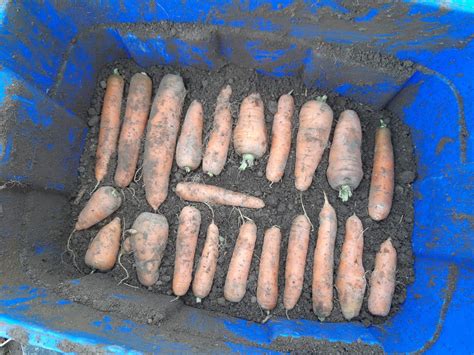
If you have a cool, dark, and moderately humid space—like a basement, unheated pantry, or even a well-insulated garage—you already have the makings of a “root cellar.” This method is ideal for root vegetables like potatoes, carrots, beets, and parsnips, as well as winter squash and apples.
Proper storage is key: store items in breathable containers like baskets or crates, ensuring good air circulation. For root vegetables, storing them in damp sand or sawdust can prevent shriveling. Apples release ethylene gas, which can spoil other produce, so store them separately. Regular checks are essential to remove any spoilage before it spreads.
Quick Pickling and Infused Vinegars
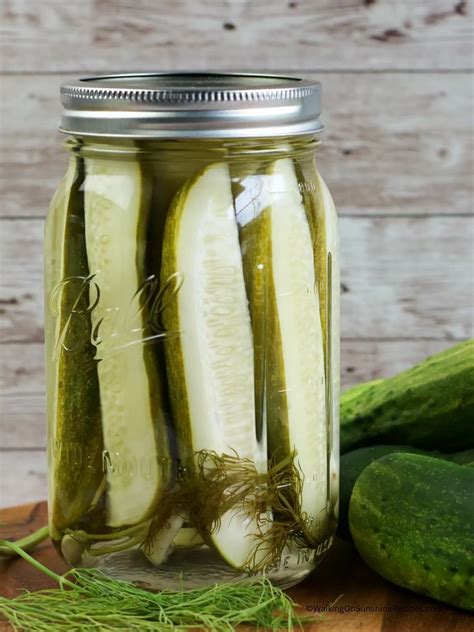
For a quicker preservation method that doesn’t require a hot water bath, consider quick pickling (also known as refrigerator pickles). These delicious treats are made by submerging fresh vegetables—cucumbers, onions, green beans, or even bell peppers—in a hot brine of vinegar, water, salt, sugar, and spices.
Once the jars cool, they are stored in the refrigerator, where they will last for several weeks to a couple of months. While not shelf-stable, they are incredibly easy to make and offer a burst of tangy flavor. Similarly, you can infuse vinegars with herbs, fruits, or spices. Simply add your desired aromatics to good quality vinegar and let it sit for a few weeks before straining, creating flavorful additions for dressings and marinades.
Preserving your summer harvest doesn’t have to be a complicated, equipment-intensive affair. By leveraging simple techniques like freezing, drying, fermenting, and cool storage, you can capture the peak flavors of your garden’s bounty and enjoy them long after summer fades. Experiment with these accessible methods, and you’ll soon have a pantry brimming with homemade goodness, truly embracing the spirit of country living.