




Easy ways to teach kids gardening and real food prep for family meals?
Cultivating Curiosity: Why Involve Kids in Gardening and Cooking?
In today’s fast-paced world, connecting children with the source of their food is more important than ever. Teaching kids gardening and involving them in meal preparation not only instills valuable life skills but also fosters a deeper appreciation for healthy eating, encourages picky eaters to try new things, and creates cherished family memories. It’s a hands-on education that benefits everyone.
Getting Started: The Joy of a Child’s Garden
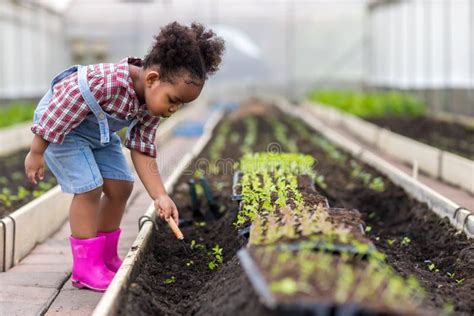
You don’t need a sprawling backyard to introduce kids to gardening. Start small and simple! Container gardens on a balcony, a raised bed, or even a few pots on a windowsill can yield exciting results. Choose easy-to-grow plants like cherry tomatoes, snap peas, radishes, lettuce, or herbs such as basil and mint. These offer quick gratification, keeping young gardeners engaged.
Assign age-appropriate tasks: toddlers can help water (with supervision!), preschoolers can plant large seeds and dig, while older children can measure rows, identify weeds, and plan their garden layout. Provide child-sized tools to make them feel like real gardeners. Observing the growth cycle firsthand teaches patience, basic botany, and the wonder of nature.
From Harvest to Table: Bringing Food Indoors
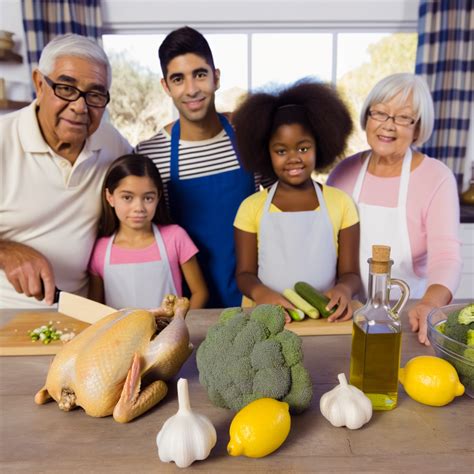
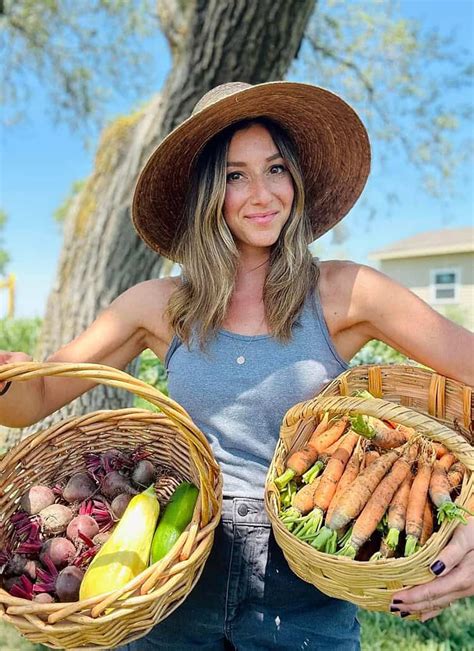
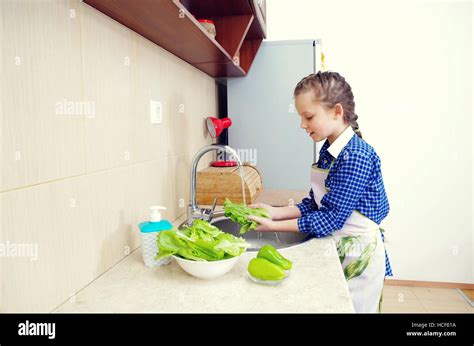
Once the garden yields its treasures, the kitchen becomes the next classroom. This transition is key to understanding the full food cycle. Involve kids in washing vegetables, snapping beans, or shelling peas. Even young children can tear lettuce for salads, stir ingredients in a bowl, or use a plastic knife to chop soft fruits and vegetables (under close supervision).
Choose simple recipes that highlight your garden’s bounty. A fresh tomato salad, homemade pesto from garden basil, or a stir-fry with freshly picked veggies are all excellent starting points. Encourage them to taste ingredients at each stage of preparation. This sensory exploration can be a game-changer for picky eaters.
Cooking Up Confidence: Simple Steps for Real Food Prep
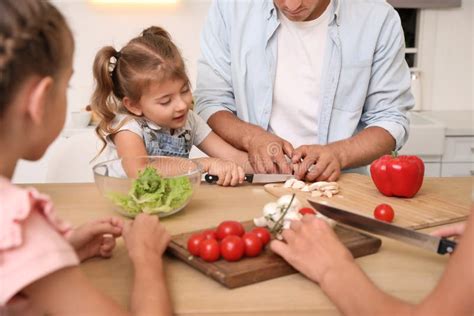
Empower your children with real cooking tasks. Start with basic skills like measuring dry and wet ingredients, stirring batters, or kneading dough. As they grow more confident, introduce safe knife skills with age-appropriate tools and guidance. Focus on dishes that don’t require too much precision, like simple fruit salads, baked potatoes with various toppings, or homemade pizzas where they can choose and arrange their own ingredients.
Turn meal prep into a fun, collaborative activity rather than a chore. Play music, tell stories, or turn it into a friendly competition (e.g., “who can slice this cucumber most evenly?”). The goal is to make them feel like active, valued contributors to the family meal, not just onlookers.
Beyond the Plate: Enjoying and Appreciating Meals
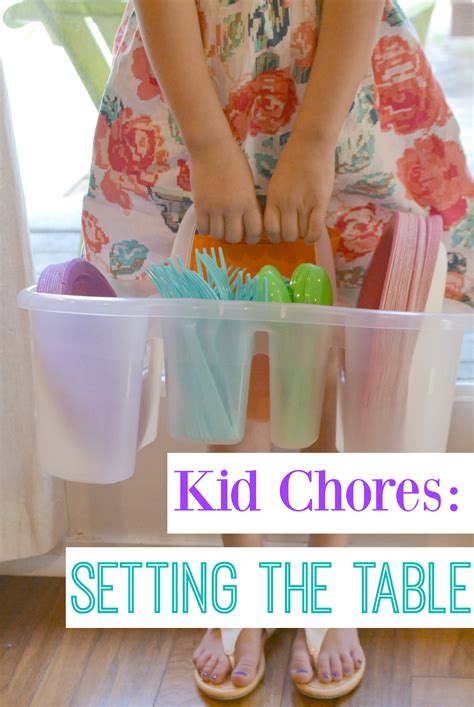
The learning doesn’t stop when the food is ready. Involve children in setting the table, serving the food they helped prepare, and even cleaning up afterward. During the meal, talk about the food: where it came from, how it grew, and how it tastes. Ask open-ended questions like, “What was your favorite part of making this dish?” or “What vegetable would you like to grow next?”
This holistic approach transforms eating from a mere necessity into a joyful experience. Kids who participate in the entire process are more likely to try new foods, understand the importance of a balanced diet, and develop a positive relationship with food that lasts a lifetime. It’s an investment in their health, well-being, and your family’s connection.