Effective, budget-friendly ways to improve garden soil fertility naturally?

A thriving garden begins beneath the surface, with fertile soil serving as the very foundation of healthy plant growth. For those embracing the country living lifestyle, improving soil fertility naturally and without breaking the bank is not just a preference, but often a necessity. Fortunately, nature offers an abundance of solutions that are both effective and budget-friendly, turning your garden into a vibrant ecosystem where plants flourish.
The Foundation: Understanding Soil
Before diving into specific methods, it’s crucial to understand that healthy soil is a living entity. It’s a complex mix of minerals, organic matter, water, air, and billions of microorganisms – bacteria, fungi, protozoa, and nematodes – all working in concert to break down organic material and make nutrients available to plants. Our goal is to nurture this microscopic world, rather than simply feeding the plants directly with synthetic fertilizers.
The Power of Composting
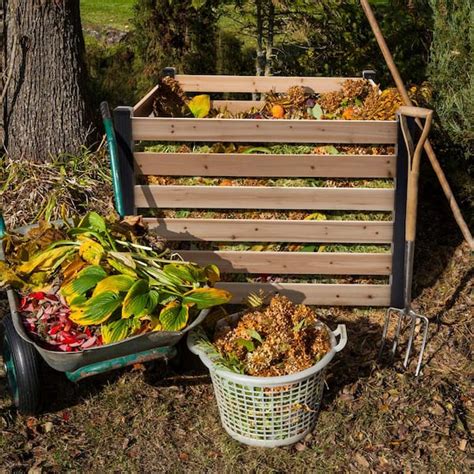
Composting is arguably the cornerstone of natural soil improvement. It’s the process of recycling organic matter—such as kitchen scraps, yard waste, leaves, and grass clippings—into a nutrient-rich soil amendment called compost. This “black gold” improves soil structure, increases water retention, and slowly releases essential nutrients, fostering a vibrant microbial population. Building a compost pile requires minimal investment, often just some repurposed pallets or a designated corner of your yard, turning waste into a valuable resource.
Embrace Cover Cropping
Cover crops, also known as “green manure,” are plants grown specifically to benefit the soil rather than for harvest. Sown in off-seasons or between main crops, they protect bare soil from erosion, suppress weeds, add organic matter when tilled under (or “chopped and dropped”), and some, like legumes (clover, vetch), even fix nitrogen from the atmosphere, enriching the soil naturally. Common choices include rye, oats, buckwheat, and various clovers, with seeds being a relatively inexpensive investment for long-term soil health.
The Magic of Mulch
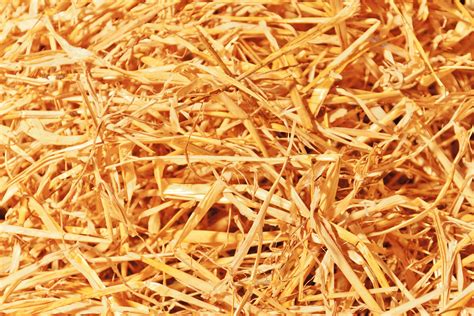
Mulching involves applying a layer of organic material over the soil surface. This simple practice offers a multitude of benefits: it conserves soil moisture by reducing evaporation, suppresses weed growth, regulates soil temperature, and, as the mulch slowly decomposes, it continuously feeds the soil with organic matter and nutrients. Excellent budget-friendly mulches include straw, shredded leaves, wood chips (from local arborists, often free), and grass clippings (ensure they’re free of herbicides). A good mulch layer also reduces the need for frequent watering and weeding.
Smart Nutrient Management: Crop Rotation and Manure
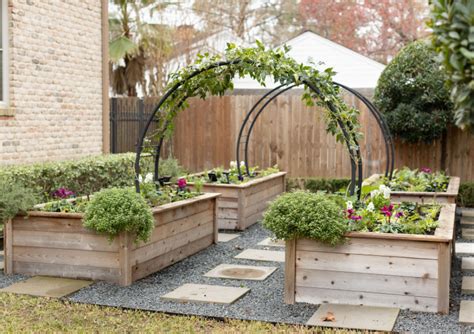
Implementing a crop rotation strategy is a time-honored way to manage soil nutrients and prevent pest and disease buildup. By rotating different families of plants (e.g., legumes, leafy greens, root vegetables, fruiting plants) through different beds each season, you help balance nutrient depletion and enrich the soil naturally. For an extra boost, well-rotted animal manure (from chickens, cows, horses, or goats) is an incredibly rich source of nutrients and organic matter. Always ensure manure is properly composted or aged to prevent burning plants and introducing weed seeds or pathogens.
Vermicomposting: Worms as Your Allies
For those with limited space or a desire for a more contained composting method, vermicomposting—using earthworms to break down organic material—is an excellent choice. Worm castings are an exceptionally potent and nutrient-dense soil amendment, rich in beneficial microbes. A simple worm bin can be made from stackable plastic containers, and the initial investment in red wiggler worms is quickly recouped by the incredible quality of the castings produced, offering a continuous supply of natural fertilizer.
Soil Testing: Knowledge is Power
Before embarking on any major soil improvement plan, a basic soil test can provide invaluable insights into your current soil’s pH, nutrient levels, and organic matter content. Many cooperative extensions offer affordable soil testing services, giving you a scientific baseline to work from. Knowing what your soil truly needs allows for targeted and efficient improvements, preventing unnecessary effort or amendments that might not be beneficial.

Improving garden soil fertility naturally doesn’t require expensive products or complicated machinery. It’s a process of working with nature, fostering a healthy soil ecosystem through consistent, budget-friendly practices. By embracing composting, cover cropping, mulching, smart rotations, and the power of worms, you can transform your garden into a self-sustaining powerhouse, yielding abundant harvests and contributing to the rich tapestry of country living.