Effective homemade remedy for squash bug infestation in country gardens?
Battling the Bane of the Squash Patch: A Natural Approach
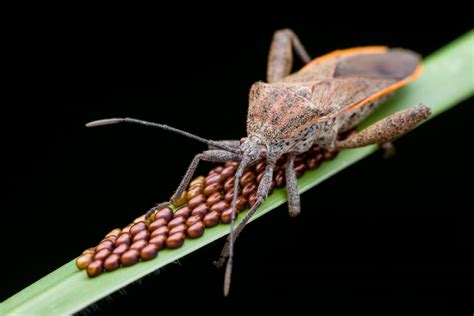
Squash bugs (Anasa tristis) are a persistent nuisance for any gardener, especially those cultivating squash, pumpkins, zucchini, and cucumbers in a country setting. These sap-sucking insects can quickly decimate plants, leaving gardeners frustrated. While chemical pesticides are an option, many country gardeners prefer organic and homemade solutions to protect their families, pets, and local ecosystems. The good news is, with a bit of vigilance and the right natural remedy, you can effectively manage these pests.
The most effective homemade strategy often combines several approaches, but a potent insecticidal soap spray forms the cornerstone of immediate relief. This method works by disrupting the insects’ cell membranes, leading to dehydration and death. It’s particularly effective against nymphs and adults, though diligent application is key.

The Power of Homemade Insecticidal Soap
Creating your own insecticidal soap is straightforward, uses common household ingredients, and is non-toxic to humans and beneficial insects when used correctly. The key is to use pure, additive-free soap, as detergents and soaps with degreasers can harm your plants.
Ingredients You’ll Need:
- 1 tablespoon pure liquid soap (e.g., castile soap, or plain dish soap free of bleach and degreasers)
- 1 quart (about 1 liter) warm water
- A spray bottle
Preparation and Application Steps:
- Mix Thoroughly: Combine the liquid soap with warm water in your spray bottle. Shake gently to mix, ensuring the soap fully dissolves.
- Test First: Before widespread application, test the solution on a small section of a leaf and wait 24 hours. Some plants can be sensitive to soap, especially in direct sunlight.
- Spray Directly: Target squash bugs and their nymphs directly. Ensure thorough coverage, especially on the undersides of leaves where they often hide and lay eggs. The soap must come into direct contact with the bugs to be effective.
- Timing is Key: Apply the spray in the early morning or late evening when temperatures are cooler and the sun is less intense. This reduces the risk of leaf burn and allows the solution more time to act before evaporating.
- Repeat as Necessary: Squash bugs lay eggs continuously, so regular application (every 3-5 days, or after rain) is crucial until the infestation is under control. Monitor your plants daily for new bugs or egg clusters.

Complementary Homemade Strategies
While insecticidal soap is excellent for immediate knockdown, a holistic approach will yield the best long-term results against squash bugs:
- Hand-Picking: For smaller infestations, hand-picking adult bugs and dropping them into a bucket of soapy water is highly effective. Do this in the early morning when bugs are sluggish.
- Egg Patrol: Squash bug eggs are typically bronze-colored and laid in clusters on the undersides of leaves. Scrape them off with duct tape or your fingernail and destroy them. This is perhaps the most critical step in breaking their life cycle.
- Diatomaceous Earth (DE): Food-grade DE can be dusted around the base of plants. It acts as a desiccant, scratching the exoskeletons of bugs as they crawl over it, leading to dehydration. Apply when plants are dry and reapply after rain.
- Trap Cropping: Plant highly attractive plants like Blue Hubbard squash a week or two before your main crop. Squash bugs will often congregate on these trap plants, allowing you to concentrate your pest control efforts there.

Preventative Measures for a Healthier Garden
Prevention is always better than cure. Incorporate these practices into your country garden routine to minimize future squash bug problems:
- Crop Rotation: Avoid planting cucurbits in the same spot year after year. This helps disrupt the life cycle of overwintering squash bugs.
- Garden Cleanliness: Remove garden debris, old vines, and weeds at the end of the growing season. This eliminates overwintering sites for adult squash bugs.
- Companion Planting: Certain plants can deter squash bugs. Consider planting nasturtiums, calendula, marigolds, or radishes near your squash plants.
- Row Covers: Use floating row covers to protect young plants until they begin to flower. Remove them during flowering to allow for pollination.
- Strong Plants: Healthy, well-nourished plants are more resilient to pest attacks. Ensure proper watering, fertilization, and soil health.

Embrace the Organic Approach
While squash bugs can be formidable foes, an effective homemade insecticidal soap spray, combined with diligent monitoring and preventative measures, offers a powerful, organic solution for country gardeners. It requires consistent effort, but the reward is a thriving, healthy harvest free from chemical residues. By understanding their habits and applying these natural remedies, you can keep your squash patches productive and beautiful, embodying the true spirit of country living.