
Effective, natural pest control for slugs ruining my organic vegetable garden?
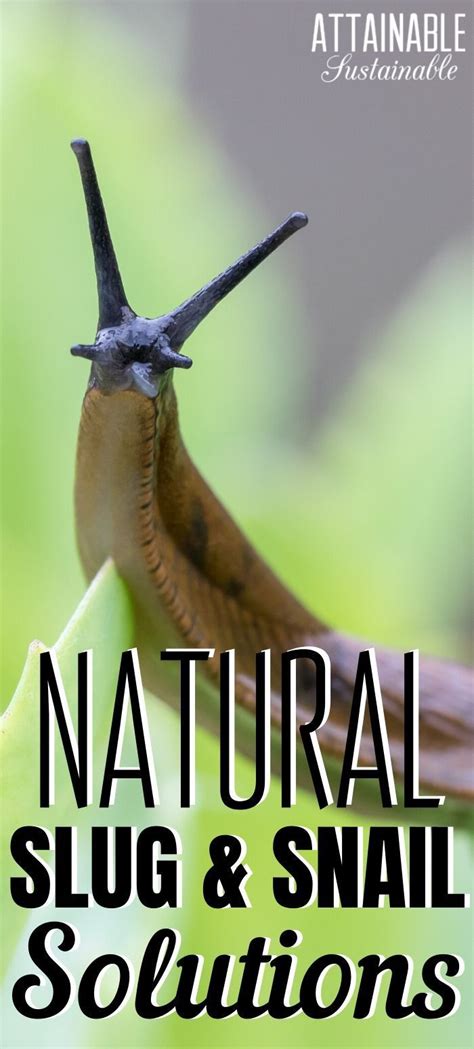
Tackling Slugs Organically: A Guide for Your Vegetable Garden
There’s little more disheartening for an organic gardener than waking up to find tender seedlings or prized leafy greens riddled with holes, a tell-tale sign of nocturnal slug activity. These slimy gastropods can decimate a garden overnight, but fear not! Protecting your precious produce doesn’t require harsh chemicals. With a combination of understanding, vigilance, and natural methods, you can effectively manage slug populations and ensure a bountiful harvest.
Understanding Your Slimy Opponent
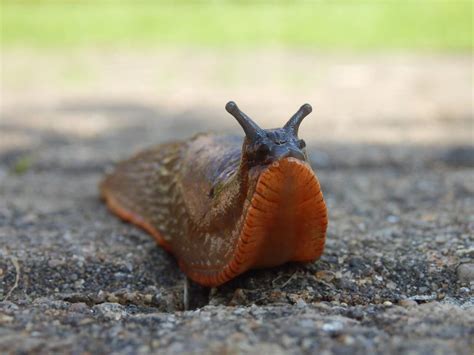
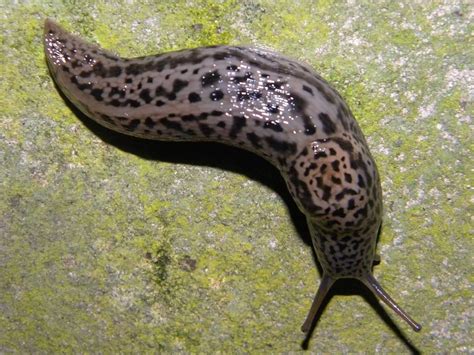
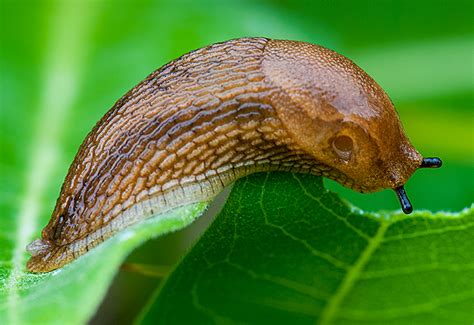
Slugs thrive in moist, cool conditions and are most active at night or during damp weather. They feed on a wide variety of plants, often preferring young, succulent foliage. Recognizing their habits is the first step in devising an effective control strategy. They hide during the day under rocks, mulch, pots, or dense plant cover, making these prime spots for inspection.
Prevention: The First Line of Defense
The best pest control is prevention. A healthy, well-maintained garden is less appealing to slugs. Start by:
- Garden Hygiene: Regularly remove fallen leaves, weeds, and other debris that provide slugs with shelter during the day. Keep pathways clear.
- Watering Wisely: Water in the morning, rather than the evening. This allows the soil surface to dry out by nightfall, making the environment less hospitable for slugs. Use drip irrigation if possible to keep foliage dry.
- Improve Drainage: Slugs dislike dry, well-drained soil. Amend heavy clay soils with compost and organic matter to improve aeration and drainage.
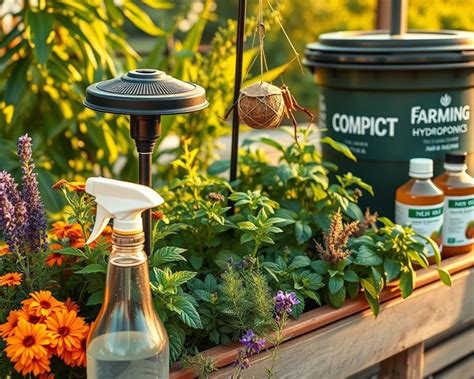
- Elevate: Plant in raised beds or containers, which inherently offer a drier, less accessible environment than ground-level beds.
Physical Barriers: Creating No-Go Zones
Once slugs are present, physical barriers can be highly effective in protecting individual plants or entire beds:
- Copper Tape: When slugs crawl over copper, it creates a mild electrical charge that deters them. Apply copper tape around the rims of raised beds, containers, or even individual plant pots.
- Diatomaceous Earth (DE): This finely powdered fossilized algae has sharp edges that scratch slugs’ soft bodies, causing them to dehydrate. Sprinkle a thin layer around vulnerable plants during dry weather. Reapply after rain.
- Crushed Eggshells, Gravel, or Sand: These rough materials create an uncomfortable surface for slugs to traverse. Create a ring around plants. Coffee grounds are also believed to deter them due to their texture and caffeine content.
- Wool Pellets: These create a fibrous, absorbent barrier that slugs dislike crossing.
Trapping and Hand-Picking: Direct Intervention
For more immediate control, consider these active methods:
- Beer Traps: Bury shallow dishes (like tuna cans) so their rims are level with the soil surface. Fill with beer (or a mixture of sugar, yeast, and water). Slugs are attracted to the yeast, fall in, and drown. Check and empty daily.
- Hiding Spot Traps: Place inverted grapefruit halves, melon rinds, or damp boards/tiles in the garden. Slugs will congregate underneath them during the day. In the morning, simply collect and remove them (or relocate far away from your garden).
- Hand-Picking: On damp evenings or early mornings, use a flashlight to collect slugs by hand. Drop them into a bucket of soapy water. This is most effective when done consistently.
Natural Predators: Let Nature Help
Encourage beneficial wildlife that prey on slugs:
- Birds: Thrushes, blackbirds, and other ground-feeding birds love slugs. Provide a bird bath and safe nesting sites to attract them.
- Frogs and Toads: Create a small pond or provide damp, shaded areas where these amphibians can live.
- Hedgehogs: If you’re in an area where hedgehogs are present, they are excellent slug hunters. Ensure they have access to your garden and safe hiding spots.
- Nematodes: Specific parasitic nematodes (Phasmarhabditis hermaphrodita) are available commercially as a biological control. They infect slugs, causing them to stop feeding and die. They are safe for plants, pets, and other wildlife.
Smart Planting Strategies
Some plants are less appealing to slugs, while others can be used as decoys:
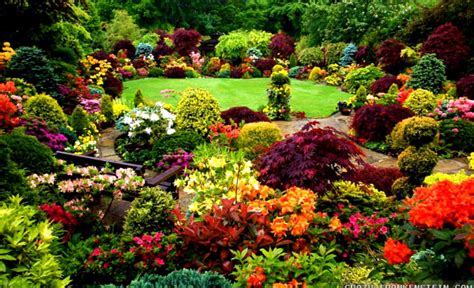
- Slug-Resistant Plants: Slugs generally dislike plants with strong odors, hairy leaves, or tough textures. Examples include lavender, rosemary, sage, nasturtiums, calendula, and many ferns.
- Sacrificial Plants: Plant a patch of known slug favorites, like marigolds or lettuce, away from your main vegetable crops. This can draw slugs to these “sacrificial” plants, making them easier to trap or hand-pick away from your more valued produce.
Conclusion: A Holistic Approach for a Healthy Garden
Successfully managing slugs in an organic vegetable garden requires a multi-faceted approach. No single method will be 100% effective, but by combining prevention, barriers, traps, and encouraging natural predators, you can significantly reduce slug damage. Be patient, observe your garden, and adapt your strategies as needed. With consistent effort, you’ll be able to enjoy your organic bounty, free from the ravages of these slimy garden invaders.